What Temperature Should My Neoregelia laevis Be Kept At?
Neoregelia laevis
By the Greg Editorial Team
Apr 14, 2024•4 min read
This article was created with the help of AI so we can cover more plants for you. May contain errors. See one? Report it here.
Discover the secret to a lush Neoregelia laevis 🌡️—keep it cozy in its ideal tropical range for vibrant health! 🌿
- Ideal range 60-80°F (15-27°C) for Neoregelia laevis' health and color.
- Avoid cold drafts, they can shock and stress the plant.
- Consistent temperature and humidity (40%-60%) are crucial for well-being.
Cranking Up the Heat: Ideal Temperature Range for Neoregelia laevis
🌡️ What's Hot and What's Not
Neoregelia laevis thrives in a temperature range of 60-80°F (15-27°C). This sweet spot is crucial for maintaining the plant's vibrant colors and overall health.
Exposing Neoregelia laevis to temperatures below this range can dampen its tropical spirit, leading to a less vivacious plant. Cold drafts are particularly nefarious, causing the plant to potentially enter a state of shock.
Keeping the Balance
To avoid temperature extremes, consistency is key. It's not just about hitting the right numbers; it's about maintaining them.
Here are some tips to keep your Neoregelia laevis in its comfort zone:
- Avoid drafts: Keep your plant away from open windows or doors.
- Steer clear of heat sources: Radiators and air vents can create a desert-like environment.
- Use curtains: They can shield your plant from intense direct sunlight, which might overheat it.
- Leverage thermostats: They're your best friend in regulating indoor climates.
Remember, your Neoregelia laevis isn't just surviving; it's sending signals through its leaves. Keep the temperatures stable, and your plant will thank you with its lush, tropical beauty.
When Your Plant Sweats: Recognizing Temperature Stress
🌡️ Tell-tale Signs of Discomfort
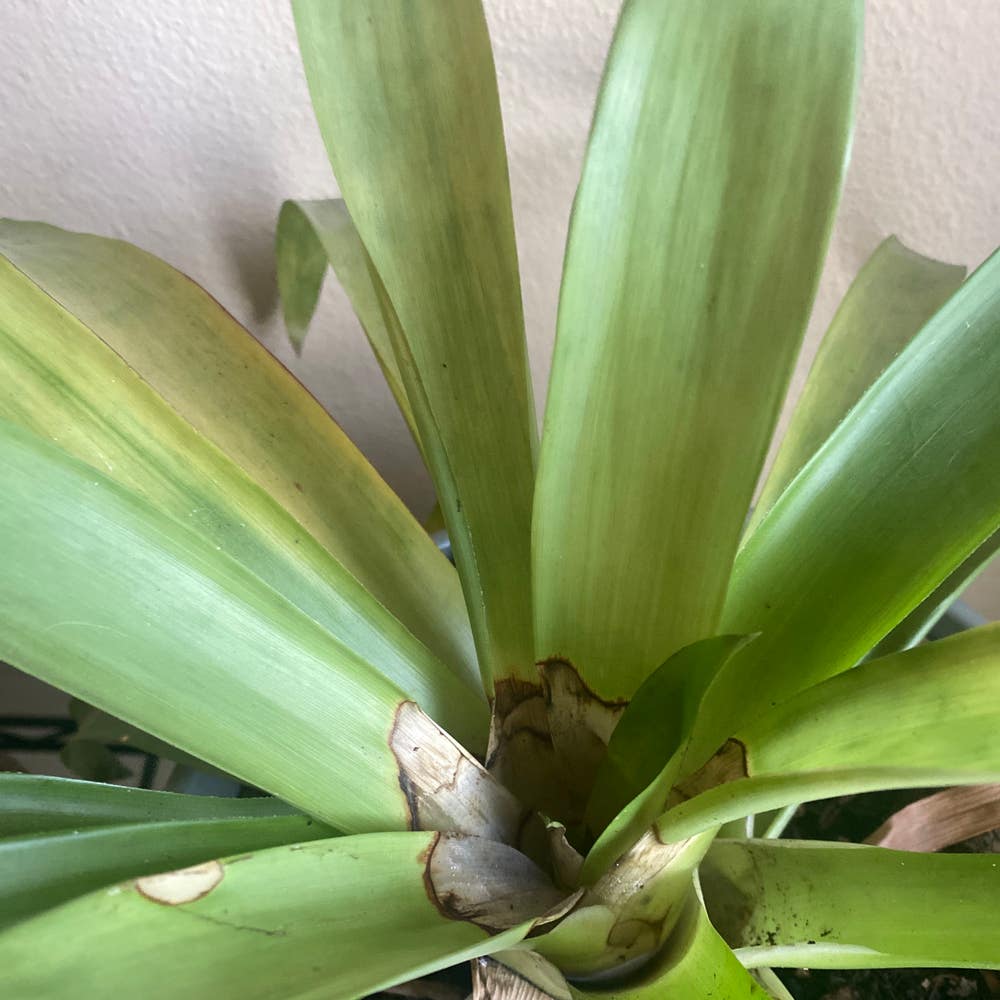
Neoregelia laevis communicates distress through its leaves. Yellowing may indicate overheating, while brown spots suggest cold damage. Wilting is the plant's way of saying the heat is too intense. If leaves begin to drop, it's a clear signal that your plant is in a state of emergency.
🚒 Quick Fixes to Turn Down the Heat
To combat temperature stress, relocate your Neoregelia laevis to a spot with stable temperatures away from direct heat sources or cold drafts. If overheating is the issue, provide shade or move to a cooler room. For cold stress, find a warmer location but avoid placing directly next to heaters. Quick action can help your plant recover from temperature-induced distress.
Dodging the Draft: Preventing Temperature Stress
🌬️ Common Culprits of Chills
Drafts are the sneaky villains in your Neoregelia laevis's life story. They slip in unnoticed, often through gaps in windows and doors, or from air conditioning vents, bringing unwanted chills that can stress your tropical plant.
Shielding your plant from these temperature fluctuations is crucial. Position it away from known draft sources, such as open windows or underused doorways. Consider weather stripping to seal off any sneaky gaps that allow cold air to invade your plant's warm haven.
🕺 The Thermostat Tango
Mastering temperature control is like learning a new dance. It's all about the right moves at the right time. Keep the thermostat set to a consistent, plant-friendly temperature, avoiding the temptation to swing between extremes.
Use a thermometer to monitor the ambient temperature around your Neoregelia laevis. This will help you catch any unexpected temperature drops or spikes and act quickly to correct them. Remember, consistency is key to keeping your plant from throwing a temperature tantrum.
A Touch of Humidity: The Sidekick to Temperature
💧 Humidity: The Unsung Hero
Humidity matters. For Neoregelia laevis, it's not just about basking in warmth; the air's moisture level is a silent partner in crime to temperature.
🎯 The Sweet Spot
Aim for a 40%-60% humidity range. It's the Goldilocks zone—not too muggy, not too arid.
🛠 Tools of the Trade
Get a hygrometer. It's your truth-teller, keeping you informed about the air your plant breathes.
💦 Moisture Management
Consider a humidifier or a pebble tray to up the ante on moisture. But remember, it's a touch, not a drench.
🌿 Group Therapy
Grouping plants together can create a microclimate, a little community where moisture is the currency.
🍃 Leafy Cleanliness
Keep leaves dust-free. It's not just about aesthetics; it's about letting your plant breathe and soak up that humidity.
🌊 The Ripple Effect
Monitor the ebbs and flows of your home's humidity. It's like being a detective, finding the perfect spot for your Neoregelia laevis to thrive.
🌍 Environmental Extras
Avoid misting overkill. Think of it as a refreshing spritz for your plant, not a full-on shower.
⚠️ Safety First
This content is for general information and may contain errors, omissions, or outdated details. It is not medical, veterinary advice, or an endorsement of therapeutic claims.
Always consult a qualified healthcare professional before using any plant as food, medicine, or supplement.
Never eat any plant (or feed one to pets) without confirming its identity with at least two trusted sources.
If you suspect poisoning, call Poison Control (800) 222-1222, the Pet Poison Helpline (800) 213-6680, or your local emergency service immediately.
Spotted an error? Please report it here.
Keep your Neoregelia laevis in its comfort zone 🌡️ with Greg's reminders for temperature and humidity adjustments, ensuring it always has the perfect climate to thrive.