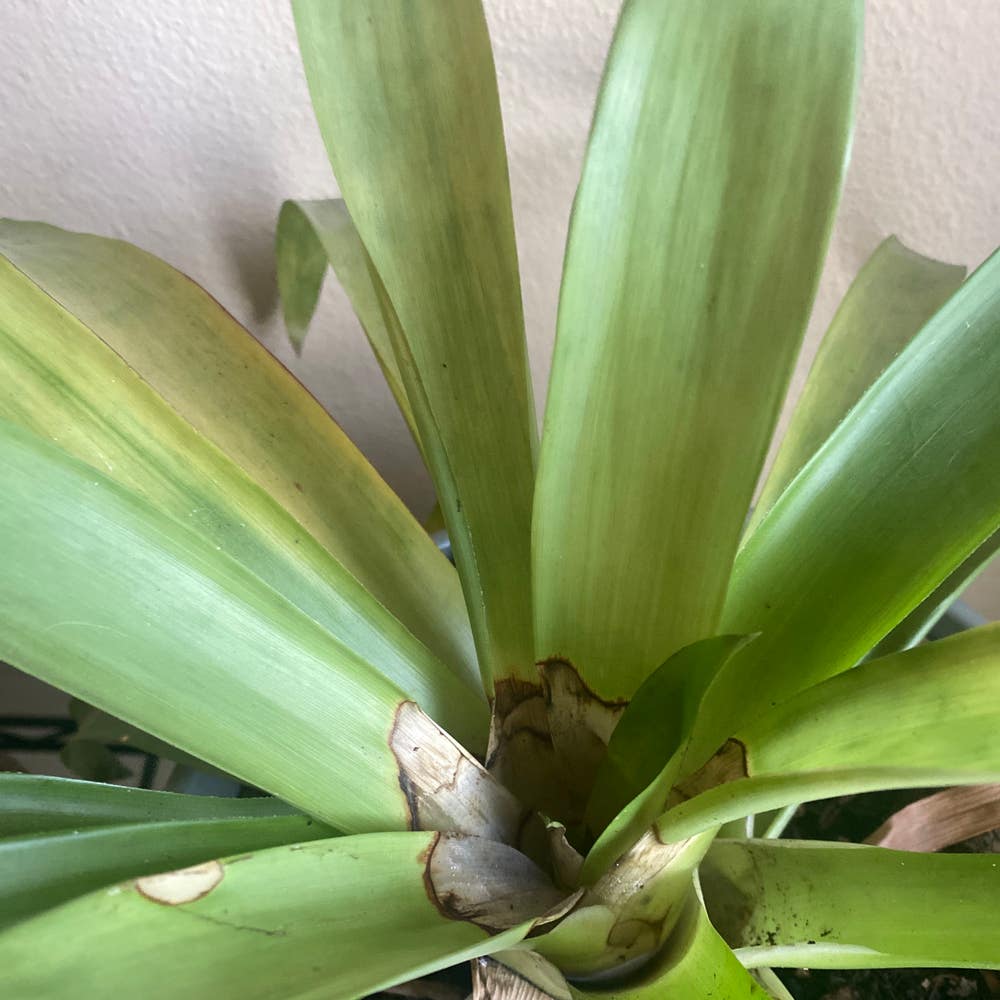
How Should Neoregelia laevis Be Cut Back?
Neoregelia laevis
By the Greg Editorial Team
Apr 14, 2024•2 min read
This article was created with the help of AI so we can cover more plants for you. May contain errors. See one? Report it here.
Revitalize your Neoregelia laevis with timely pruning for a lush, vibrant display 🌿✂️!
- Post-flowering pruning aligns with Neoregelia laevis's natural rest period.
- 🌱 Spring/early summer is ideal for pruning, promoting recovery.
- ✂️ Sterilize tools before/after use to prevent disease spread.
Best Time to Get Snippy
🌸 Spotting the Right Moment
Post-flowering is the ideal time to prune Neoregelia laevis. Look for faded blooms and a general slowdown in the plant's activity. This is when you should grab your shears and get to work.
🌱 Seasonal Considerations
Spring or early summer are the best seasons to prune, aligning with the plant's natural growth cycle. Pruning during dormancy or the peak of summer can stress the plant, potentially stunting its development.
Gear Up: Choosing Your Tools
🔪 The Right Cutters for the Job
Selecting pruning tools for Neoregelia laevis is like choosing a surgeon's scalpel—precision is paramount. Go for sharp pruning shears or scissors that feel like a natural extension of your hand. Dull tools are the enemy; they mangle more than they manage.
🧼 Keeping It Clean
Sterilizing your tools isn't just a suggestion; it's a cardinal rule. Wipe them down with rubbing alcohol or a bleach solution before and after use. It's basic hygiene, like washing your hands, to prevent turning your plant into a petri dish for pathogens. Remember, a clean cut is a happy cut.
Making the Cut: Pruning Techniques
✂️ Trimming the Rosette
To maintain a symmetrical rosette, remove spent leaves from the base of your Neoregelia laevis. Snip leaves that are dead or dying, aiming for a circular shape. Use sharp, sterilized cutters to avoid crushing the plant tissue.
🐶 Handling the Pups
When pups form their own rosettes and roots, it's time to separate them. Gently cut the connecting stolon close to the mother plant to encourage independence. Ensure each pup has a portion of roots to thrive on its own.
After the Snip: Immediate Post-Pruning Care
🌱 Healing and Recovery
After pruning Neoregelia laevis, it's crunch time for recovery. Water the plant just enough to keep the soil slightly moist, but don't drown it in your enthusiasm. Bright, indirect light will be your plant's best pal, helping it heal without the harsh sunburn.
🌿 Watching for Growth
Keep an eye out for new growth; it's like a high-five from your plant saying, "Good job!" Yellow leaves or a growth stunt? That's your cue to reassess your care strategy. Patience is key—don't expect an overnight miracle, but do look for those subtle signs of a comeback.
⚠️ Safety First
This content is for general information and may contain errors, omissions, or outdated details. It is not medical, veterinary advice, or an endorsement of therapeutic claims.
Always consult a qualified healthcare professional before using any plant as food, medicine, or supplement.
Never eat any plant (or feed one to pets) without confirming its identity with at least two trusted sources.
If you suspect poisoning, call Poison Control (800) 222-1222, the Pet Poison Helpline (800) 213-6680, or your local emergency service immediately.
Spotted an error? Please report it here.
Prune your Neoregelia laevis to perfection and watch it flourish with Greg's tailored care reminders and expert community advice, making plant recovery post-trim a breeze. 🌿