🌞 My Neoregelia laevis's Sunlight Needs
Neoregelia laevis
By the Greg Editorial Team
Apr 14, 2024•3 min read
This article was created with the help of AI so we can cover more plants for you. May contain errors. See one? Report it here.
Nurture your Neoregelia laevis to vibrant health and stunning blooms with the perfect light recipe 🌞🌼.
- Morning sun, afternoon shade prevents Neoregelia laevis sunburn.
- East or west-facing windows ideal for indoor light; rotate for even growth.
- 12-14 hours of light daily; full-spectrum LEDs trigger flowering.
Basking in the Right Glow: Outdoor Light Love
🌞 Finding the Sweet Spot
Identifying the perfect outdoor location for your Neoregelia laevis is about striking a balance. Seek out a spot that basks in the morning sun yet retreats into the cool embrace of afternoon shade. This ensures your bromeliad gets its light quota without the risk of a sunburn.
🕶 When the Sun Beats Down
Midday sun can be a tyrant to Neoregelia laevis. Strategies for protection include leveraging the natural sunscreen of tree canopies or using shade cloths. Think of it as giving your plant a pair of sunglasses for those especially bright days.
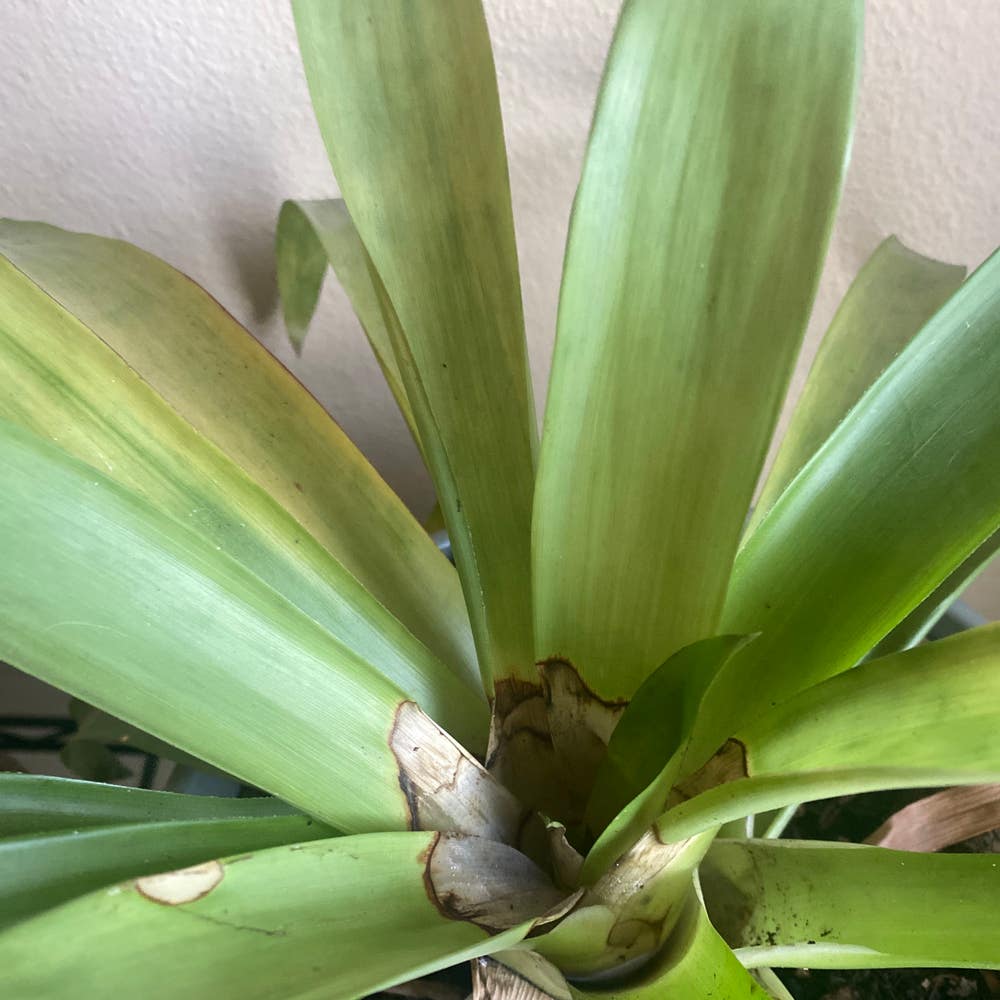
🚩 Signs of Sunburn
Neoregelia laevis isn't shy about showing distress. Look for leaves that seem bleached or crispy—clear signs of sunburn. If you spot these, it's time to shuffle your plant to a shadier locale. Remember, it's not just about survival; it's about helping your bromeliad thrive.
Indoor Light Mastery: Keeping Neoregelia laevis Happy at Home
🌅 Window Wisdom
East or west-facing windows are the jackpot for your Neoregelia laevis, serving up that bright, indirect light it craves. South-facing windows might be too intense, so if that's all you've got, think of sheer curtains as your plant's sunglasses. Rotate your bromeliad occasionally to avoid lopsided growth—like giving it a well-rounded education in sunlight.
💡 The Lowdown on Grow Lights
When your windows just aren't cutting it, grow lights are the secret weapon. Full spectrum LEDs are the gold standard, mimicking the sun's range without running up your energy bill. Position them 10-20 cm above your plant, like a cozy hat of light. Remember, it's not just about flipping a switch; it's about crafting a sunbeam symphony for your green buddy.
🌞 Light Intensity and Duration
It's all about balance. Too little light, and your Neoregelia laevis will throw a fit; too much, and it's sunburn city. Aim for a sweet spot of 12-14 hours of light per day. Think of it as a light diet—consistent, measured, and tailored to your plant's needs. Watch for changes in leaf color; they're like mood rings indicating your plant's light satisfaction.
Ensuring a Blooming Success: Light's Role in Flowering
💡 Triggering the Bloom
Light quality and quantity are critical for coaxing Neoregelia laevis into its flowering stage. Full-spectrum grow lights can be a game-changer, especially when sunlight is playing hard to get. These lights offer the wavelengths necessary for the plant to transition from just being a pretty cluster of leaves to putting on a floral show.
💡 Adjusting Light for Flower Power
To nudge your Neoregelia laevis into blooming, you might need to tweak the light conditions. Red wavelengths are particularly influential, acting as a potential trigger for flowering. It's not just about flipping a switch; it's about simulating the nuanced light environment these plants would experience in the wild. Rotate your plant to ensure even light exposure, and if you're using grow lights, set timers to replicate natural day and night cycles. This provides the rhythmic light cues that plants inherently follow. Keep an eye out for new growth or a flower spike—these are signs you've hit the lighting jackpot.
⚠️ Safety First
This content is for general information and may contain errors, omissions, or outdated details. It is not medical, veterinary advice, or an endorsement of therapeutic claims.
Always consult a qualified healthcare professional before using any plant as food, medicine, or supplement.
Never eat any plant (or feed one to pets) without confirming its identity with at least two trusted sources.
If you suspect poisoning, call Poison Control (800) 222-1222, the Pet Poison Helpline (800) 213-6680, or your local emergency service immediately.
Spotted an error? Please report it here.
Ensure your Neoregelia laevis thrives 🌿 with Greg's tailored advice on sunlight balance, helping you avoid sunburn and master the art of perfect plant placement.