🌞 Is My Neoregelia laevis Getting Too Much Direct Sunlight?
Neoregelia laevis
By the Greg Editorial Team
Apr 14, 2024•3 min read
This article was created with the help of AI so we can cover more plants for you. May contain errors. See one? Report it here.
Shield your Neoregelia laevis 🌿 from harsh rays and find its happy sunlight spot for a vibrant, healthy glow. ✨
- Sunburn signs: Discolored, crispy leaves mean too much direct sun.
- Bright, indirect light is ideal; use east/west-facing windows or sheer curtains.
- Adjust with seasons; rotate plant, use window treatments for optimal sunlight.
Spotting the Signs: Is Your Neoregelia laevis Sunburned?
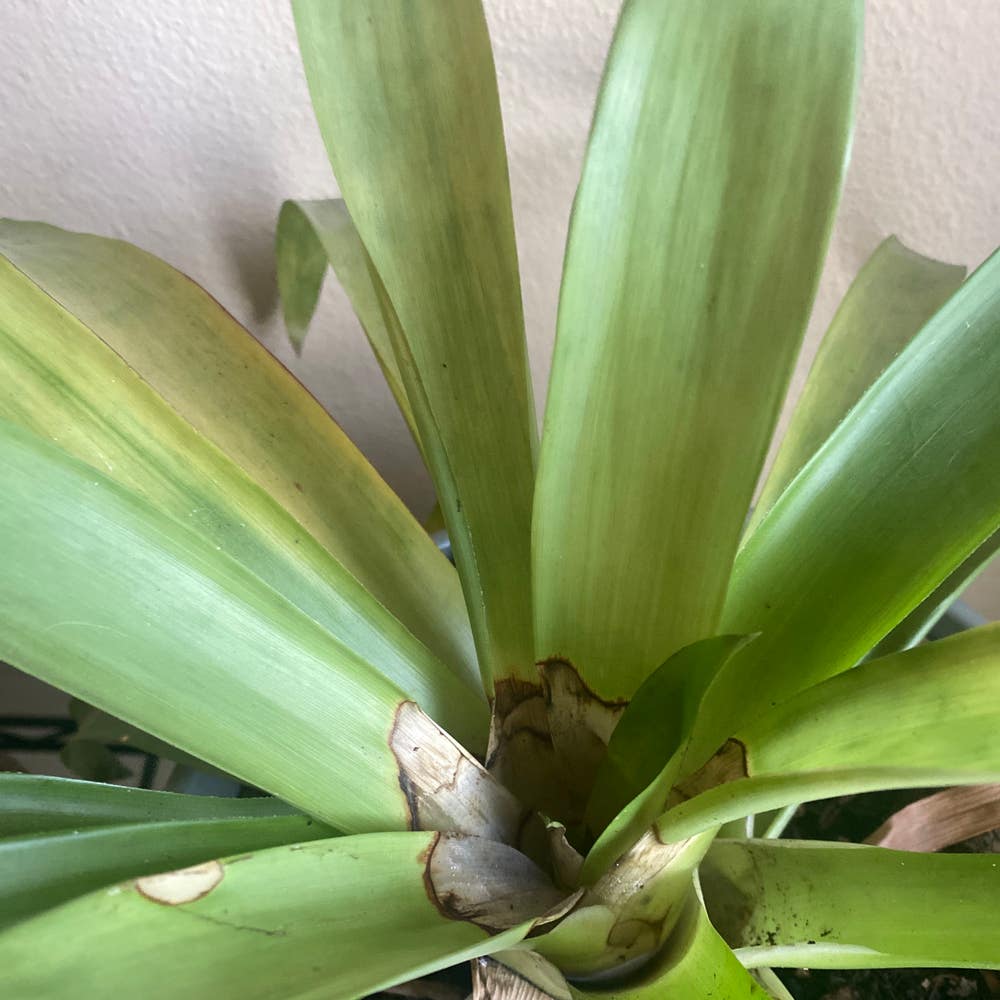
Identifying symptoms of too much direct sunlight on Neoregelia laevis is crucial to prevent long-term damage. Look for leaves that have discolored patches, ranging from pale to crispy brown, which indicate that your plant might be getting more light than it can handle.
🌞 When Sunlight Kisses Too Hard
Leaf burn on Neoregelia laevis manifests as dry, brownish spots or bleached areas, particularly on the parts of the plant that are most exposed to the sun. If you spot these signs, it's time to relocate your plant to a shadier spot immediately. Regularly rotating the plant can also prevent certain areas from getting overexposed.
Direct vs. Indirect Sunlight: A Kid-Friendly Explanation
Imagine the sun is a spotlight in a theater. Direct sunlight is when you're standing in the center of the stage, fully lit up with no shade. That's like placing your Neoregelia laevis in the path of the sun's rays without anything blocking it. Now, indirect sunlight is more like sitting in the audience where the light is still there, but it's not shining directly on you. It's softer and doesn't make you squint or sweat.
⭐️ The Sweet Spot for Neoregelia laevis
The ideal lighting for Neoregelia laevis is bright but not direct. It's like a gentle wash of sunlight that keeps the leaves vibrant without scorching them. Here's how to hit the sweet spot:
- East or west-facing windows are your best bet. They offer soft morning or afternoon light without the intense midday sun.
- Rotate your plant occasionally to ensure all sides get even light, preventing lopsided growth.
- If your space lacks natural light, consider a grow light. It's like giving your plant a personal sun that never sets.
- Sheer curtains can be a game-changer. They diffuse the light, softening the sun's rays before they reach your plant's leaves.
- Keep an eye on your Neoregelia laevis. If the leaves start to fade or look crispy, it's time to move it away from the sun's direct hit.
Windows and Hemispheres: Navigating the Sun's Path for Your Plant
Your Neoregelia laevis doesn't need a compass to thrive, but you might. The direction your windows face is crucial for providing the right amount of light. In the Northern Hemisphere, south-facing windows are like a sun buffet, offering a full spread of light all day. Flip that if you're in the Southern Hemisphere—north-facing windows are your plant's best bet for maximum sun exposure.
🌞 Making Adjustments Throughout the Year
Seasons change and so should your plant's spot in your home. When winter's weak sunlight feels like a distant memory, move your Neoregelia laevis closer to the window. Come summer, when the sun is in full-on party mode, it's time to pull back or your plant might get a sunburn. Window treatments are your best friends here; they're like sunglasses for your plant, cutting down the harshness of direct rays without leaving your green buddy in the dark.
Protecting Neoregelia laevis from Too Much Sun
Shielding your Neoregelia laevis from the sun's intensity is crucial. Sheer curtains are the MVP, transforming that fierce glare into a gentle luminescence.
🌞 When Direct Sunlight Can Be Beneficial
Morning or late afternoon sun can be a boon for your Neoregelia laevis, fostering flowering without the burn. It's all about timing and balance.
⚠️ Safety First
This content is for general information and may contain errors, omissions, or outdated details. It is not medical, veterinary advice, or an endorsement of therapeutic claims.
Always consult a qualified healthcare professional before using any plant as food, medicine, or supplement.
Never eat any plant (or feed one to pets) without confirming its identity with at least two trusted sources.
If you suspect poisoning, call Poison Control (800) 222-1222, the Pet Poison Helpline (800) 213-6680, or your local emergency service immediately.
Spotted an error? Please report it here.
Avoid crispy leaves and ensure your Neoregelia laevis flourishes by using Greg's PlantVision to measure the perfect spot's brightness 🌤 for that gentle luminescence it loves.