Soil Recommendations for Neoregelia laevis
Neoregelia laevis
By the Greg Editorial Team
Apr 14, 2024•5 min read
This article was created with the help of AI so we can cover more plants for you. May contain errors. See one? Report it here.
Discover the secret to lush Neoregelia laevis 🌿 with our tailored soil mix guide for peak plant health!
- Mold and waterlogging signal soil issues for Neoregelia laevis.
- Ideal soil mix: bark, perlite, peat moss for balance.
- Choose commercial soil wisely, modify for better aeration.
Spotting Trouble: When Soil Goes Bad
🚨 Signs Your Neoregelia laevis is Unhappy with Its Soil
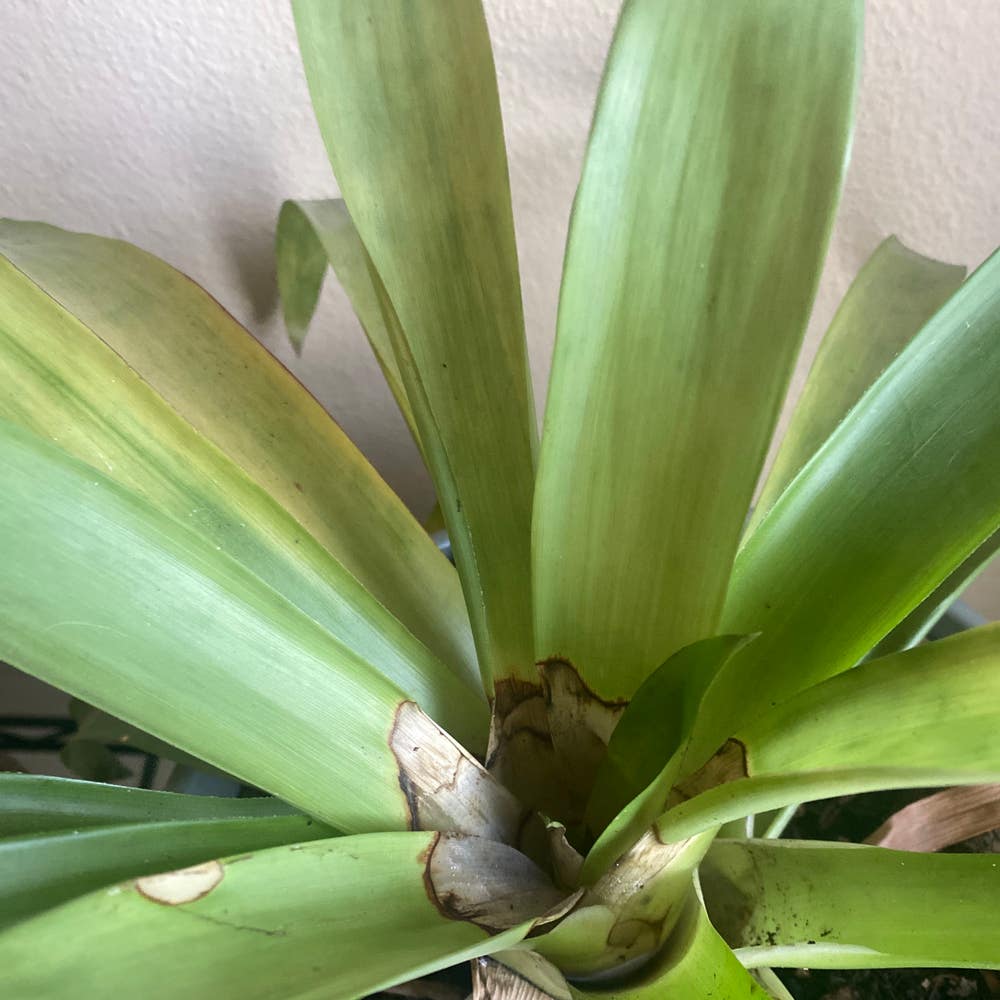
Mold is not a decoration. If you spot a fuzzy intruder or catch a whiff of eau de decay, your Neoregelia laevis is waving a white flag. Soggy soil is a silent killer; it should never mimic a wet sponge. Yellow leaves or brown spots? That's your plant's version of an SOS.
Turning Things Around for Your Plant
🚫 Banishing Mold: Steps to Take Back Control
Got mold? Stop watering and let the soil dry. Scrape off the moldy top layer like it's a bad haircut. If it's persistent, consider a fungicide - think of it as plant medicine. But really, the best offense is a good defense: prevent mold by not overwatering in the first place.
🛠️ Fixing Waterlogged Soil: Aeration and Drainage Tactics
Waterlogged soil needs a lifeline. Reduce watering and let the soil breathe. Aeration is key; think of it as giving your plant's roots room to stretch. Improve drainage by adding perlite or coarse sand. If your pot's as watertight as a submarine, get one with drainage holes. Remember, your plant's not a fish - it doesn't need a swimming pool.
Crafting the Perfect Soil Mix
🌱 The Building Blocks of Neoregelia laevis' Dream Soil
Bark, perlite, and peat moss are the holy trinity for Neoregelia laevis soil. These components offer the ideal balance of aeration and moisture retention, crucial for the plant's health. Bark provides structure and encourages airflow, while perlite enhances drainage, preventing root rot. Peat moss retains just enough moisture to keep the roots hydrated without becoming waterlogged.
🎸 Mixing It Up: Creating Your Own Neoregelia laevis Soil
Creating your own soil mix is like being a backstage tech for a rock show—every detail matters for a stellar performance. Here's how to mix it:
- Start with a base of all-purpose potting soil for structure and nutrients.
- Add perlite to keep the mix light and ensure good drainage.
- Mix in peat moss for moisture control and to maintain a slightly acidic pH.
- Incorporate bark for added aeration and to mimic the plant's natural environment.
Before potting, sterilize your mix to protect against pests and diseases. Bake the soil in an oven at 200°F for 30 minutes or use a microwave for 90 seconds per kilogram. This step is like a soundcheck before a concert—it ensures everything is set for a flawless performance.
The Store-Bought Shortcut: Choosing Commercial Soil
🕵️ What to Look for on the Label
When hunting for commercial soil for your Neoregelia laevis, think detective, not shopper. Organic matter is your first clue; peat moss or coco coir should top the list, serving up nutrients and moisture control. Inorganic materials like perlite or pumice are your partners in crime against waterlogging, ensuring that breathability your plant's roots crave.
Avoid soil mixes that read like a chemical novel. Your plant's roots are looking for a healthy meal, not a science experiment. A lighter bag usually means better aeration, which is a thumbs-up for your Neoregelia laevis. And remember, resealable bags are more than just convenient; they keep your mix fresh for the next potting adventure.
🍹 Modifying Commercial Mixes for Neoregelia laevis
Sometimes, even the best commercial mixes need a personal touch. If your Neoregelia laevis could talk, it'd ask for a mix that's just right. Start with a good commercial blend as your base. Then, play mixologist by adding a bit more perlite or bark to amp up the drainage.
Sterilize any added components to dodge unwanted pests and diseases. It's like giving your plant's home a security system. And don't forget to check the mix's pH level; Neoregelia laevis loves a slightly acidic to neutral pH. With these tweaks, your store-bought soil will feel like it was tailor-made for your green buddy.
Long-Term Soil Health for Neoregelia laevis
💼 Routine Checks and Maintenance
Monitoring soil health is like a regular health check-up for your Neoregelia laevis. You wouldn't skip a physical, so don't neglect your plant's foundation. Feel the soil weekly; if it's too dry or too soggy, take note. A moisture meter isn't overkill—it's a precise tool to prevent guesswork.
Refreshing the soil is not just busywork; it's critical for continued plant vigor. When growth seems sluggish or the soil appears compacted, it's time for action. Mix in fresh ingredients like perlite and peat moss to rejuvenate your plant's environment. Aim to do this every two to three years for best results.
🌱 The Role of Fertilizers in Soil Quality
Choosing the right fertilizer is like picking the perfect seasoning—it can make or break the dish. For Neoregelia laevis, use a balanced, water-soluble fertilizer. But remember, moderation is key; overfeeding can be just as harmful as neglect.
Fertilizing frequency depends on factors like growth phase and season. During active growth, fertilize every month; dial it back in the dormant season. Always water thoroughly post-fertilization to distribute nutrients evenly. Keep a log of your fertilization schedule—it's not just for the detail-oriented; it's a roadmap to a thriving plant.
⚠️ Safety First
This content is for general information and may contain errors, omissions, or outdated details. It is not medical, veterinary advice, or an endorsement of therapeutic claims.
Always consult a qualified healthcare professional before using any plant as food, medicine, or supplement.
Never eat any plant (or feed one to pets) without confirming its identity with at least two trusted sources.
If you suspect poisoning, call Poison Control (800) 222-1222, the Pet Poison Helpline (800) 213-6680, or your local emergency service immediately.
Spotted an error? Please report it here.
With Greg, you can effortlessly perfect 🌱 your Neoregelia laevis' soil by monitoring moisture and receiving personalized amendment advice for lush growth.