Am I Starving My Neoregelia laevis? Fertilizing 101
Neoregelia laevis
By the Greg Editorial Team
Apr 14, 2024•4 min read
This article was created with the help of AI so we can cover more plants for you. May contain errors. See one? Report it here.
Thrive not just survive 🌿—unlock the secrets to perfect Neoregelia laevis fertilization with our expert guide!
- Fertilize during spring/summer growth, hold back in cooler dormancy months.
- Use diluted, gentle fertilizers to meet Neoregelia laevis' specific nutrient needs.
- Monitor and adjust based on plant's response to prevent over-fertilization.
Timing is Everything: When to Fertilize
🌱 Active Growth Season: Catching the Right Wave
Identifying growth spurts for Neoregelia laevis is akin to catching a wave; timing is crucial. These periods typically occur during spring and summer, when the plant is most receptive to nutrients.
Fertilize monthly during these active phases to support vigorous growth. This aligns with the plant's natural cycle, ensuring it gets the right boost at the right time.
❄️ The Dormancy Dilemma: When to Hold Back
Understanding dormancy in Neoregelia laevis is essential; it's their time to rest. As the days shorten and temperatures drop, the plant's growth slows down.
Hold back on fertilizing during the cooler months. Overfeeding can lead to a nutrient overdose, which is as counterproductive as offering a five-course meal to someone who's already asleep.
Choosing Your Fertilizer Wisely
💡 The Nutrient Trio: N-P-K and Beyond
Neoregelia laevis has specific cravings when it comes to nutrients. Nitrogen (N) is essential for vibrant foliage, but too much can lead to all leaves, no color. Phosphorus (P) encourages those stunning blooms, while potassium (K) keeps the plant's functions humming. It's a delicate balance, with a 1:1:1 or 1:1.5:2 N-P-K ratio being ideal. Remember, micronutrients like calcium and magnesium also play a crucial role in your plant's health.
🚰 The Low-Down on Concentrations
When it comes to concentration, less is definitely more. Overdoing it can cause more harm than good. Choose fertilizers with a gentle strength, suitable for Neoregelia laevis. A lower electrical conductivity (EC) level, not exceeding 1.5, is a safe bet. For young plants, stick to 50 to 100 ppm N to avoid weak, elongated leaves. It's like feeding your plant a balanced diet—too much nitrogen and you'll miss out on those glorious colors. Always dilute according to instructions and after feeding, give the foliage a quick rinse to prevent residue build-up.
The Fertilization Playbook: How to Apply
🌱 Central Cup vs. Soil: Where to Drop the Nutrient Bomb
In the world of Neoregelia laevis, fertilization is not a one-size-fits-all affair. Fertilizing the central cup can lead to vibrant growth, but overdoing it risks color loss and potential rot. Conversely, applying fertilizer to the soil targets the roots directly and minimizes the risk of over-saturation. However, this method can be less efficient if not done correctly, as nutrients must travel further to reach the plant's core.
🍹 Dilution Solutions: Mixing the Perfect Cocktail
Dilution is akin to the art of mixology for your Neoregelia laevis. A half-strength fertilizer solution is the sweet spot, creating a gentle yet effective nutrient mix. This approach prevents the dreaded root burn, akin to watering down a stiff drink for a more enjoyable sip. After serving up this nutrient cocktail, chase it with a splash of plain water to help the nutrients disperse evenly, ensuring your plant doesn't get overwhelmed.
Reading Your Plant: Adjusting Fertilization Practices
🌿 From Lush to Blush: Interpreting Neoregelia laevis' Responses
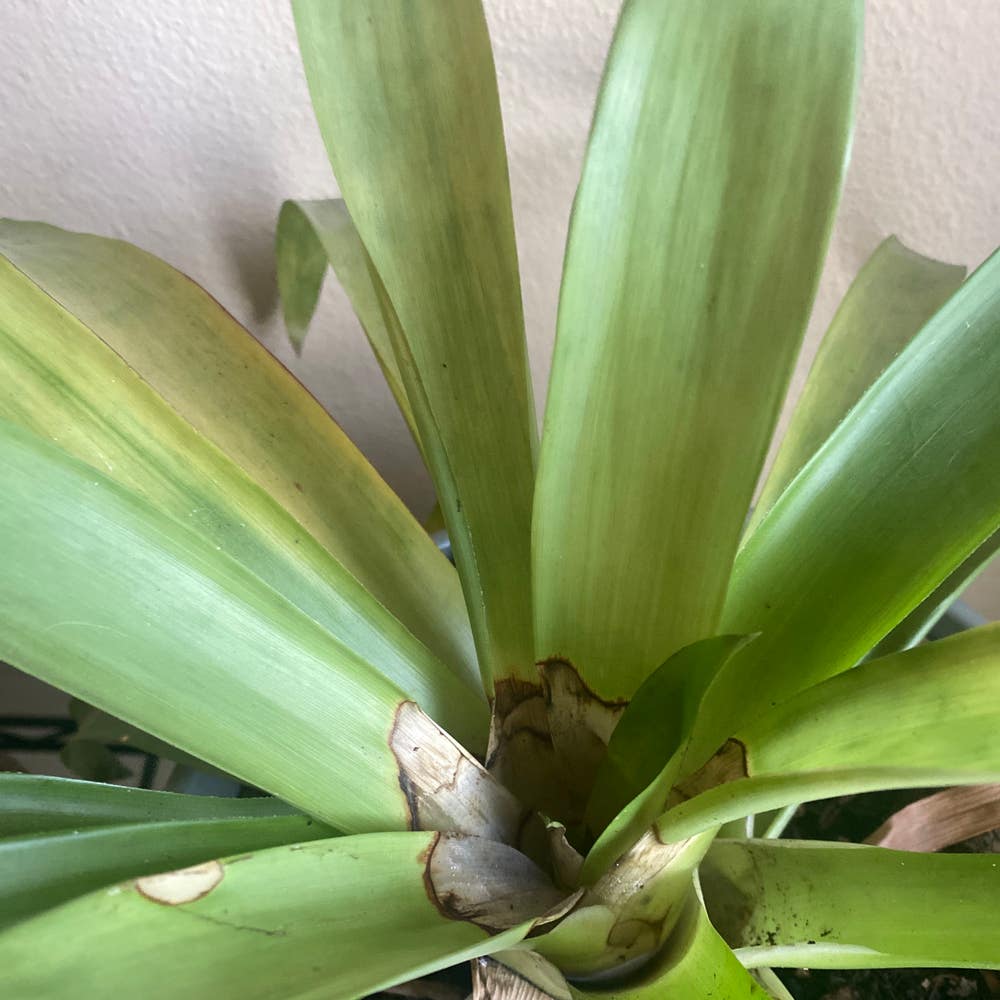
Neoregelia laevis communicates its needs through its foliage. A nutrient-starved plant may exhibit pale or yellowing leaves, while dark green, lustrous leaves typically indicate a happy, well-fed specimen. Over-fertilization, on the other hand, can cause leaf burn or a halt in growth. It's a delicate balance, but your plant will guide you if you're attentive.
🔄 The Pivot: When to Switch Up Your Fertilization Game
When your Neoregelia laevis seems off, it's time to adjust. If growth is stunted or leaves are lackluster, consider changing your fertilizer type or application frequency. Remember, more isn't always better—overdoing it can lead to nutrient burn. Keep a close eye on your plant after making changes; it's the best way to learn and refine your fertilization technique.
Oops, Too Much!: Recognizing and Remedying Over-Fertilization
🚨 Spotting Trouble: Symptoms Specific to Neoregelia laevis
Leaf discoloration and stunted growth in your Neoregelia laevis scream over-fertilization. A white, crusty buildup on the soil surface? That's the plant's version of waving a white flag. Brown leaf tips aren't a new fashion trend; they're distress signals. If your Neoregelia's leaves are more yellow than a school bus, it's time to dial back on the nutrients.
💪 The Recovery Plan: Bouncing Back from Over-Fertilization
Hit pause on the fertilizer front and give your Neoregelia laevis some breathing room. Flush the soil with water to wash away excess salts—think of it as a detox for your plant's roots. If the leaves look like they've seen better days, snip them off. They're not coming back to life, and they're just hogging energy. Going forward, remember that less is often more. Keep an eye out for new growth—it's a sign your plant is on the mend and ready for a carefully measured return to fertilization.
⚠️ Safety First
This content is for general information and may contain errors, omissions, or outdated details. It is not medical, veterinary advice, or an endorsement of therapeutic claims.
Always consult a qualified healthcare professional before using any plant as food, medicine, or supplement.
Never eat any plant (or feed one to pets) without confirming its identity with at least two trusted sources.
If you suspect poisoning, call Poison Control (800) 222-1222, the Pet Poison Helpline (800) 213-6680, or your local emergency service immediately.
Spotted an error? Please report it here.
Keep your Neoregelia laevis thriving 🌿 with Greg's tailored reminders to track fertilization schedules, ensuring robust growth without the guesswork.