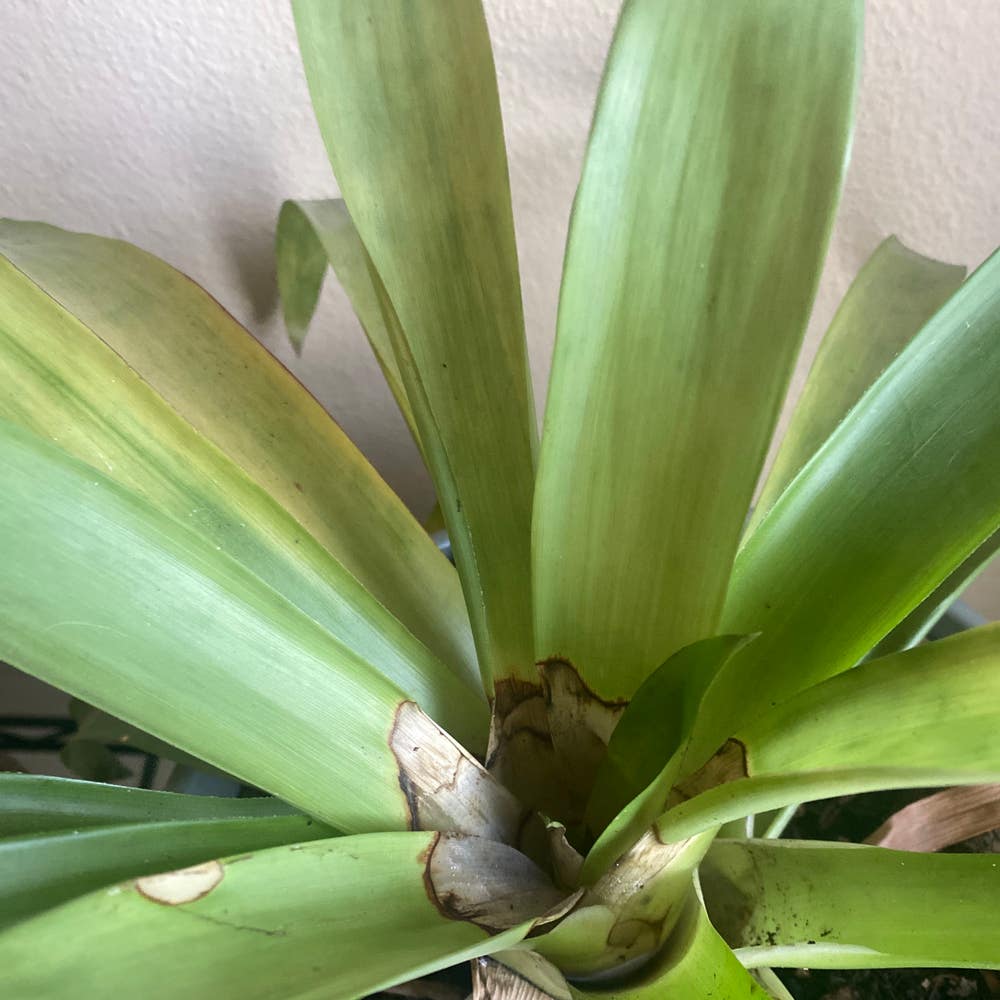
Should I Repot My Neoregelia laevis?
Neoregelia laevis
By the Greg Editorial Team
Apr 14, 2024•4 min read
This article was created with the help of AI so we can cover more plants for you. May contain errors. See one? Report it here.
Discover how repotting at the right time 🕒 can transform your Neoregelia laevis into a thriving spectacle 🌿.
- Cramped roots signal repotting time, look for circling roots and stunted growth.
- 🌱 Choose the right pot and time: growth season, correct size, and material.
- Post-repot care is crucial: proper watering, light, humidity, and pest control.
Spotting the Telltale Signs for Repotting
🌱 Root Clues: Cramped and Circling Roots
When your Neoregelia laevis starts to resemble a miniature escape artist, it's time to take notice. Roots peeking through drainage holes or forming a tight spiral at the pot's base are not just quirky traits; they're distress signals. This root-bound scenario can choke the plant, hindering its ability to absorb nutrients and water.
🌿 Above the Soil: Visual Cues of Distress
Stunted growth is a silent scream for help. If your plant's leaves are less perky and its vibrant colors have dulled, it's not just having an off day—it's likely feeling the squeeze. A top-heavy plant that tips over easily is another visual cue; it's the plant's way of saying, "I need more space!"
💧 Water Woes: Hydration Struggles
When water races through the pot as if it's late for an appointment, or conversely, pools on top like a scared swimmer, it's a red flag. These extremes in soil moisture indicate that your Neoregelia laevis might be root-bound. A musty smell coming from the pot is the plant's version of sending up a flair—it's time to consider repotting.
The Repotting Rundown: A Step-by-Step Guide
🌱 Prepping the Stage: Choosing the Right Time and Materials
Timing is everything when it comes to repotting your Neoregelia laevis. Aim for the growth season when the plant is most resilient. Gather your tools: a new pot, fresh potting mix, sharp scissors, gloves, and a sense of adventure.
🌿 The Gentle Uproot: Safely Extracting Neoregelia laevis from Its Old Home
Water your plant a day in advance to make the roots more cooperative. Ease the plant out, using a squeeze or tap if the pot clings like a stubborn limpet. Handle your plant with the care of a bomb disposal expert – it's not a wrestling match.
🌱 Root Inspection and Care: What to Look for and How to Handle It
Inspect the roots like you're defusing a bomb. Snip away the dead or dying ones with the precision of a surgeon. If the roots are circling like a whirlpool, gently tease them apart. Think of it as giving your plant a root massage.
🏺 Choosing the Best Pot for Your Neoregelia laevis
🌵 Terracotta vs. Plastic vs. Ceramic: Balancing Breathability, Moisture, and Style
Terracotta is the rugged, breathable choice, perfect for wicking away excess moisture. Plastic is the lightweight, budget-friendly option, while ceramic adds a touch of elegance. Ensure whichever you choose has drainage holes to prevent soggy soil syndrome.
📏 Size Matters: Selecting the Right Size for Your Plant's Next Chapter
Go big or go home doesn't apply here. Choose a pot that's just a couple of inches larger in diameter than the old one. This gives the roots room to grow without drowning in soil. Remember, Neoregelia laevis prefers a shallow pot, so think wide, not deep.
Post-Repotting Care: Helping Your Plant Thrive
💧 The First Watering
After repotting, water thoroughly to help your Neoregelia laevis settle. Wait until the top inch of soil dries out before the next watering. Overzealous watering leads to soggy soil, which is a no-go for your plant's health.
🌞 Settling In: Temperature, Light, and Humidity
Indirect light is your plant's best friend post-repotting. Gradually introduce it to brighter light over a week to prevent stress. Keep the temperature consistent, avoiding drafts. Aim for a humidity level between 40-60%; misting can help in drier environments.
👀 Monitoring and Maintenance
Keep an eye on your plant, especially the new leaves. They're the tell-tale sign of whether you're nailing the care routine. Adjust watering as needed and resist fertilizing immediately—let your plant acclimate first. Be proactive with pest control and rotate the plant for even growth. Remember, moderation and consistency are key to a thriving Neoregelia laevis.
⚠️ Safety First
This content is for general information and may contain errors, omissions, or outdated details. It is not medical, veterinary advice, or an endorsement of therapeutic claims.
Always consult a qualified healthcare professional before using any plant as food, medicine, or supplement.
Never eat any plant (or feed one to pets) without confirming its identity with at least two trusted sources.
If you suspect poisoning, call Poison Control (800) 222-1222, the Pet Poison Helpline (800) 213-6680, or your local emergency service immediately.
Spotted an error? Please report it here.
Ensure your Neoregelia laevis thrives in its new pot by following Greg's custom care reminders 🌱, perfectly timed for growth season and tailored to your plant's post-repotting needs.