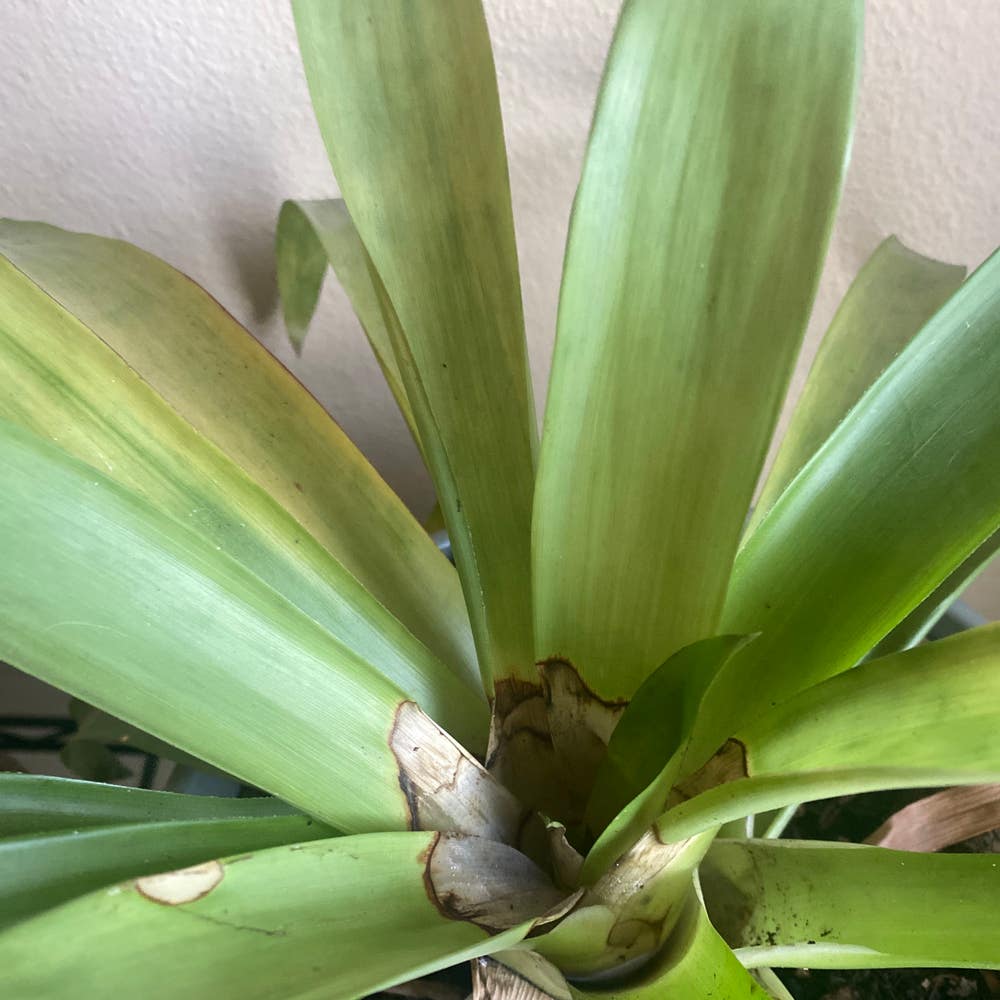
🐛 What To Do About Bugs on My Neoregelia laevis?
Neoregelia laevis
By the Greg Editorial Team
Apr 14, 2024•4 min read
This article was created with the help of AI so we can cover more plants for you. May contain errors. See one? Report it here.
Protect your Neoregelia's vibrant beauty 🌺 from bug battles with these expert pest-fighting tactics!
- 🕷️ Spider mites and scale - use neem oil and inspect regularly.
- 🍄 Fungus gnats and fruit flies - employ sticky traps and soil treatments.
- 💧🌱 Prevent pests with optimal care, cleanliness, and natural predators.
Meet the Unwanted Guests: Common Pests on Neoregelia laevis
🕷️ Spider Mites: The Sneaky Sap-Suckers
Tiny spider mites are the ninjas of the plant world, often invisible until their damage is done. Look for webbing and tiny, colored specks beneath the leaves. To fight back, unleash a mist of neem oil and crank up the humidity to spoil their fun.
🦟 Scale: The Sticky Freeloaders
Scale insects masquerade as harmless bumps on stems and leaves, exuding a sticky residue. Spot them? Get scraping, or if you're feeling like a gentle soul, dab on some neem or horticultural oil. Regular inspections and isolating new plants can prevent these sticky situations.
🦟 Fungus Gnats and Fruit Flies: The Frustrating Fliers
Detecting the buzz: Signs of gnat and fruit fly invasions. Clearing the air: Solutions and safeguards involve sticky traps and soil treatments to get these pests to buzz off for good.
🐛 Mealybugs: The Fluffy Fiends
Mealybugs leave fluffy, white deposits, as if they're throwing a miniature cotton ball fiesta. Combat tactics: Eradication and defense methods include insecticidal soap or neem oil, applied with precision to send these fluffy fiends packing.
Other Pests Potentially Prowling on Your Plant
🐞 Aphids and Thrips: Tiny but Troublesome
Aphids and thrips might not be your most frequent visitors, but they're unwelcome nonetheless.
Recognizing the less common culprits.
Aphids are easy to spot with their pear-shaped bodies, usually hanging out in groups on new growth or under leaves. They come in a palette of colors and suck the life out of your Neoregelia laevis like miniature vampires. Thrips are more like stealthy intruders, slender with fringed wings, and tend to blend in with leaves and flower petals. They're tough to catch without a magnifying glass, but their damage leaves a silvery trail of evidence.
Quick action plans to protect your Neoregelia laevis.
When you spot these pests, it's time for a swift counterattack. Blast aphids away with a strong stream of water or apply insecticidal soap for a more direct hit. Thrips require a bit more finesse; prune infested areas and consider neem oil or soap sprays. If you're feeling particularly strategic, release some natural predators into the mix—ladybugs and lacewings are not only effective but also quite the sight to behold. Remember, regular plant inspections are your best bet for early detection and defense.
The First Line of Defense: Prevention Strategies
🌱 Cultivating Resilience
Healthy plants are less susceptible to pests. For your Neoregelia laevis, this means providing optimal lighting, consistent watering, and nutrient-rich soil. Think of these elements as the plant's personal armor against the onslaught of bugs.
💪 The Power of Vigilance
Routine checks are your secret weapon. Inspect your Neoregelia laevis regularly, paying close attention to the undersides of leaves where pests like to hide. Catching invaders early is the equivalent of nipping the problem in the bud.
🧼 Hygiene and Habitat
Maintain cleanliness around your plant. Remove dead or decaying leaves promptly to prevent them from becoming pest motels. Also, ensure the plant's environment remains stable; a consistent habitat promotes plant health, deterring pest invasions.
🐞 Encouraging Natural Predators
Embrace biodiversity. Introducing natural predators such as ladybugs or predatory mites can serve as living pest control, keeping your Neoregelia laevis in the clear.
🛠 Tool Sterilization
Keep your gardening tools sterilized. It's a simple step, like washing your hands, that can prevent the spread of pests and diseases to your Neoregelia laevis.
👀 Regular Reconnaissance
Make inspections a habit, as routine as watering. Be on the lookout for early signs of pests—sticky residues, nibbled leaves, or the critters themselves. Early detection is essential for effective pest management.
🛡️ Integrated Pest Management (IPM)
Adopt IPM strategies that combine cultural, physical, and biological tactics. This holistic approach is like having a multi-layered defense system for your Neoregelia laevis.
When Bugs Strike: Effective Treatment Approaches
🌿 Natural Remedies: Gentle Yet Potent
In the tug-of-war with pests, natural remedies are your first line of defense. Neem oil is a go-to, thwarting pests with its bitter taste and smothering effect. Insecticidal soaps slice through the invaders' waxy exteriors, delivering a swift exit without collateral damage. And don't overlook the power of beneficial insects; ladybugs and lacewings are voracious predators that police your Neoregelia laevis without a paycheck.
💣 Chemical Solutions: When You Need the Big Guns
When the bugs laugh in the face of your organic arsenal, it's time for chemical reinforcements. But caution is key—these are potent concoctions. Suit up in your protective gear and wield these weapons with precision. Opt for the least toxic options, like Neemix or BotaniGard, and always, always read the label. Rotate your chemicals to avoid pest resistance, because these critters are crafty and can adapt faster than you'd like.
⚠️ Safety First
This content is for general information and may contain errors, omissions, or outdated details. It is not medical, veterinary advice, or an endorsement of therapeutic claims.
Always consult a qualified healthcare professional before using any plant as food, medicine, or supplement.
Never eat any plant (or feed one to pets) without confirming its identity with at least two trusted sources.
If you suspect poisoning, call Poison Control (800) 222-1222, the Pet Poison Helpline (800) 213-6680, or your local emergency service immediately.
Spotted an error? Please report it here.
Shield your Neoregelia laevis from pests by staying alert 🕵️♂️ with Greg's custom care reminders and early detection tips, ensuring your plants remain the picture of health!