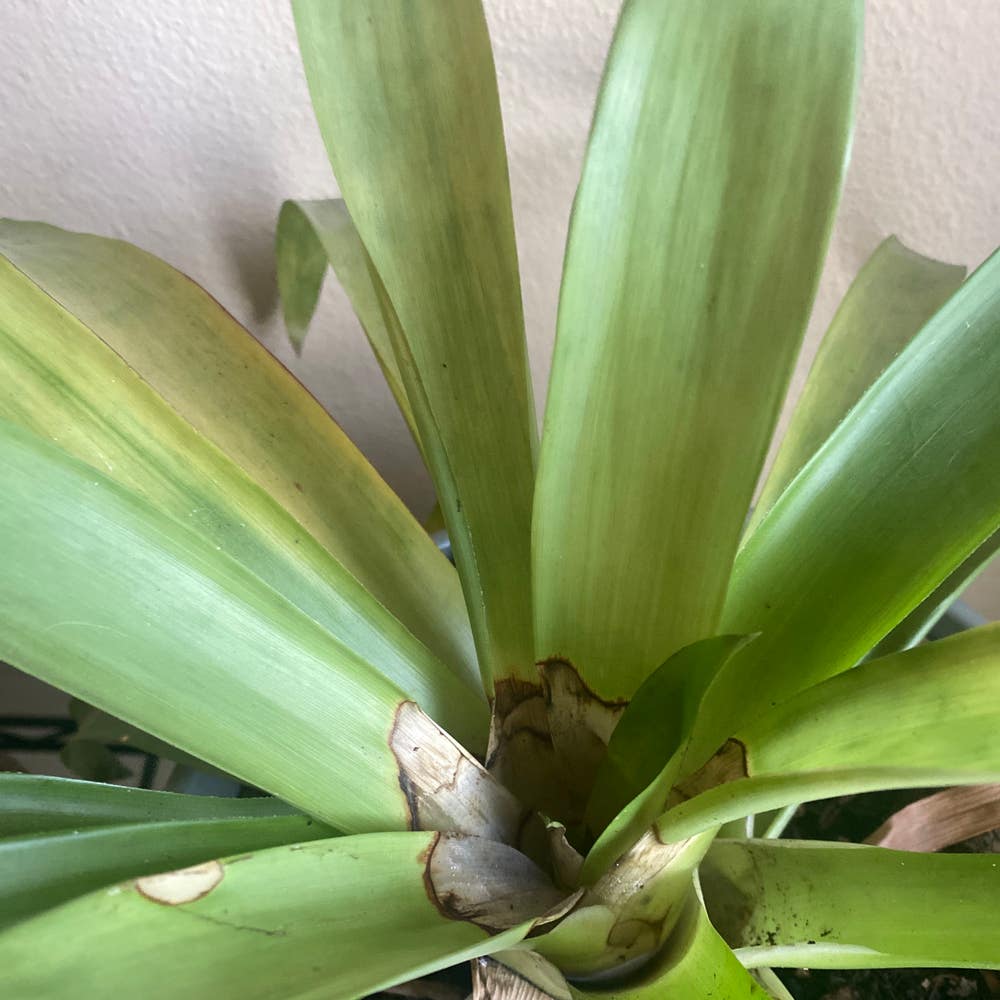
How Often Do I Need to Water My Neoregelia laevis?
Neoregelia laevis
By the Greg Editorial Team
Apr 14, 2024•4 min read
This article was created with the help of AI so we can cover more plants for you. May contain errors. See one? Report it here.
Discover the secret to a lush Neoregelia laevis 🌿—master its watering rhythm and never over or underwater again!
- 🌱 Recognize thirsty roots by wilting and dry leaves; overwatering by yellowing leaves.
- 💧 Water center cup; let dry between waterings to prevent rot.
- 🌡️ Adjust for seasons and home climate; check soil before watering.
When to Water: Reading Your Plant's Thirst Signals
🌱 Recognizing Thirsty vs. Drowned Roots
Wilting, dry leaves? Thirsty roots are calling. Conversely, yellowing leaves and a musty odor signal overwatering. It's a delicate balance; roots should never be too dry or too soggy.
🌦 Seasonal Shifts in Watering Rhythms
Adjust your watering with the seasons. Summer's heat demands more frequent hydration, while winter's chill calls for restraint. Observe your plant's behavior; leaf drop means reassess your watering strategy.
How to Water: Techniques for a Happy Neoregelia
💧 Watering the Rosette: A Step-by-Step Guide
Watering Neoregelia laevis isn't just about dumping water and calling it a day. Direct your aim to the center cup, filling it about a quarter of the way. This mimics their natural rainforest habitat, where they catch rainwater in their urns.
🚱 Avoiding Common Watering Pitfalls
Overwatering is the fast track to a plant funeral. Prevent root rot by letting the center dry out for a few days between waterings. If your home is a low-light cave or you're cranking the AC, reduce the water in the cup even more.
Use a narrow-spout watering can to avoid drenching the leaves. Think of it as precision hydration, not a shower. If your Neoregelia's thirstier than anticipated, resist the urge to flood it. Instead, consider a repot with a mix that's like a moist piece of cake—damp but not soggy.
Remember, it's about balance. Too much love in the form of water, and you'll have a mushy mess. Too little, and your plant's as parched as a desert. Keep an eye on it, and adjust your watering rhythm to the beat of your home's environment.
The Perfect Home: Potting and Environment Factors
🌱 Choosing the Right Potting Mix and Container
Well-draining soil is non-negotiable for Neoregelia laevis. A mix of peat, pine bark, and perlite strikes the right balance between moisture retention and aeration. Terra cotta pots with drainage holes are your best bet—they're like breathable workout gear for roots.
🌡️ Adapting to Your Home's Climate
Your Neoregelia's watering needs are as sensitive to indoor climates as a thermostat. High humidity? Ease up on the watering can. Dry air? It's time to up the hydration game. Remember, air circulation is the silent guardian of root health—keep it flowing.
Fine-Tuning Your Watering Schedule
💧 Observing and Responding to Your Plant's Needs
Hydration is not a guessing game. To keep your Neoregelia laevis in top shape, you'll need to become a bit of a detective. Start by checking the soil before you water; if the top inch feels like a dry martini, it's time to quench your plant's thirst. On the flip side, if the soil is damp, hold off on the water to avoid root rot.
Leaf language is real. If your plant's leaves are more droopy than a Monday morning, it's begging for a drink. Conversely, yellowing leaves can signal you've been too generous with the watering can. Adjust your routine based on these silent yet telling cues.
🌦 The Art of Adjusting Watering with Environmental Changes
Seasons change, and so does your plant's water needs. In the summer, your Neoregelia laevis might be as thirsty as a tourist in the desert, while in winter, it's more like a hibernating bear. Dial down the watering when the temperature drops.
Indoor climates are as varied as outdoor ones. A room with Sahara-like dryness will have your plant reaching for the water more often than one mimicking the Amazon. Keep an eye on your humidity levels and adjust your watering accordingly.
Remember, consistency is key, but rigidity is the enemy. Your plant doesn't care for a strict schedule; it's all about the vibe. So, while you might start with a weekly watering plan, be prepared to pivot like a pro when the environment throws a curveball.
⚠️ Safety First
This content is for general information and may contain errors, omissions, or outdated details. It is not medical, veterinary advice, or an endorsement of therapeutic claims.
Always consult a qualified healthcare professional before using any plant as food, medicine, or supplement.
Never eat any plant (or feed one to pets) without confirming its identity with at least two trusted sources.
If you suspect poisoning, call Poison Control (800) 222-1222, the Pet Poison Helpline (800) 213-6680, or your local emergency service immediately.
Spotted an error? Please report it here.
Ensure your Neoregelia laevis never misses a beat 💧 with Greg's custom watering plan that adapts to seasonal changes and your home's specific environment.