Common Lithops Problems
Lithops bromfieldii
By the Greg Editorial Team
Dec 16, 2023•6 min read
This article was created with the help of AI so we can cover more plants for you. May contain errors. See one? Report it here.
Nurture your Lithops to perfection 🌵 by decoding their distress signals and unlocking robust health.
- Discoloration or shriveling signals distress; overwatering causes mushiness.
- Bright, indirect light and stable temps are crucial for Lithops health.
- Consistent watering and well-draining soil prevent most common problems.
Identifying Unhealthy Signs
🚨 Visual Cues of Distress
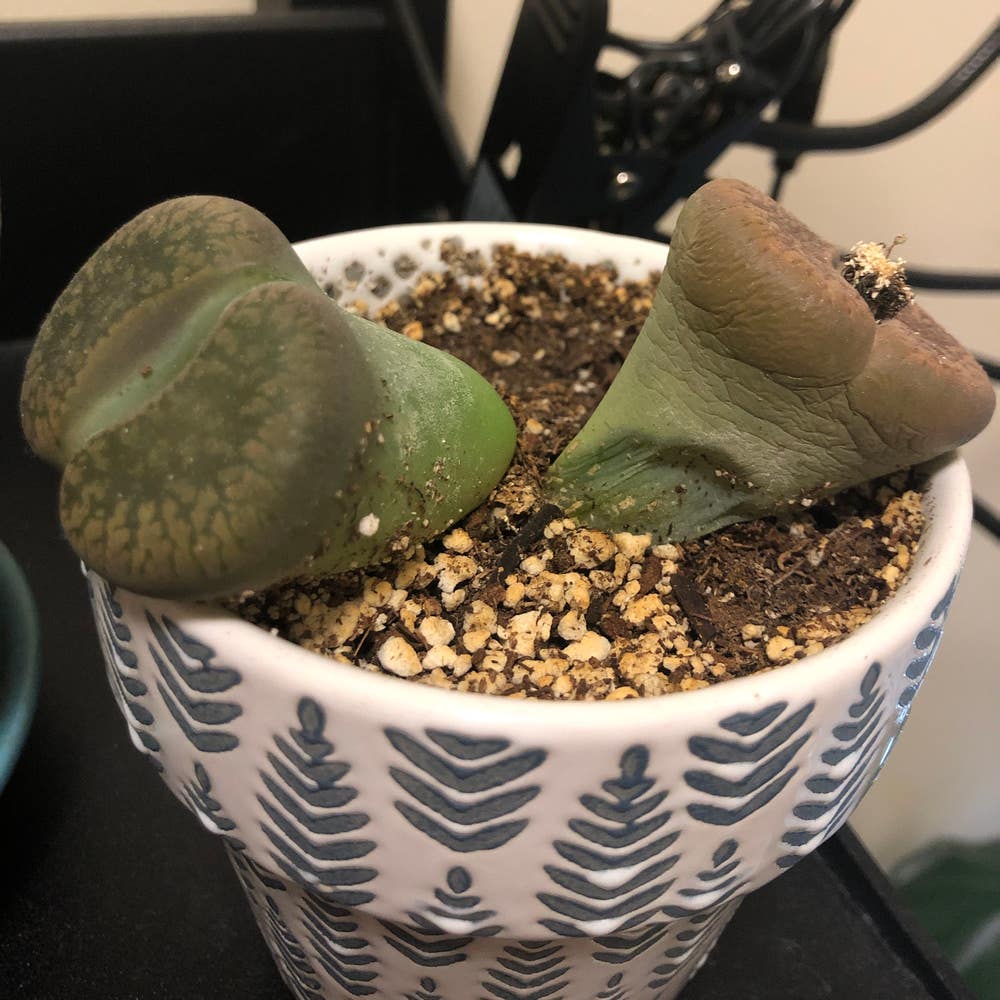
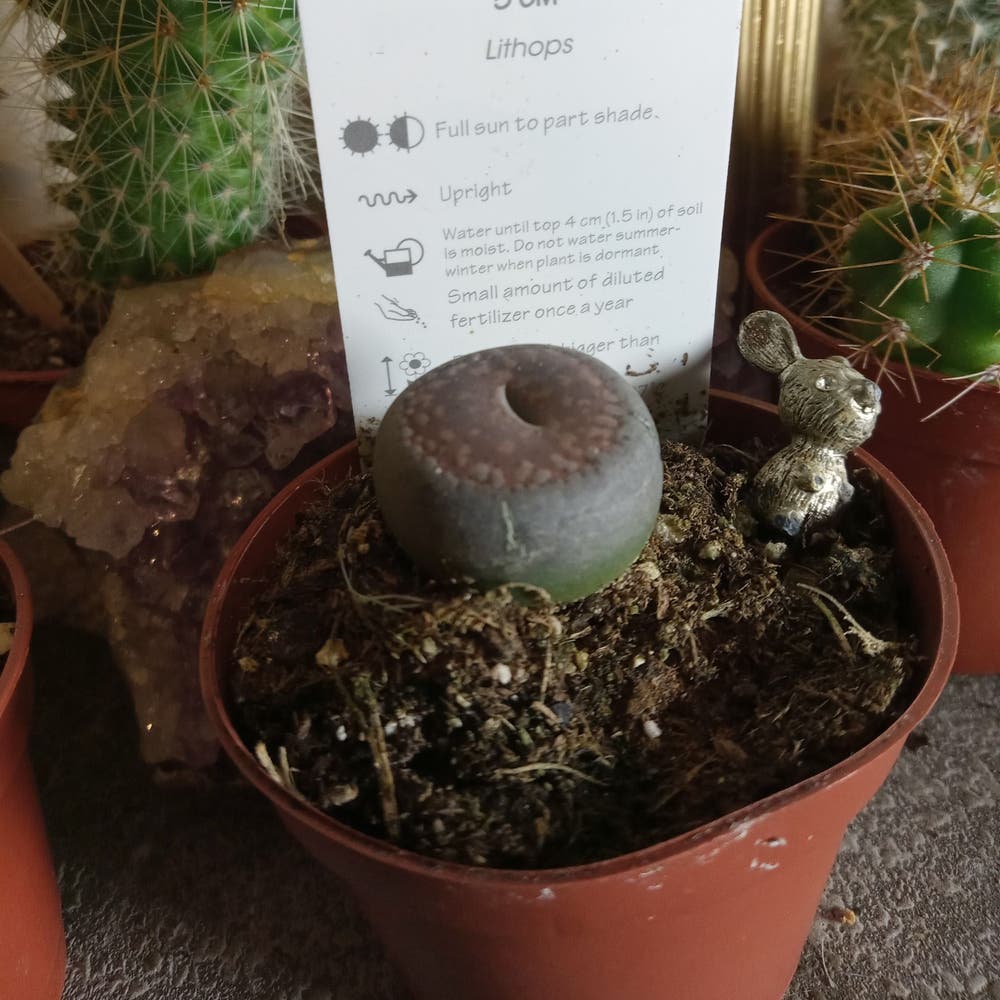
Discoloration or shriveled leaves in Lithops can be a distress signal. Unlike their orchid and air plant cousins, Lithops have unique camouflage patterns that can make spotting trouble a bit trickier. Look for changes in the leaf patterns or textures that deviate from their typical stony appearance.
👀 Proactive Observation
Stay vigilant. A Lithops turning mushy or yellow screams overwatering. If they're stretching towards the light like they're trying to escape the pot, they're probably not getting enough sun. And remember, a happy Lithops won't grow much; rapid changes in size are a red flag.
🕵️ Under the Hood
Sometimes the trouble with Lithops is not what's on the surface, but what's underneath. If you suspect root issues, don't be afraid to play detective and check the roots for softness or discoloration—classic signs of rot.
🕵️♂️ The Subtle Signs
Lithops are stoic little plants, but they have their ways of whispering for help. Slow growth or a lack of flowering can indicate that something's amiss. And if your Lithops is sporting brown, blister-like spots, it's likely suffering from edema due to overwatering.
🤔 The Odd Ones Out
Keep an eye out for Lithops that just look off. New growth that's distorted, black tips, or leaves that refuse to uncurl are all crying out for your attention. It's like they're saying, "Hey, I'm not feeling so hot here!"
🐜 The Pests
Yes, even the rock-like Lithops can fall victim to pests. Spider mites and mealybugs don't care about your plant's cool camouflage—they'll munch away regardless. Be on the lookout for unwanted critters making a meal of your succulent.

General Care Tips
💧 Soil and Pot Selection
Choose wisely when it comes to the soil and pot for your Lithops. A well-draining mix is non-negotiable—think cactus mix with added perlite or coarse sand. Your pot material can be ceramic or plastic, but it must have drainage holes to prevent your living stones from drowning in excess moisture.
💦 Watering Guidelines
Watering Lithops is like walking a tightrope—too much or too little, and you're in trouble. During the growth period, water sparingly every couple of weeks, but come winter, put the watering can away. Lithops are masters of disguise, but if they start to look more prune-like than stone-like, it's a cry for hydration.
🌞 Light and Temperature
Lithops love the spotlight but don't appreciate a sunburn. Bright, indirect light is their jam. They're tough cookies in the heat but will throw in the towel if temperatures drop below 40℉. Keep them cozy and away from drafts to avoid unwanted chills.
Understanding Lithops Needs
Lithops aren't your average succulents. They're the introverts of the plant world—low maintenance but with specific needs. Understanding these needs isn't just plant care; it's a relationship. Get to know your Lithops, and they'll be rock-solid companions for years to come.

Preventive Measures
🌵 Understanding Lithops Needs
Proactive care is the cornerstone of Lithops health. These succulents thrive on a regimen tailored to their unique needs.
💧 Watering Wisdom
Consistency is key. Lithops despise soggy feet, so ensure your substrate dries out within 3-4 days after watering. Avoid water-retentive materials like peat or compost.
🌞 Light Levels
Lithops are sun worshippers, requiring at least 5 hours of quality light daily. Beware of low light, which can lead to etiolation.
🌡️ Temperature Tips
Keep temperatures stable, ideally between 18-24°C. Sudden changes can shock these resilient yet sensitive plants.
🚰 Drainage and Airflow
Ensure pots have drainage holes. Overlook this, and you're inviting a salt buildup, which is a one-way ticket to dehydrated roots.
🐜 Pest Patrol
Stay vigilant for root mealybugs. Treat proactively with an Imidacloprid solution, but handle with care to protect our bee buddies.
🍽️ Nutrient Nudges
Don't starve your Lithops; they need some nutrients. But remember, less is more—overfeeding is just as harmful as neglect.
☀️ Heat Hazards
Avoid the greenhouse effect. Lithops can't handle being baked behind glass. Use a 40% shade mesh to diffuse intense sunlight.
🌵 Cohabitation Considerations
Lithops don't play well with thirsty plants. They're the lone wolves of the succulent world—grouping them with high-moisture companions is a no-go.
🔧 Maintenance Mindset
Skip maintenance during growth spurts. Best to prune and pamper just before the spring and autumn growth periods.
🌱 Root Care
Trim those roots, but not too short. A little trim encourages strong growth. Let the cuts callus before replanting in well-draining soil.
👶 Seedling Safety
Protect young Lithops like a hawk. Keep soil slightly moist and provide filtered light. Extreme conditions? Not on their watch.
🚫 The Big No-No's
Never let roots curl up or substrate stay wet. And don't even think about neglecting watering. These are the cardinal sins of Lithops care.
By understanding and addressing the specific needs of Lithops, you can prevent a myriad of issues before they arise. It's all about the right balance and timing—get that down, and you're golden.
Common Lithops Problems and Solutions
💧 Inconsistent Watering
- Symptoms: A Lithops looking more raisin than rock is a telltale sign of inconsistent watering.
- Solutions: Establish a watering schedule that mimics a desert deluge followed by drought.
🌞 Irregular Light
- Symptoms: If your Lithops is stretching out like it's doing morning yoga, it's craving more light.
- Solutions: Ensure a steady stream of bright, indirect light to keep these sun worshippers in shape.
🌡️ Inconsistent Temperature
- Symptoms: Stunted growth or a Lithops looking off-color isn't just feeling blue; it's likely too cold.
- Solutions: Keep temperatures as stable as a rock, avoiding the rollercoaster of seasonal shifts.
💦 Over-watering
- Symptoms: Squishy and translucent leaves are the Lithops' way of waving a white flag at too much water.
- Solutions: Cut back on the aqua and make sure their "feet" aren't wading in a swamp.
🏜️ Under-watering
- Symptoms: Wrinkles aren't just for the elderly; under-watered Lithops sport them, too.
- Solutions: Up the H2O ante just enough to plump them back to their pebble-like perfection.
🐜 Pests
- Symptoms: Unwanted guests like spider mites and mealybugs turn your Lithops into a bug buffet.
- Solutions: Show pests the door with a gentle alcohol swipe or a more stern insecticidal soap.
🍂 Leaf Scorching
- Symptoms: Brown or white crispy spots scream 'I got burned!'
- Solutions: Gradually introduce them to sunlight as if they're meeting a celebrity, avoiding the midday paparazzi glare.
🍄 Mold/Fungus
- Symptoms: Fuzzy growths are more than an unsightly fashion statement; they're a moldy menace.
- Solutions: Improve airflow like you're directing a symphony of breezes and dial back the watering.
🌱 Root Rot
- Symptoms: If the roots smell like they've been marinating in something foul, it's rot.
- Solutions: Overhaul your watering routine and give them a fresh start in well-draining soil.
🚫 Incorrect Care Practices
- Symptoms: Lithops looking as out of shape as a couch potato likely means care instructions have gone awry.
- Solutions: Ditch the one-size-fits-all care guide and tailor your approach to these quirky succulents.
⚠️ Safety First
This content is for general information and may contain errors, omissions, or outdated details. It is not medical, veterinary advice, or an endorsement of therapeutic claims.
Always consult a qualified healthcare professional before using any plant as food, medicine, or supplement.
Never eat any plant (or feed one to pets) without confirming its identity with at least two trusted sources.
If you suspect poisoning, call Poison Control (800) 222-1222, the Pet Poison Helpline (800) 213-6680, or your local emergency service immediately.
Spotted an error? Please report it here.
Keep your Lithops flourishing 🪴 by using Greg to tailor your care routine, from precise watering schedules to sun exposure tips, ensuring these stone-like succulents never miss a beat.