What Do Lithops Flowers Mean?
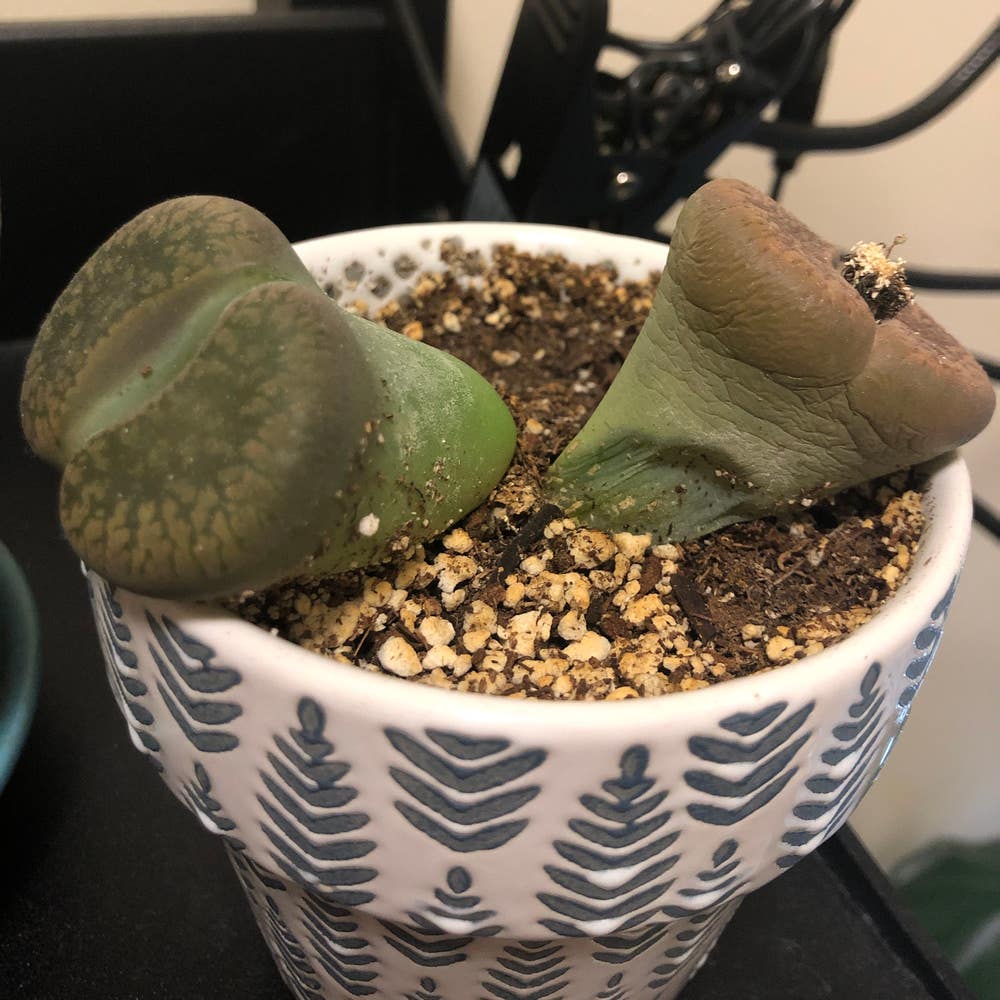
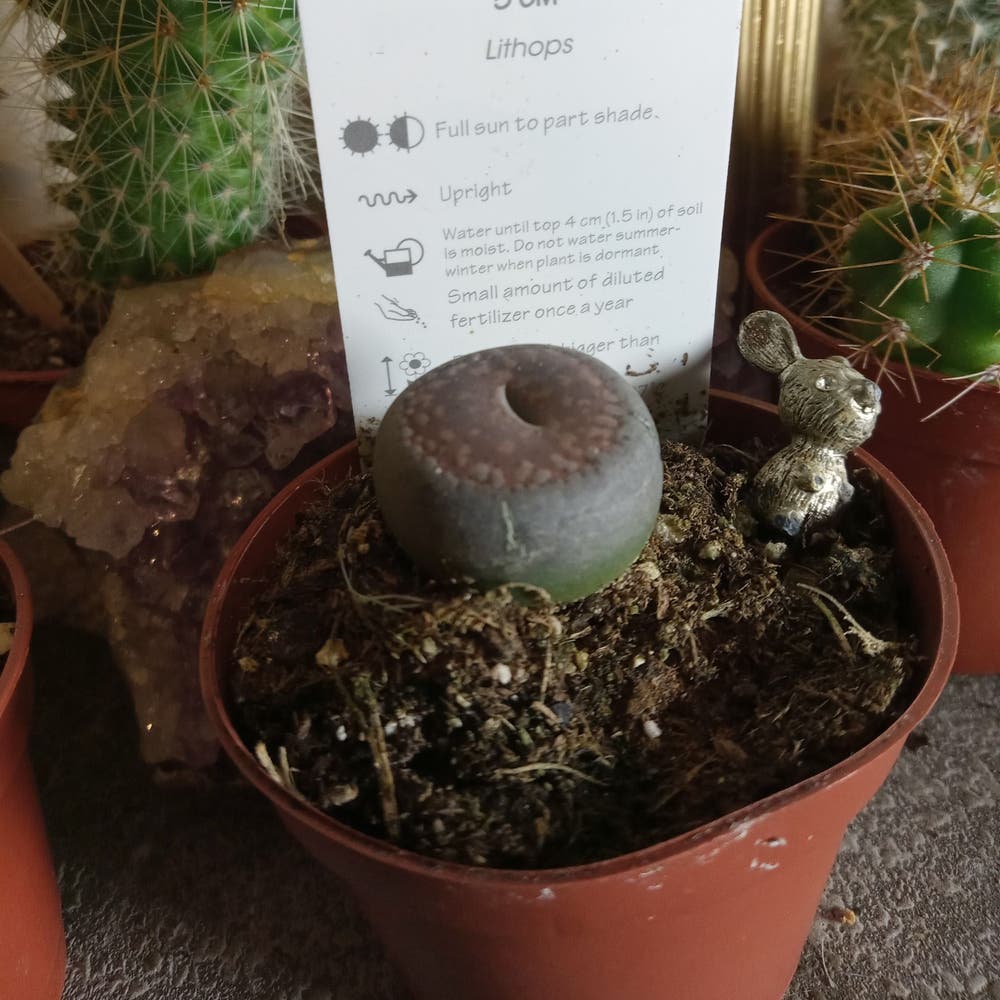
Lithops bromfieldii
By the Greg Editorial Team
Jun 18, 2024•6 min read
This article was created with the help of AI so we can cover more plants for you. May contain errors. See one? Report it here.
Unearth the hidden beauty and resilience of Lithops flowers 🌼, and learn to coax out their rare blooms.
- Flowering signifies Lithops' maturity and readiness for reproduction.
- 🌼 Symbolizes resilience and unexpected beauty, reflecting cultural significance.
- Practical blooming tips: light, temperature, and nutrient management.
Significance of Lithops Flowers
🌼 The Role of Flowering in Lithops' Life Cycle
Flowering marks a pivotal transition in the life cycle of Lithops, signifying maturity at around 3 to 5 years of age. This phase is not just a visual treat but a critical juncture for the plant's health and growth. As the single, daisy-like flower emerges, it heralds the plant's readiness for reproduction and its successful survival thus far.
🌧️ Flowering as an Adaptation Strategy
The timing of Lithops flowering is a masterclass in adaptation. Blooms coincide with seasonal rains, leveraging the brief abundance of water in their arid natural habitats. This synchronization ensures the best shot at pollination and seed dispersal, showcasing the plant's intricate survival strategies in harsh environments.
💡 Environmental Cues and Flowering
Lithops' flowering is not just about age; it's about responding to environmental cues. The right light and temperature conditions set the stage for these living stones to put on their annual floral show. It's a delicate balance, as too much water or the wrong conditions can spell disaster for these drought-adapted marvels.
🌿 Survival Through Subtlety
In the wild, Lithops' subdued appearance helps them blend into the landscape, a clever ruse to avoid predation. Flowering is one of the few times these plants stand out, with their vibrant blooms attracting pollinators and ensuring the continuation of their species. It's a brief departure from their usual camouflage, but a necessary one for their survival.
🌱 A Reflection of Resilience
The flowering of Lithops is more than just a botanical event; it's a reflection of resilience and a testament to the plant's ability to thrive under the radar. Each bloom is a small victory against the odds, a celebration of life in the most inhospitable of places.

Symbolism and Cultural Significance
🌺 The Symbolic Palette of Lithops Flowers
Lithops flowers, often likened to vibrant gems nestled within stone-like leaves, carry a bouquet of meanings across different cultures. In their native South African landscapes, these flowers are not just a spectacle of resilience but also a celebration of life's tenacity in the harshest environments.
🌍 Cultural Resonance in Native Regions
To the indigenous peoples of South Africa, Lithops flowers may symbolize the harmony of nature and the cycle of life, adapting and thriving against all odds. They are a testament to nature's ingenuity, often going unnoticed until they bloom—a reminder of the hidden beauty in the everyday.
🌎 A Global Emblem of Adaptation
Beyond their homeland, Lithops have captivated enthusiasts worldwide, symbolizing the universal allure of the peculiar and the extraordinary. They've even graced postage stamps, signifying their global reach and the fascination they inspire.
🎨 Reflections in Modern Culture
In contemporary culture, Lithops flowers might not hold the same traditional symbolism as, say, the Japanese cherry blossom or the peace lily. However, they do embody a modern appreciation for the quirky and the unique, often serving as a metaphor for finding beauty in the unexpected.
🖌 Lithops in Art and Literature
Artists and writers may use Lithops as a motif for endurance and authenticity, celebrating the plant's unassuming appearance that belies its vibrant inner life. It's a living lesson in not judging by appearances—a small, stony plant that explodes into color when least expected.

Impact of Flowering on Lithops
Flowering marks a pivotal transition in a Lithop's life. Post-bloom, these succulents enter a dormancy phase, crucial for their survival in harsh environments. During this time, the plant conserves energy, and the old leaves are reabsorbed to nourish new growth.
🌼 The Flowering Process
Flowering is not just a visual treat; it's a sign of a healthy Lithops. The plant's daisy-like flowers, blooming in sunny afternoons of autumn or early winter, are a spectacle of adaptation. However, they're also a call to action for the plant, signaling the start of its reproductive cycle.
🌱 Reproduction and Seed Dispersal
Lithops are self-sterile, relying on pollinators for seed production. The seeds are housed in a capsule that opens when wet, a clever mechanism ensuring dispersal by rain. This reproductive strategy is a testament to the plant's resilience and evolutionary ingenuity.
🌿 Growth and Development
After flowering, Lithops focus on developing new bodies. This regeneration is a delicate dance of resource allocation, with the plant drawing from its old leaves to support new ones. It's a survival strategy that's as efficient as it is fascinating.
🏜️ Environmental Adaptation
The flowering and subsequent dormancy reflect Lithops' adaptation to their native arid landscapes. These periods of rest and renewal are synced with the environment, showcasing the plant's innate ability to thrive under extreme conditions.
💡 Light and Well-being
Light exposure is critical. Just as with other plants, like cannabis, the amount of light Lithops receive influences their growth and flowering success. Too little light leads to etiolation, weakening the plant's structure and health.
🍽️ Nutrient Management
Nutrient supplementation post-flowering supports the leave renewal process. A balanced approach to fertilization during the blooming season, using a diluted cactus fertilizer, can enhance the plant's vigor and flowering potential.
Remember, Lithops' flowering isn't just an aesthetic phenomenon; it's a complex, life-sustaining process that mirrors the plant's unique lifecycle and environmental mastery.

Practical Tips for Encouraging Blooming
🌞 Light and Temperature Adjustments
Sunlight is the lifeblood of Lithops, but too much can lead to a crispy demise. Strike a balance with bright, indirect light. Temperature swings mimic their natural habitat, so don't be afraid of cooler nights.
💧 Water and Soil Quality
Overwatering is a death sentence for these desert mimics. Ensure well-draining soil and water sparingly, allowing the soil to dry out between drinks. Think of it as tough love.
🍽️ Nutritional Balance
Fertilize with a succulent-specific feed, but sparingly. These aren't hungry hippos; they're more like camels, storing what they need and making it last.
💨 Humidity and Airflow
Lithops aren't fans of high humidity. Keep the air around them as dry as their arid origins. Good airflow is crucial, so don't let them stew in stillness.
🌍 Environmental Stability
Once buds appear, keep your Lithops in a stable environment. Sudden moves can shock these blooms-to-be and cause them to drop.
Patience is Key
Remember, Lithops bloom on their own schedule. It may take years for flowers to appear. So, keep calm and carry on with consistent care.
🛠️ Troubleshooting Tips
If blooms are still a no-show, reassess light levels and consider a grow light. Check for signs of stress and adjust care accordingly. It's like being a plant detective without the magnifying glass.
⚠️ Safety First
This content is for general information and may contain errors, omissions, or outdated details. It is not medical, veterinary advice, or an endorsement of therapeutic claims.
Always consult a qualified healthcare professional before using any plant as food, medicine, or supplement.
Never eat any plant (or feed one to pets) without confirming its identity with at least two trusted sources.
If you suspect poisoning, call Poison Control (800) 222-1222, the Pet Poison Helpline (800) 213-6680, or your local emergency service immediately.
Spotted an error? Please report it here.
Unlock the secret to blooming Lithops 🌼 with Greg's precise light and temperature reminders, ensuring your living stones flourish from the wisdom in these tips.