🌞 Does My Lithops bromfieldii Need Direct Sunlight?
Lithops bromfieldii
By the Greg Editorial Team
Jun 18, 2024•5 min read
This article was created with the help of AI so we can cover more plants for you. May contain errors. See one? Report it here.
Ensure your Lithops bromfieldii flourishes by mastering its precise sun needs! 🌵☀️
- Direct sunlight is crucial for Lithops bromfieldii's vibrant growth.
- 🌞🌱 Avoid sunburn and etiolation by managing light exposure.
- Rotate and acclimate to ensure even sunlight and prevent damage.
Assessing Sunlight Needs for Lithops bromfieldii
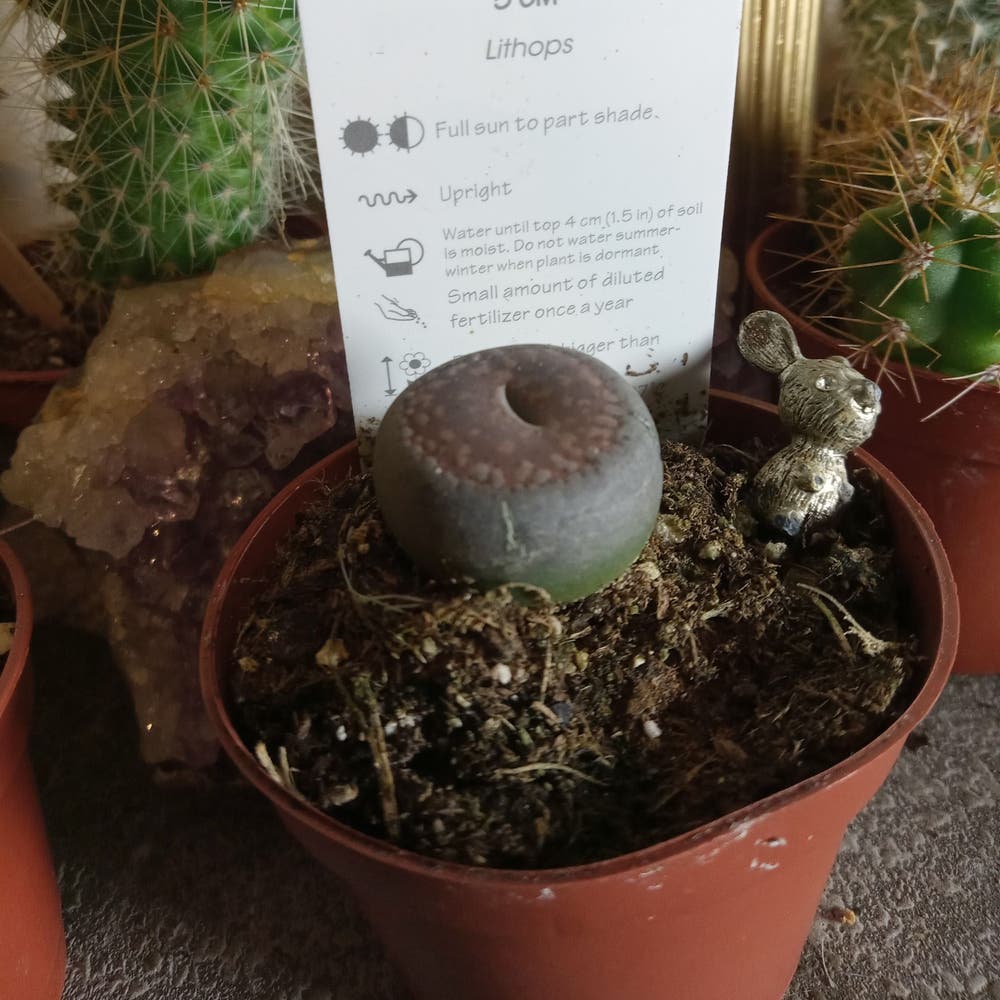
Lithops bromfieldii, a succulent that's as quirky as its name suggests, craves bright, direct light. Ideally, park these living stones less than a foot from a sunny window to soak up those rays.
🌞 Light and Environmental Factors
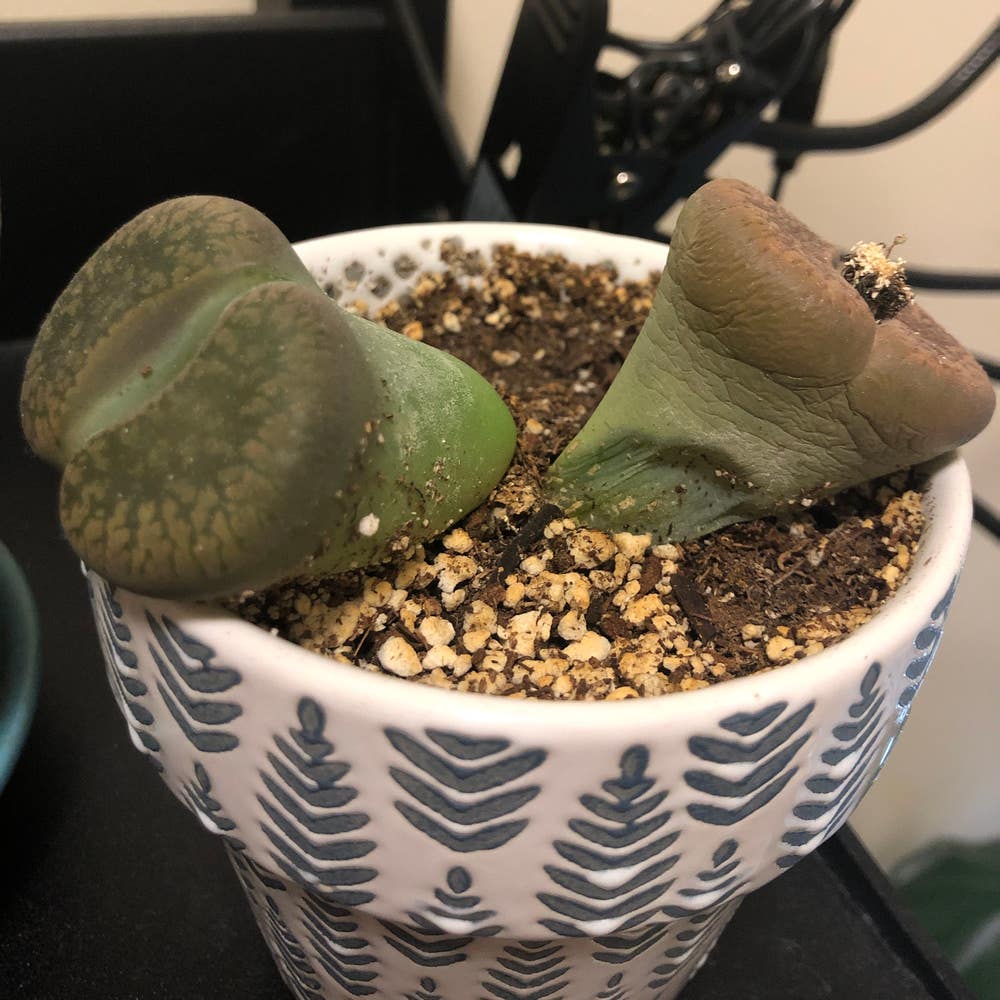
Too little light, and you'll witness a sad display of elongated, pale green leaves. It's like watching a plant stretch for a sun that's just too darn shy. Conversely, too much sun can lead to a sunburned succulent, with its once vibrant colors fading into a dull, distressed cream.
Indoors, these succulents are pretty low-maintenance, but they're not fans of the shade. Think of them as the sunbathers of the plant world, minus the need for sunscreen. Outdoors, they can bask in the glory of USDA Hardiness Zones 10-11, flaunting their resilience.
Remember, Lithops bromfieldii is like that friend who never seems to gain weight; they don't need much in the way of fertilizer or water. Their energy comes from their solar-powered lifestyle, so keep the soil dry and the sunlight plentiful, and they'll be the epitome of plant perfection.

Positioning Lithops bromfieldii for Optimal Sunlight
🌞 Indoor Placement Strategies
Window direction is your Lithops bromfieldii's real estate agent—location, location, location. East or west-facing windows are the sweet spot, offering a buffet of bright light without the scorching midday sun. Think of it as a sunbathing lounge for your stone-like succulent. Rotate the plant like a rotisserie chicken to ensure all sides get their fair share of the light feast.
🌳 Outdoor Considerations
If you're giving your Lithops some outdoor therapy, remember, they're not on vacation. Seasonal changes can turn a sunbath into a sunburn. Gradual acclimation to direct sunlight prevents the plant equivalent of a lobster tan. In USDA Hardiness Zones 10-11, your Lithops can strut its stuff outside, but elsewhere, it's a summer fling before the chill sends it back indoors.

Hemisphere and Seasonal Impacts on Sunlight Exposure
Lithops bromfieldii, a sun-loving succulent, demands careful consideration of its sunlight needs based on your locale's hemisphere and the time of year.
🌍 Adjusting Care Based on Hemisphere
In the Northern Hemisphere, the sun's arc will affect how much direct light your Lithops receives. South-facing windows are the MVPs here, offering the most consistent sunlight year-round. Conversely, in the Southern Hemisphere, north-facing windows take the crown.
🌞 Seasonal Variations in Sunlight Intensity
Summer can be harsh, with intense sunlight potentially scorching your resilient yet sensitive Lithops. Winter poses the opposite problem; shorter days mean less light, which can stifle growth.
🏠 Window Direction and Sunlight Absorption
East-facing windows bathe your Lithops in gentle morning light, while west-facing ones expose it to the more intense afternoon rays. A window facing south (or north, depending on your hemisphere) is the sweet spot for these light-hungry succulents.
🔄 Indoor Positioning Tips
Rotate your plant regularly to ensure all sides receive equal love from the sun. This prevents lopsided growth and maintains the plant's pleasing symmetry.
🌿 Outdoor Considerations
If you're lucky enough to live in USDA Hardiness Zones 10-11, your Lithops can thrive outdoors. Just remember to acclimate it gradually to prevent sunburn – yes, plants get sunburned too.
💡 Pro Tip
Keep an eye on the color of your Lithops. A shift towards cream might signal too much sun, so don't hesitate to adjust its position. Remember, these plants are as expressive as a teenager's mood swings; they'll let you know if they're unhappy.

Recognizing and Preventing Sunburn in Lithops bromfieldii
🔍 Identifying Signs of Sunburn
Discoloration is a telltale sign your Lithops bromfieldii might be throwing up the white flag to excessive sun. If you spot areas shifting from a healthy blue-gray to a distressed cream, it's time to rethink your plant's sunbathing habits. Leaves may also exhibit brown patches or bleaching, which are as much a cry for help as a teenager's sunburn after a day at the beach without sunscreen.
🌞 Adjusting Sunlight Exposure
Caught your Lithops with a tan it didn't sign up for? Move it to a shadier spot pronto. This isn't a plant that appreciates a tan. If it's indoors, a few feet away from the window should do the trick. Outdoors, find a spot that offers a gentle mix of light and shade throughout the day, like under a semi-transparent canopy.
🛡️ Measures to Protect from Excessive Direct Sunlight
Prevention is better than cure, and that's gospel with Lithops care. Start by acclimating your plant slowly to its sunny spot, especially if it's been living the life of a couch potato in low light. Consider a sheer curtain to diffuse direct sunlight and prevent your plant from turning into a crispy critter. And remember, hydration doesn't mean a deluge; these guys dislike wet feet as much as a cat dislikes a bath. Keep the soil on the dry side, and you'll have a happy Lithops.
⚠️ Safety First
This content is for general information and may contain errors, omissions, or outdated details. It is not medical, veterinary advice, or an endorsement of therapeutic claims.
Always consult a qualified healthcare professional before using any plant as food, medicine, or supplement.
Never eat any plant (or feed one to pets) without confirming its identity with at least two trusted sources.
If you suspect poisoning, call Poison Control (800) 222-1222, the Pet Poison Helpline (800) 213-6680, or your local emergency service immediately.
Spotted an error? Please report it here.
Monitor your Lithops bromfieldii's sun exposure 🌞 effortlessly with Greg, ensuring just the right light for those vibrant colors without the risk of sunburn.