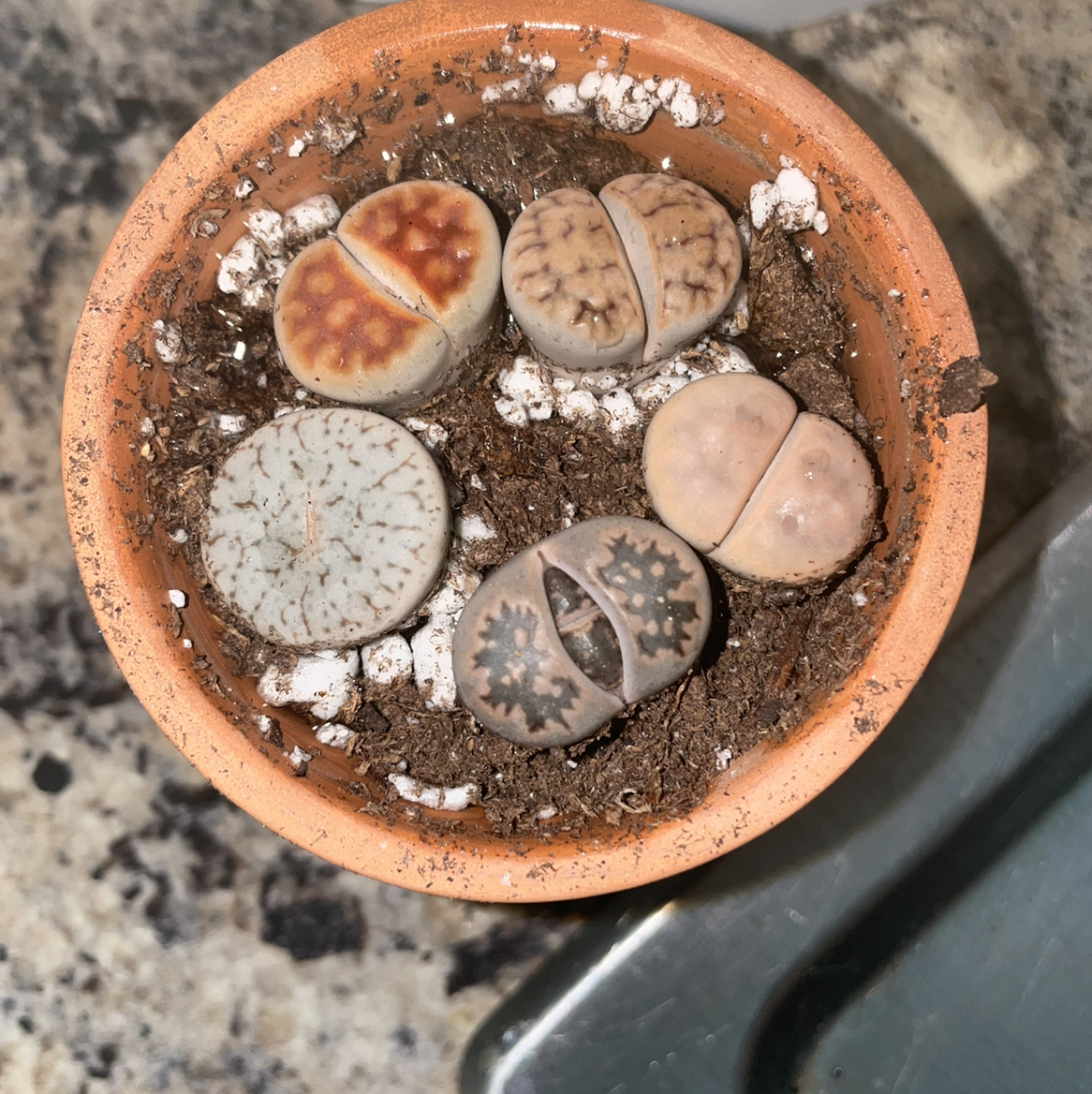
Fertilizing My Lithops bromfieldii to Double Its Growth
Lithops bromfieldii
By the Greg Editorial Team
Jun 18, 2024•7 min read
This article was created with the help of AI so we can cover more plants for you. May contain errors. See one? Report it here.
Maximize your Lithops' blooms 🌼 with this tailored fertilization guide—effortlessly double the beauty!
- Phosphorus and potassium are essential for Lithops bromfieldii flowering.
- Fertilize sparingly in spring to avoid over-fertilization and root harm.
- Monitor and adjust fertilization for cues and peak blooming.
Key Nutrients for Flowering Lithops Bromfieldii
Phosphorus and potassium are the VIP nutrients for flowering in Lithops bromfieldii. While these succulents are low-maintenance, providing these elements can boost blooming.
💪 Phosphorus: The Energy Mover
Phosphorus is crucial for energy transfer within the plant, which is vital for bud formation and bloom vitality. It's like the plant's internal energy drink, fueling the journey from root to bloom. To ensure your Lithops bromfieldii gets its phosphorus fix, consider using bone meal or rock phosphate as organic options.
🍌 Potassium: The Health Promoter
Potassium aids in the overall health of Lithops bromfieldii and is particularly important for the ripening of shoots and flower induction. It's the plant's equivalent of a multivitamin, supporting its growth and immune system. However, be cautious—too much potassium can be counterproductive, leading to reduced leaf size and potentially impacting flower induction.
📊 The N-P-K Ratio
When selecting fertilizers, aim for a mix with higher phosphorus content, something like a 15-30-15 ratio. This is specifically designed to enhance flower development, as opposed to high-nitrogen mixes that promote foliage growth.
💡 Fertilization Tips
Remember, Lithops bromfieldii thrives in dry conditions and doesn't need frequent fertilization. Overdoing it can cause more harm than good. Stick to a light hand when feeding and ensure the plant is not sitting in nutrient-rich soil all year round. A yearly refresh of the potting mix might be all your Lithops needs, but if you decide to fertilize, do so sparingly and at the right time to encourage those coveted blooms.
Optimal Fertilization Schedule for Blooming
Spring is crucial for Lithops bromfieldii fertilization, setting the stage for blossoms.
💡 Timing is Everything
Early spring is your window to fertilize, leveraging the plant's natural growth cycle. As temperatures rise, so does the metabolic rate of your Lithops, making it the perfect time to offer a nutrient boost.
🌞 Seasonal Considerations
During summer, hold your horses; these succulents prefer a less-is-more approach. Overzealous summer feeding could harm more than help. As autumn whispers its arrival, ease off completely. Lithops bromfieldii is prepping for its winter rest, and the last thing it needs is a belly full of fertilizer.
🍽️ Fertilizer Type and Frequency
A diluted cactus fertilizer is your go-to – think of it as a light snack rather than a feast. Use it sparingly in spring, and then let the plant coast on that meal. Remember, these aren't your typical green gluttons; they're desert dwellers that thrive on neglect.
🚫 The Golden Rule
If in doubt, don't. Over-fertilization is the fast track to a Lithops funeral. Stick to a minimalist schedule, and your Lithops bromfieldii will reward you with its quirky blooms.
Choosing and Applying the Right Fertilizer
💡 Selecting the Right Fertilizer
Phosphorus and potassium are your Lithops bromfieldii's best friends when it comes to flowering. Look for a fertilizer that doesn't go overboard on nitrogen, which could encourage leafy growth at the expense of blooms. A balanced NPK ratio, such as 10-10-10, is a safe bet, but if you can find something with a bit more phosphorus, even better. Remember, these succulents are light feeders, so less is more.
🌱 Best Practices for Fertilizer Application
When it's time to fertilize, think of it as seasoning a dish—a little goes a long way. Apply fertilizer sparingly to the soil, avoiding direct contact with the plant to prevent potential damage. Opt for a diluted solution, as recommended by experts for sensitive plants like Ludisia Discolor. And timing? Critical. Only fertilize during the active growing season, which for Lithops bromfieldii is typically in the spring and fall. This avoids shocking the plant when it's not ready to absorb nutrients.
🚫 Avoiding Over-Fertilization
It's tempting to think more food equals more flowers, but resist the urge. Over-fertilization can lead to a build-up of salts in the soil, which can harm the delicate root system of your Lithops bromfieldii. If you notice signs of distress, such as leaf discoloration or a sudden halt in growth, you might be dealing with nutrient overload. Flush the soil with water to dilute the concentration of fertilizer, and give your plant some time to recover. Remember, recovery is a marathon, not a sprint.
🌿 Natural vs. Synthetic Fertilizers
While synthetic fertilizers can give a quick nutrient boost, natural fertilizers release nutrients more slowly and improve soil structure over time. If you're looking for a long-term relationship with your Lithops bromfieldii, consider using a 100% natural fertilizer. It's like choosing a home-cooked meal over fast food—it takes longer, but it's worth it for the health benefits.
🚰 Final Touches
Before you fertilize, make sure your plant is well-hydrated. Watering beforehand ensures that the roots are primed to take up nutrients effectively. And don't forget to follow the instructions on the fertilizer package—manufacturers know their stuff. After all, you wouldn't bake a cake without following the recipe, would you?
Recognizing and Treating Over-Fertilization
🌱 Identifying Over-Fertilization Symptoms
Yellowing leaves at the base and browning tips can be a distress signal from your Lithops bromfieldii. A white crust on the soil surface is another telltale sign, indicating a buildup of unused minerals. Roots that appear brown or blackened are screaming for your attention; they're likely damaged from nutrient overload.
🚑 Immediate Mitigation Steps
Caught your Lithops bromfieldii with its leaves down? Act fast. Gently uproot and shake off excess soil without breaking the roots. Rinse them under lukewarm water to wash away residual fertilizer. Let the plant drain thoroughly. Hold off on the fertilizer; give it a month or more to bounce back. In the meantime, ensure proper drainage to prevent future mishaps. Remember, these succulents are more Spartan than gluttonous when it comes to feeding.
🛡️ Preventing Over-Fertilization
To keep your Lithops in top form, less is more. These guys are the camels of the plant world; they store what they need and prefer a lean diet. Leach the pot every few months to flush out excess salts. Check that your pot's drainage isn't just good, but great. Over-fertilization is a slippery slope, so keep your fertilizer hand light and your care routine tight.
Fertilization Adjustments for Peak Blooming
To maximize blooming in Lithops bromfieldii, timing and balance are key.
💡 The Right Time to Fertilize
Spring is your go-to season for fertilization—it's like a wake-up call for your Lithops after winter dormancy. But don't just throw any fertilizer at it and hope for the best.
💡 The Right Fertilizer
Choose a cactus-specific fertilizer, and think 'less is more.' A slow-release option or a diluted liquid fertilizer is your Lithops' best friend. Overzealous with the fertilizer? Expect a sulk, not a bloom.
💡 The Right Amount
Remember, Lithops bromfieldii is a succulent that's used to tough love in the wild. A light hand is crucial—too much love (fertilizer) can lead to nutrient burn. Half-strength is the magic word here.
💡 The Right Technique
When applying, avoid a downpour. Aim for a gentle sprinkle around the base to avoid shocking the roots. It's like whispering sweet nothings—it's all about the delivery.
💡 Monitoring and Adjusting
Keep an eye out for cues from your plant. If you notice a lack of blooms or any signs of distress, it's time to adjust your approach. It's not about sticking to a rigid schedule but responding to your plant's needs.
💡 Environmental Considerations
Light and temperature play a huge role in blooming. Ensure your Lithops gets plenty of light without scorching it. A bit of a tan is good, but you don't want it to turn into a sunburned tourist.
💡 Final Thought
In the end, fertilizing for peak blooming is about understanding and responding to your Lithops' subtle hints. It's a dance, and you're both learning the steps as you go along.
⚠️ Safety First
This content is for general information and may contain errors, omissions, or outdated details. It is not medical, veterinary advice, or an endorsement of therapeutic claims.
Always consult a qualified healthcare professional before using any plant as food, medicine, or supplement.
Never eat any plant (or feed one to pets) without confirming its identity with at least two trusted sources.
If you suspect poisoning, call Poison Control (800) 222-1222, the Pet Poison Helpline (800) 213-6680, or your local emergency service immediately.
Spotted an error? Please report it here.