🪨 What Is The Best Way To Water a Lithops?
Lithops bromfieldii
By the Greg Editorial Team
Jun 18, 2024•4 min read
This article was created with the help of AI so we can cover more plants for you. May contain errors. See one? Report it here.
Master Lithops care with tailored watering secrets for these unique succulents. 🌵💦
[[Draft Statement]]: Learn the secrets to perfect Lithops hydration and watch your "living stones" flourish! 🌵💧
[[Thoughts]]: The revised statement is more concise and directly addresses the reader's desire to learn how to care for Lithops effectively. It also maintains an engaging tone with the use of emojis.
- 🌵 Seasonal watering is key for Lithops' unique growth cycle.
- 💧 Observe for wrinkles to know when your Lithops thirsts.
- 🌱 Proper soil and drainage prevent overwatering tragedies.
When to Water Your Lithops
💧 Seasonal Watering Guide
Lithops have a growth cycle that's as unique as their appearance. In autumn, they're ready to drink up as they bloom. This is your cue to start watering. Post-flowering, dial it back and by winter, it's hands off—your lithops are napping.
Plant Cues for Watering
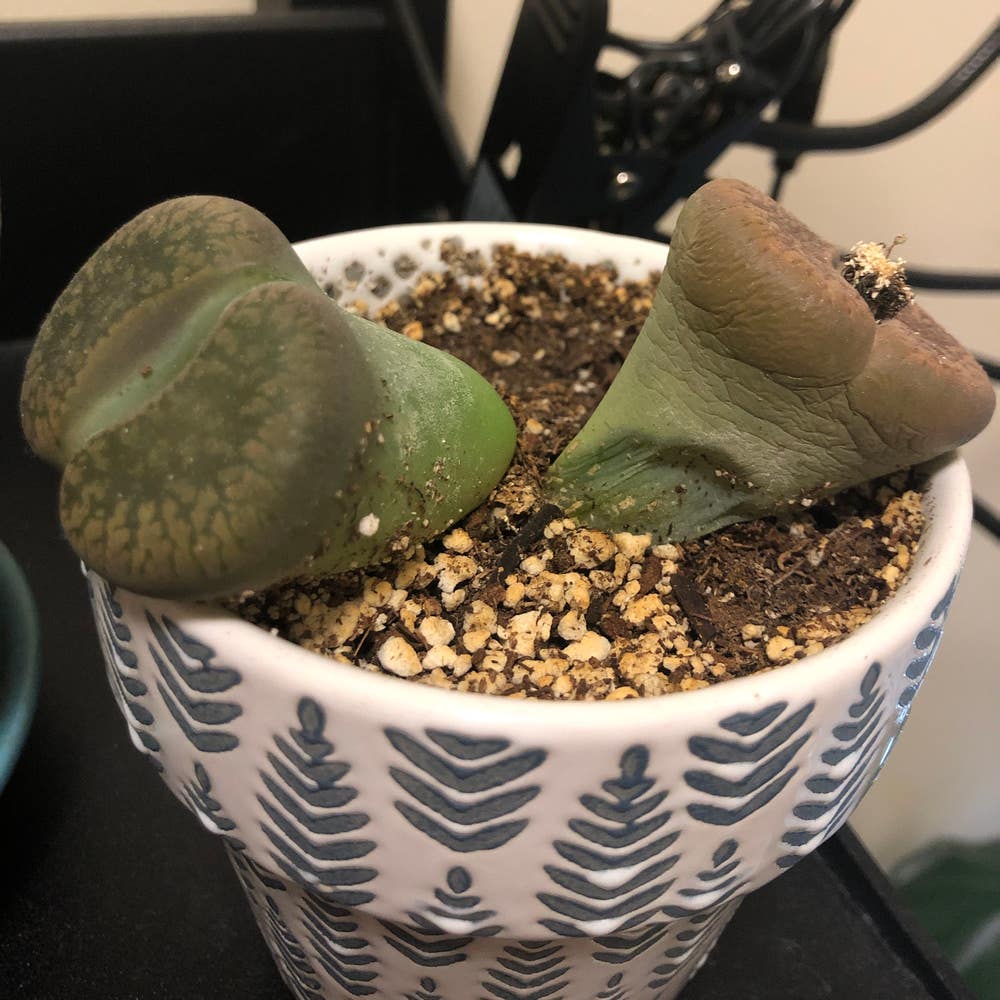
Wrinkles on your lithops? That's their way of saying they're thirsty. But don't get stuck on a schedule; these plants demand you to be observant. A rigid watering routine is a recipe for disaster. Stay flexible and watchful.
When to Hold Back
During dormancy and when leaves are changing, your lithops are on a water diet. Overwatering at this stage is like offering a sleeping person a coffee—unnecessary and problematic. Let the old leaves provide moisture to the new ones; it's a natural process that doesn't need interference.
The Dangers of a Rigid Watering Schedule
Your lithops aren't factory-made; they won't thrive on a strict timetable. Observation trumps routine. Each plant will show signs when it's time to water, and these signs are your best guide. Stick to a rigid schedule, and you might just miss them.

How to Water Your Lithops Correctly
💧 The Right Technique
Watering Lithops is like defusing a bomb; one wrong move and boom—you've got a mushy plant on your hands. Here's the step-by-step guide to doing it right:
- Wait for the right time: Only water when the plant tells you to, which is when the leaves start to wrinkle.
- Go for the soak: Drench the soil until water runs out of the drainage holes, then let it dry completely before the next watering.
- Frequency: This isn't a weekly coffee date. Water every couple of weeks during the growing season, and then take a break during dormancy.
🚱 Avoiding Common Watering Pitfalls
The road to Lithops ruin is paved with good intentions and too much H2O. Here's how to avoid the common watering blunders:
- Target the soil: Water the base, not the leaves, to prevent rot. Think precision, not a splash zone.
- Overwatering: It's the silent killer. If your Lithops looks like it's drowning in despair, it's time to back off on the water. Let the soil dry out a few inches deep—your finger is your best tool for this test.
- Quality control: Use room temperature water. If your tap water is harder than a calculus exam, consider rainwater or filtered water to avoid mineral buildup.

The Perfect Home for Lithops' Roots
🌱 Choosing the Right Soil Mix
Lithops are the minimalists of the plant world; they thrive with less. The ideal soil blend is one that drains faster than a sink with a new pipe. Mix two parts potting soil with one part perlite and one part coarse sand. This trio is like the three musketeers for root health—indispensable. Perlite keeps things airy, while sand adds grit, preventing your Lithops from drowning in soil that's too clingy.
🚰 Drainage: The Unsung Hero
Let's talk pots. They're not just a fashion statement for your Lithops; they're a lifeline. Ensure your pot has drainage holes; this isn't negotiable. It's like giving your plants a fire escape from overwatering. Size is crucial—cozy is the way to go. An oversized pot is a swamp waiting to happen. Keep it snug, and your Lithops' roots will thank you by not rotting away.

Water Quality Matters
💧 The Best Water for Your Lithops
When it comes to water quality, Lithops are as picky as a gourmet chef about their ingredients. The wrong type of water can lead to a culinary disaster—or in this case, a horticultural one.
Temperature is the first checkpoint; room temperature water is like a warm hug for your Lithops. Cold water can shock their roots, much like a surprise ice bath would for you.
🌧️ Rainwater vs. Tap Water
Choosing between rainwater and tap water is like deciding between a home-cooked meal and fast food. Rainwater is the clear winner, free from the harsh chemicals and minerals found in tap water. It's like the organic, farm-to-table option for your succulents.
However, not everyone has the luxury of collecting rainwater. If you're using tap water, let it sit out for a day or two. This allows time for chlorine and other volatile compounds to evaporate—a simple trick to make tap water less of a villain.
🏆 The Verdict
In the end, if your tap water is harder than a diamond in an ice storm, consider alternatives. Filtered or distilled water can be the difference between a thriving Lithops and a sad, withered stone impersonator. Remember, your Lithops' health hinges on the quality of water just as much as the quantity.
⚠️ Safety First
This content is for general information and may contain errors, omissions, or outdated details. It is not medical, veterinary advice, or an endorsement of therapeutic claims.
Always consult a qualified healthcare professional before using any plant as food, medicine, or supplement.
Never eat any plant (or feed one to pets) without confirming its identity with at least two trusted sources.
If you suspect poisoning, call Poison Control (800) 222-1222, the Pet Poison Helpline (800) 213-6680, or your local emergency service immediately.
Spotted an error? Please report it here.
Nurture your lithops' growth 🪴 by using Greg to monitor their unique cycles and get tailored watering advice when those tell-tale wrinkles show up.