What Temperature Does My Living stones Need?
Lithops bromfieldii
By the Greg Editorial Team
Jun 18, 2024•4 min read
This article was created with the help of AI so we can cover more plants for you. May contain errors. See one? Report it here.
Ensure your Living stones flourish by mastering their ideal temperature needs. 🌡️🪴
- 70°F-85°F ideal for Living stones, 10°F cooler at night.
- 🌡️ Watch for shriveling or discoloration, signs of temperature stress.
- Consistent temperature and care ensure thriving Living stones.
Spotting the Signs of Temperature Trouble
🌡️ Visual Distress Signals
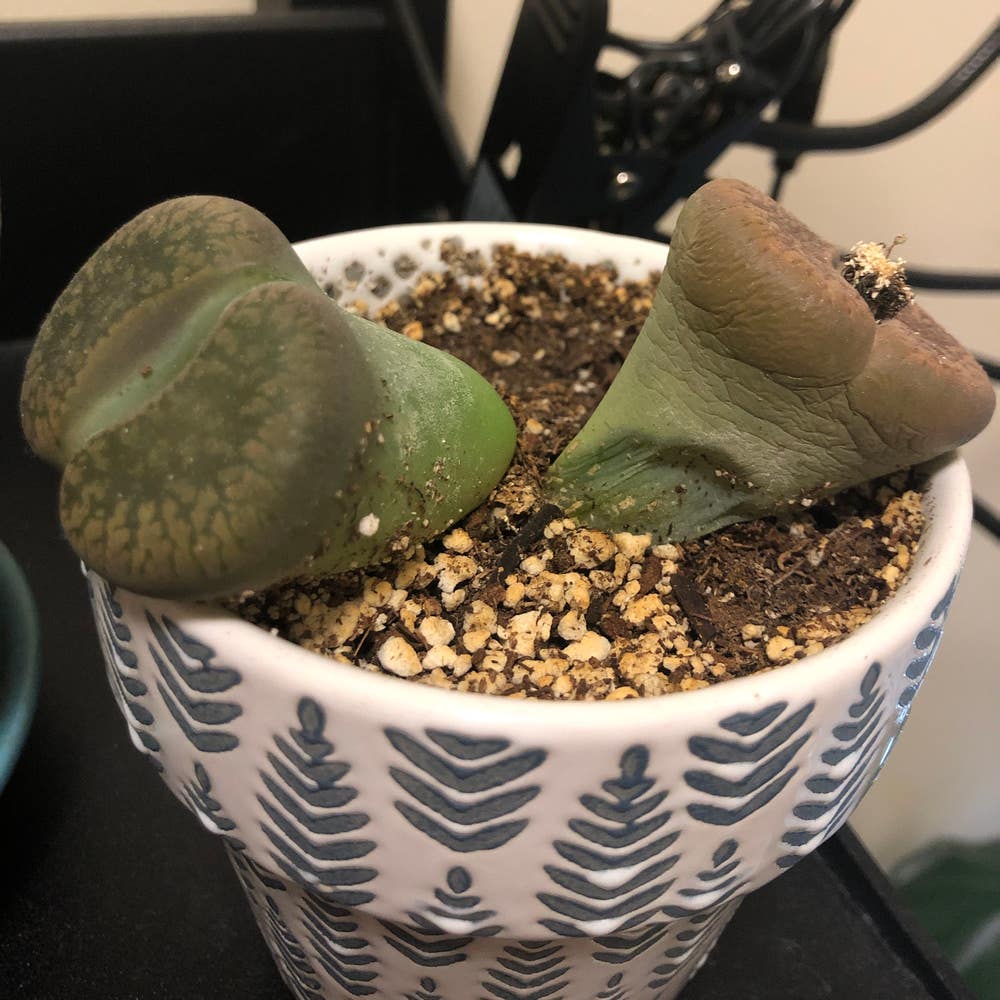
In the world of Living stones, visual cues are your first hint that the temperature isn't quite right. Shriveling or discoloration in these succulents can be as telling as a red light on your car's dashboard. When you notice your Living stones looking less like stones and more like raisins, it's time to reassess their environment.
🌡️ When It's Too Hot or Too Cold
Living stones are as fussy about temperature as Goldilocks was about her porridge. Too hot, and they might sport reddish-purple spots or bleached areas, like a bad sunburn. Too cold, and they can turn mushy or dark, resembling a forgotten apple in the back of the fridge. Stunted growth is another red flag, indicating your Living stones are begging for a climate change.

The Sweet Spot: Ideal Temperature Range for Living Stones
🌡️ Daytime Delight and Nighttime Necessities
Living stones, those masters of mimicry, demand daytime temperatures between 70°F and 85°F (21°C and 29°C). As the sun dips, they prefer a cool-off, with nighttime temps ideally falling about 10°F lower. This mimics their native habitat and keeps them from throwing a fit.
🌬️ Seasonal Shifts
Come winter, these stone impersonators like it chillier, entering a dormancy period where they need less water and cooler temperatures. It's not quite a hibernation, but think of it as their version of a cozy winter nap. Adjust your care routine as the seasons change, and your living stones will thank you by not keeling over.

Turning Up the Heat: Ensuring Your Living Stones Stay Toasty
🏡 Home Sweet (Warm) Home
Indoor care is crucial when the mercury drops. Position your Living stones away from drafty windows to avoid the chill. If you're using a space heater, keep it at a safe distance—think of it as a cozy campfire, not a full-on inferno.
For those with a flair for technology, smart thermostats can be the backstage crew that keeps the temperature consistently warm. And for the outdoor Living stones, think of mulch as a snug blanket, tucking them in against the frosty nights.
🚨 Emergency Warmth Measures
When temperatures plummet unexpectedly, it's all hands on deck. Move your Living stones to a warmer spot pronto, like a plant evacuation drill. If they're outdoors and relocation isn't an option, deploy a patio heater or a temporary cover to fend off the cold.
Remember, these succulents are like little rock stars—they don't enjoy an ice bath. So, when a cold snap hits, it's time to turn up the heat, but subtly. A gentle heat source or even a temporary shield from the wind can make all the difference. Keep it simple, keep it safe, and your Living stones will keep on thriving.

When the Heat is On: Dealing with Temperature Stress
🔥 First Response to Stress
Immediate actions are critical when you detect temperature stress in your Living stones. If your plant is showing signs of heat stress, such as reddish-purple spots or areas that appear bleached, it's time to cool it down. Move the plant to a shadier spot and increase air circulation around it. Conversely, if your Living stones are too cold, exhibiting a "popsicle" look, you need to warm them up. Relocate them to a warmer area, away from drafts, and consider wrapping the pot in bubble wrap for insulation.
🌡️ Long-Term Recovery
For a long-term recovery, start by pruning any damaged areas to prevent decay from spreading. Adjust your watering habits to ensure a balance; overwatering can be as harmful as underwatering, especially when your Living stones are vulnerable. Keep a close eye on the temperature, making sure it stays within the ideal range for your plant. To maintain a stable environment, invest in smart home devices like thermostats or use heating mats and shade cloths as needed. Remember, consistency is key to recovery; avoid exposing your Living stones to sudden temperature changes.
⚠️ Safety First
This content is for general information and may contain errors, omissions, or outdated details. It is not medical, veterinary advice, or an endorsement of therapeutic claims.
Always consult a qualified healthcare professional before using any plant as food, medicine, or supplement.
Never eat any plant (or feed one to pets) without confirming its identity with at least two trusted sources.
If you suspect poisoning, call Poison Control (800) 222-1222, the Pet Poison Helpline (800) 213-6680, or your local emergency service immediately.
Spotted an error? Please report it here.
Keep your Living stones in their ideal comfort zone 🌡️ with Greg's custom care plans that monitor and remind you of the perfect temperature settings.