🪨 Propagating Lithops: Step-by-Step Guide
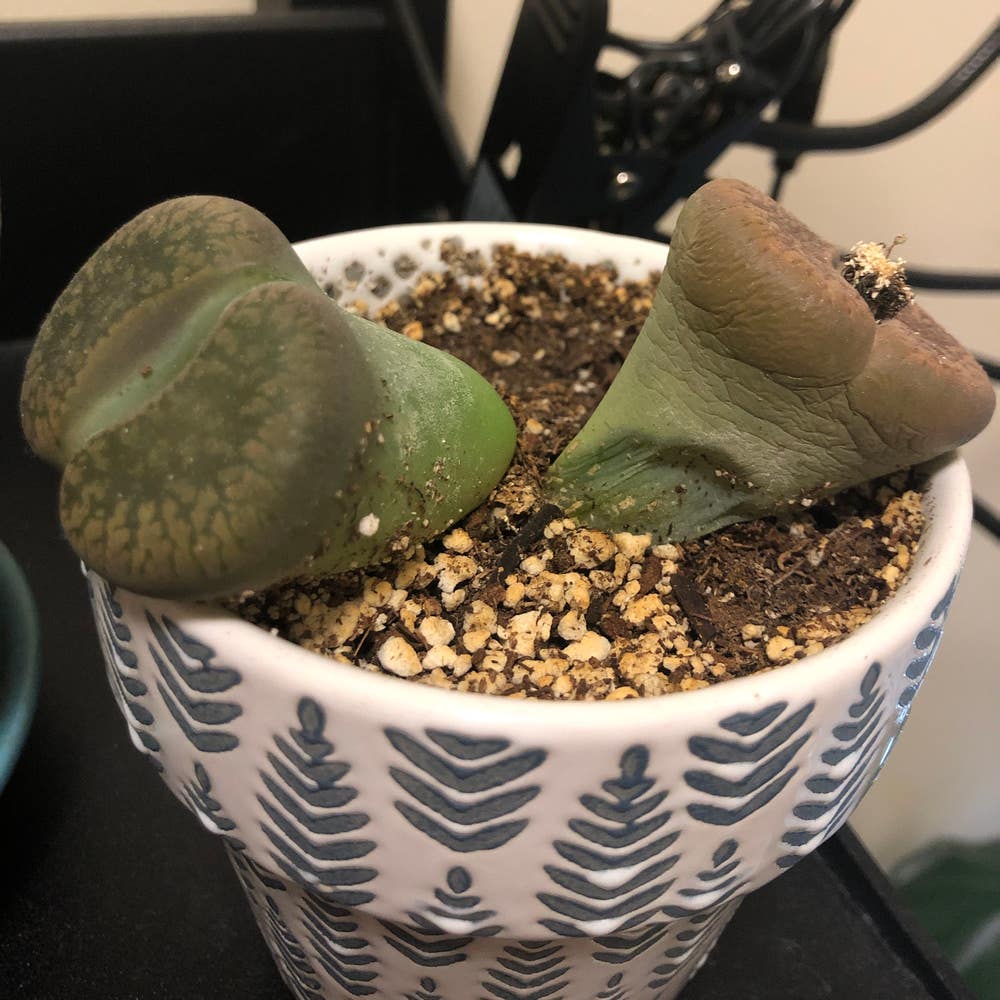
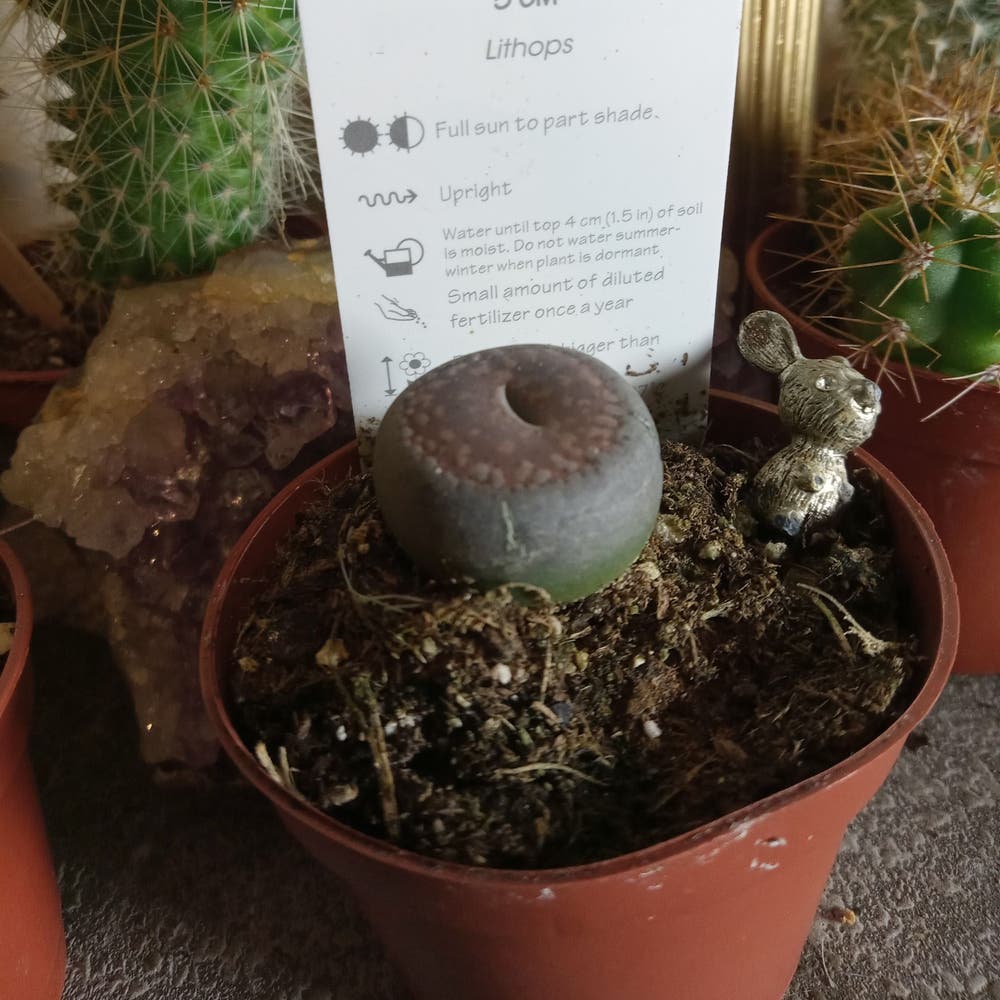
Lithops bromfieldii
By the Greg Editorial Team
Jun 18, 2024•11 min read
This article was created with the help of AI so we can cover more plants for you. May contain errors. See one? Report it here.
Cultivate a diverse Lithops garden 🌵 from the ground up with our expert propagation steps!
- Division, seed, and grafting are key Lithops propagation methods.
- Proper tools and conditions essential for successful propagation.
- Aftercare is crucial for healthy growth and overcoming challenges.
Tools and Materials for Propagation
Gearing up for Lithops propagation requires a specific toolkit. Let's dive into the essentials.
💼 Essential Tools
- Gloves: Protect your hands, especially when handling Lithops with sharp edges.
- Cell Trays or Flats: Ideal for starting seeds or leaf cuttings in confined spaces.
- Sharp Shears: Keep two pairs handy for precision cuts without damaging plant tissues.
- Knife: A sturdy knife is indispensable for tougher plant parts, always sheathed for safety.
🛠️ Materials for Success
- Soil: A light, well-draining mix is non-negotiable. Think equal parts potting soil and perlite.
- Containers: Ensure they have drainage holes to prevent waterlogged Lithops roots.
- Rooting Hormone: Optional, but can encourage faster root development.
🌱 Pro Tips
- Sterilize: Always use clean tools to prevent disease spread.
- Potting Mix: Customize your mix with coarse sand or pumice for added drainage.
- Patience: Lithops take time to grow; don't rush the process.
Remember, the right equipment sets the stage for propagation success. Keep it simple, keep it safe.

Division Propagation
In the world of Lithops, division propagation is like performing surgery: precision is key. This method leverages the plant's natural clumping tendency to create new, independent plants.
🛠️ Preparing for Division
First, ensure you have the right tools: sharp, sterilized scissors or a knife, and pots with a well-draining soil mix. Timing is crucial; early spring, when plants awaken from dormancy, is ideal.
🪓 The Division Process
Gently remove the Lithops cluster from its pot, taking care not to damage the taproot. Brush away excess soil for a clear view of the plant's base.
Step-by-Step Division
- Identify natural separations between the heads of the Lithops. These are your division lines.
- With a steady hand, cut through the roots to separate the heads, ensuring each new plant has its own root system.
- Plant each division in its own pot, burying the roots deep enough to support the taproot's growth.
💧 Post-Division Care
Water sparingly, mimicking the Lithops' natural arid habitat. Overwatering is a common misstep; let the soil dry completely between waterings. Keep the young plants in bright, indirect light and hold off on fertilizing until they've established.
💡 Division Tips
- Healthy roots make for a successful division. If the roots look weak, consider postponing.
- Larger divisions recover faster, but smaller ones increase your plant count.
- Patience is a virtue. Allow the divisions time to acclimate before expecting growth.
Remember, each division is a clone of its parent, preserving those quirky, stone-like characteristics we adore in Lithops.

Seed Propagation
🌼 Gathering Seeds
Collecting seeds from your Lithops should be done after the flowers have been pollinated and the fruit has matured. It's a waiting game, but patience pays off. Once the fruit is dry, it's time to harvest.
🌱 Sowing Seeds
Sow the seeds on well-draining soil, a mix of sand and compost, to mimic their natural gritty habitat. Cover them with a whisper of sand; they're not fans of deep burial. Moisture is crucial, but it's a delicate balance—keep the soil lightly moist to coax them out of dormancy without causing a flood.
🌡️ Germination Factors
Temperature and light are your seeds' best friends for germination. Warmth is a non-negotiable, and bright, indirect light is the sweet spot. Don't let the soil go Sahara on you; consistent moisture is key until those first shy seedlings make an appearance.
🌱 Post-Germination Care
Once germinated, your baby Lithops will test your nurturing skills. They grow slower than a snail on a lazy day, so patience is still the name of the game. Keep them in a controlled environment, away from harsh sunlight, and resist the urge to overwater. Think of it as the ultimate exercise in restraint.
💡 Pro Tips
- Quality seeds matter. Don't skimp; get them from a reliable source to avoid a germination guessing game.
- Label your pots. It's easy to forget what's where when you're playing the long game.
- Patience (yes, again). These living stones won't rush for anyone. Embrace the slow growth as part of the charm.
Real Talk
Seed propagation isn't for the faint of heart. It's a slow, meticulous process that can test the limits of your green thumb. But when those tiny, stone-like plants finally emerge, it's a triumph. Welcome to the slow yet satisfying world of growing Lithops from scratch.

Grafting Techniques
Grafting isn't your everyday Lithops propagation trick, but it's a nifty shortcut for the patient gardener. It's like giving your Lithops a leg-up in the world, bypassing the slow solo journey of seed or division propagation.
🌱 The Grafting Lowdown
Grafting involves fusing your Lithops to a hardier rootstock, which can offer faster growth and a sturdier plant. It's a bit like a botanical transplant, with your Lithops playing the part of the pampered organ recipient.
🛠 Step-by-Step Grafting
- Choose Your Rootstock: Pick a robust and compatible succulent. Think of it as selecting a trusty steed for your Lithops knight.
- Prep the Rootstock: Slice the top off your chosen succulent to create a flat surface. This is where your Lithops will sit, so keep it clean and even.
- Prepare the Scion: That's your Lithops. Cut its base to create a flat surface that will meld with the rootstock.
- Unite Them: Place the flat base of your Lithops onto the freshly cut surface of the rootstock. It's a delicate dance, so no two-left-feet shenanigans.
- Secure the Bond: Use a rubber band or grafting tape to hold the Lithops in place. It's like setting a broken bone; alignment is key.
- Aftercare: Keep the grafted pair in a shaded area to avoid stress. Water sparingly, and whisper sweet nothings to encourage a successful union.
Remember, grafting is not for the faint of heart. It's the plant equivalent of performing surgery. But get it right, and you've got a Lithops that's turbocharged by its new rootstock buddy.
Ideal Growing Conditions for Propagated Lithops
🌞 Light Requirements
Bright light is non-negotiable for thriving Lithops. Aim for a spot that gets 4-5 hours of sunlight, preferably morning rays with afternoon shade. Youngsters need a gentler touch; keep seedlings shielded from direct sun.
🌡️ Temperature and Climate
Lithops love it warm, with ideal temps between 18-24°C. They'll take the heat but draw the line at freezing—no frost, please. Ensure a stable environment to avoid shocking these stone mimics.
💧 Watering Wisdom
Less is more when it comes to watering Lithops. Their leaves are mini reservoirs, so twice a month in summer does the trick. Winter? They're dormant, so hands off the watering can.
🏜️ Soil and Drainage
Drainage is king. Mix in sand or pumice for a soil that dries out within a day or two post-watering. Wet feet are a no-go for these desert dwellers.
🍽️ Fertilizing
Go easy on the nutrients. A diluted cactus fertilizer during bloom time is all they ask for. Overfeeding? That's a recipe for a stretched-out, pale Lithops.
🌱 Repotting Rituals
Only repot when it's a must, and do it when they're waking up in May. Make sure the roots are ready for their new digs.
Remember, Lithops are the low-maintenance friends you didn't know you needed. Treat them right, and they'll be the rock stars of your plant collection.
Aftercare and Maintenance of Propagated Lithops
💧 Initial Aftercare
Watering: Your baby Lithops are not camels, even though they're desert dwellers. Wait for the soil to dry out completely before you even think about watering. When you do, it's a soak-and-dry method—think of a desert thunderstorm followed by weeks of nothing.
Light: Treat them like a vampire at a tanning salon—gradually introduce them to bright light. Too much sun too soon, and they'll sunburn. Too little, and they'll stretch out like they're reaching for the last cookie on the top shelf.
🛠 Long-Term Maintenance
Repotting: Don't be a helicopter plant parent; repot only when necessary. If they're cozy and not bursting at the seams, let them be. May is the sweet spot for giving them a new home, but only if they've got a solid root system.
Temperature: Keep them cool during a heatwave. They can't sweat it out like we do, so ensure they're not cooking in their pots.
Pests: Watch out for the sneaky root mealybugs. If you spot these party crashers, a gentle rinse with a mild insecticide should show them the door. Remember, we're not trying to start an insect apocalypse, so go easy on the chemicals.
Soil: Think of their soil like a bed at a five-star hotel—it needs to be just right. A well-draining mix is their memory foam mattress. Too much water retention, and they'll be sleeping with the fishes.
🌱 Pro Tips
- Fertilizing: They're not greedy feeders, so a light sprinkle of nutrients during the growing season will suffice. It's like seasoning food—too much, and you'll ruin the dish.
- Observation: Keep an eye on them like a detective on a stakeout. Changes in color or shape can give you clues about their needs.
- Patience: Remember, Lithops are the marathon runners of the plant world. They take their sweet time growing, so don't rush them. They'll bloom when they're good and ready.
By following these guidelines, your Lithops will not only survive but thrive, like a cactus at a water park—enjoying the splashes but not staying in the pool too long.
Benefits of Propagating Lithops
Diversity is the spice of life, and this rings true for Lithops propagation. By choosing to propagate these living stones, you're not just cloning; you're creating a mosaic of succulent diversity. Each new Lithop carries its own unique pattern, much like a fingerprint, contributing to a visually stunning collection.
Sustainability is another cornerstone of propagation. Rather than continually purchasing new plants, propagation allows you to multiply your Lithops sustainably. It's a 🌱 green thumb's dream: reducing demand on wild populations and fostering a self-replenishing supply of these quirky succulents.
Sharing is caring, and propagating Lithops makes it easy to spread the joy. These plants are perfect for gifting to friends and fellow enthusiasts, creating a community of Lithops lovers. Plus, it's a subtle brag about your propagation prowess.
Educational value can't be overlooked. Propagating Lithops is a hands-on biology lesson, revealing the intricacies of plant growth and reproduction. It's a 🔬 living lab on your windowsill, providing insights into the resilience and adaptability of these desert dwellers.
Lastly, let's talk economics. Propagating your own Lithops is undeniably cost-effective. With patience and a bit of skill, you can turn a single plant into a veritable Lithops legion, all without breaking the bank. It's the ultimate win-win for plant enthusiasts on a budget.
Common Challenges and Troubleshooting
💧 Overwatering
Overwatering is the archenemy of Lithops. Signs include yellow, mushy leaves and root rot. If you suspect overwatering, adjust your watering routine immediately. In severe cases, repotting may be necessary to give your Lithops a fresh start.
🌱 Etiolation
Lithops stretching out? That's etiolation, a cry for more light. Increase lighting exposure to help them compact back into their characteristic pebble-like shape.
🐛 Pests and Diseases
These succulents can fall prey to pests like spider mites and mealybugs, especially when overwatered. Treat with appropriate insecticides or natural remedies and adjust watering to prevent future infestations.
🌱 Soil and Repotting
Lithops thrive in well-draining soil. If they outgrow their container or the soil is problematic, repot during the growing season. Ensure roots are developed, typically after 2 years.
🌞 Temperature and Light
Excessive heat can be fatal, and low light levels can lead to rot. Maintain a cool environment and provide bright, indirect light. Avoid direct, scorching sunlight.
💧 Watering Schedule
Lithops have a unique watering schedule, often dormant in high temperatures. Water during cooler months and ensure the soil is dry before watering again. Overwatering is a common mistake; be vigilant.
🌱 Seedling Care
Seedlings are delicate and vulnerable. Protect them from harsh conditions and don't expect flowers until they're at least two to three years old. Patience is key with these slow growers.
🍄 Fungal Issues
A mild fungicide can prevent rot, especially in less-than-ideal conditions. Mix it into the water sparingly to keep fungi at bay.
🔄 Growth Stages
Potting multiple Lithops together can be problematic if they're at different growth stages. Familiarize yourself with their cycles before combining them in one container.
💧 Watering Post-Leaf Shed
After old leaves have dried up, it's safe to water deeply. This usually occurs in late spring to early summer. Water sparingly and only if the plant shows signs of wrinkling.
By addressing these common challenges with a proactive and informed approach, you'll be on your way to successfully propagating and maintaining healthy Lithops. Remember, these living stones require a unique care regimen that differs from other succulents. Stay observant and responsive to their needs, and your Lithops will reward you with their otherworldly beauty.
⚠️ Safety First
This content is for general information and may contain errors, omissions, or outdated details. It is not medical, veterinary advice, or an endorsement of therapeutic claims.
Always consult a qualified healthcare professional before using any plant as food, medicine, or supplement.
Never eat any plant (or feed one to pets) without confirming its identity with at least two trusted sources.
If you suspect poisoning, call Poison Control (800) 222-1222, the Pet Poison Helpline (800) 213-6680, or your local emergency service immediately.
Spotted an error? Please report it here.
Propagate your Lithops successfully with Greg's 🌱 custom reminders for watering and light, ensuring each new succulent thrives from this step-by-step guide!