🪨 When and Where Should I Trim My Lithops?
Lithops bromfieldii
By the Greg Editorial Team
Jun 18, 2024•8 min read
This article was created with the help of AI so we can cover more plants for you. May contain errors. See one? Report it here.
Achieve thriving Lithops with our guide on species-specific trimming for health and propagation! 🌵✂️
- Species-specific approach is crucial for trimming Lithops effectively.
- Avoid trimming during flowering or extreme weather for plant health.
- Trimming aids in propagation and preventing rot, enhancing well-being.
Understanding Lithops Trimming Techniques
Trimming Lithops isn't your average snip-snip affair. Each species demands its own playbook. Some are tough as nails, others, not so much.
🌱 Techniques Tailored to Varieties
The leaf thickness and growth patterns of your Lithops are like fingerprints—unique. A one-size-fits-all approach just won't cut it.
📖 Know Before You Trim
Before you go Edward Scissorhands on your Lithops, pause. Understanding their needs is like reading the manual before you assemble that Swedish bookshelf. It saves you from a world of hurt.
🔄 The Lithops Lifecycle
These plants have an annual cycle that's as predictable as tax season. They're not fans of summer showers, so keep the watering can at bay when the heat cranks up.
🏜️ Substrate and Seasons
Your Lithops' bed—aka the substrate—is a big deal. Think 90% pumice and filter sand, and only a sprinkle of soil. It's like their own personal memory foam mattress.
🌱 The Root of the Matter
Controversial or not, sometimes you gotta trim the roots. Sterile scissors in hand, aim for 2 to 3 cms. It's like giving your plant a fresh pair of running shoes.
💇 Trimming: Not Just for Looks
Sure, trimming can turn your Lithops into a showpiece, but it's not just about good looks. It's about dodging rot and keeping them happy.
Remember, trimming Lithops is more art than science. It's a dance with nature, and you're leading. So, get to know your partner before you tango.

Trimming Methods for Different Lithops Varieties
🌵 Overview of Trimming Techniques
Lithops, those quirky mimicry plants, have varied needs when it comes to trimming. Each species, from the creamy 'lesliei' to the dotted 'terricolor', has adapted to its unique environment, which influences its care, including trimming.
🍃 Adapting to Leaf Characteristics
Leaf thickness and growth patterns dictate how you approach the snip. For instance, a thicker-leafed Lithops may withstand a more assertive trim, while its thinner-leafed cousin requires a gentler touch.
🌸 Species-Specific Tips
For the 'hookeri' variety, known for its robustness, you might dare to trim a bit closer. On the other hand, the delicate 'helmutii' will thank you for a lighter hand.
🌱 Trimming During Growth Cycles
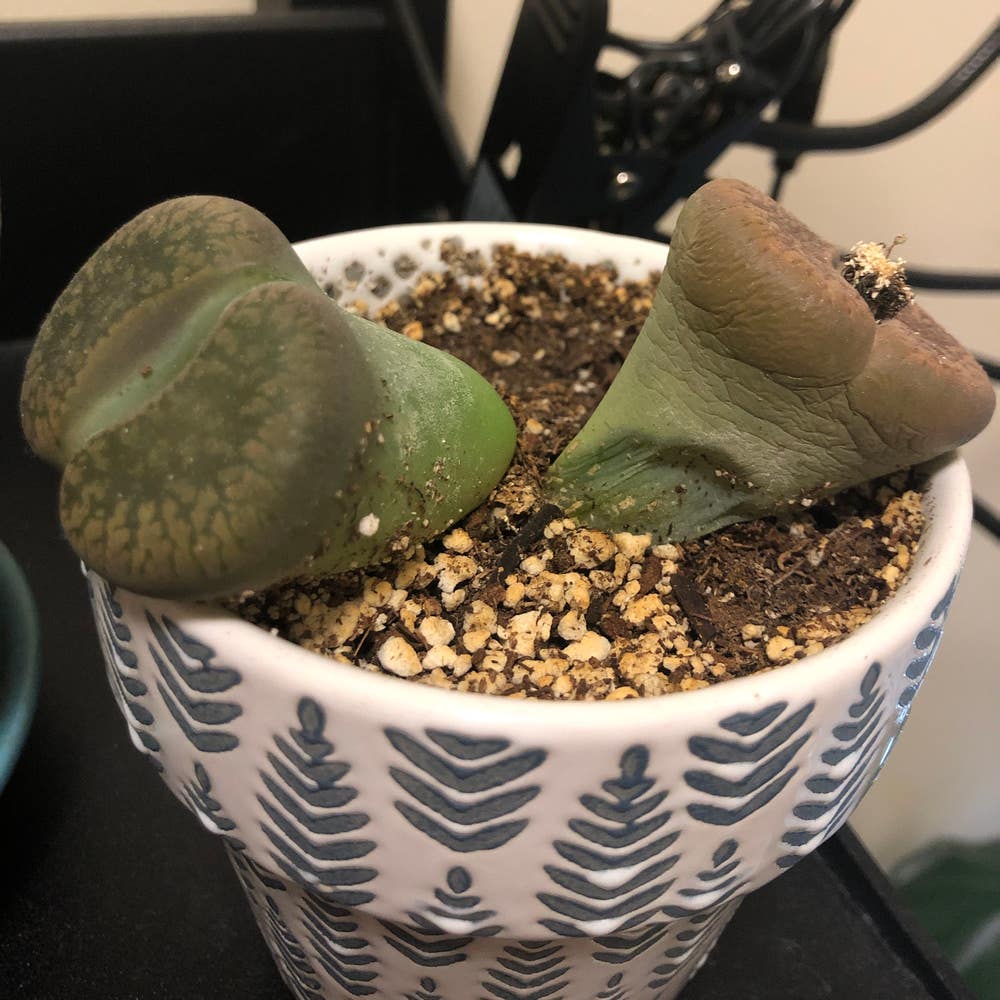
Timing is everything. When new leaves emerge, the old ones are on their way out. This natural cycle is your cue for trimming, as the plant reabsorbs nutrients from the old leaves. Wait for the shrivel, then trim the papery remnants to maintain tidiness.
🛠 Tools of the Trade
Forget those hefty garden shears; Lithops require precision. A pair of sterilized small scissors or even nail clippers can do the trick, ensuring a clean cut without damaging these succulent treasures.
🌿 Trimming for Health
Regular trimming, aligned with the Lithops' growth cycle, can prevent disease and promote healthy growth. It's about more than aesthetics; it's about the plant's well-being.
🚫 The No-Nos
Never trim a healthy leaf. It's like taking scissors to a perfectly good pair of shoes – unnecessary and harmful. And during summer dormancy, hands off. Lithops and water are not friends during the heat; the same goes for trimming.

Special Considerations for Trimming Lithops
🌸 When Flowering or Facing Extreme Weather
Trimming Lithops demands sensitivity to their unique life cycle, particularly during flowering or extreme weather. When these succulents bloom, it's best to hold off on any trimming to avoid stressing the plant. Similarly, during intense heat waves or cold snaps, Lithops are focused on survival, not growth, so keep those scissors at bay.
🌵 Adapting Trimming to Lithops' Needs
Adjusting your trimming technique is crucial for Lithops facing special circumstances. If you must trim during these sensitive periods, be gentle and minimalistic. Remove only what's necessary, such as dead or damaged leaves, to prevent potential harm to the plant's health.
🍂 Trimming During Leaf Renewal
During the leaf renewal phase, Lithops absorb moisture from their old leaves. Avoid trimming at this time to prevent disrupting this natural process. If you encounter the rare need to remove old leaves, wait until they're papery thin and pose no risk of depriving the new leaves of nutrients.
🌦 Trimming in Humid Climates
In humid regions, trimming may help prevent moisture-related issues. However, ensure you're not overdoing it; Lithops are self-sufficient and often require less intervention than we think. A light touch can go a long way in maintaining plant health without overstepping.
🐜 Trimming and Pest Management
If you spot pests like root mealybugs during a trim, address them immediately with appropriate treatments. Be mindful of the environmental impact of any chemicals used and always prioritize the well-being of beneficial insects like bees.
💧 Trimming and Watering
Post-trim, resist the urge to water your Lithops as a form of TLC. These plants prefer a dry environment, and unnecessary watering can do more harm than good, especially if the soil doesn't dry out quickly enough.
☀️ Trimming and Light Exposure
Lastly, ensure your trimmed Lithops receive adequate light, but not too much. Overexposure to direct sunlight, especially after trimming, can stress the plant. Aim for a spot that offers bright, indirect light to keep your Lithops thriving.

Enhancing Lithops Beauty through Trimming
Trimming isn't just about health; it's a styling tool for your Lithops. By removing old, dry skin, you're not just speeding up growth; you're giving your plant a makeover. In the wild, this skin is like sunscreen, but at home, it's an aesthetic choice.
✂️ Shaping Your Living Stones
Symmetry is pleasing to the eye, and Lithops are no exception. Trim carefully to maintain a balanced look, but remember, these are living stones, not bonsai—less is more.
🎨 Maintaining Visual Appeal
To keep your Lithops looking sharp, use a brush or tweezers to gently remove dead skin. This isn't just about vanity; it's like peeling off that winter coat to let your plant breathe and soak in the sun.
💇 Trimming for Aesthetics
Don't go Edward Scissorhands on your Lithops. A light touch can enhance patterns and colors, making each plant a standout piece in your collection. Remember, your goal is to accentuate their natural beauty, not to carve them into topiaries.
📌 Tips for Trimming Success
- Always use clean, sharp tools to avoid damaging the plant.
- Trim during periods of dormancy, early spring or late summer, to avoid interrupting growth.
- Allow cut roots to callus over for a few days before replanting to prevent rot.
- Repot in well-draining soil to let your Lithops flaunt their new look without stress.
Trimming for Propagation Purposes
🌱 Step-by-Step Propagation Guide
- Select a healthy Lithops with a robust leaf pair. This is your goldmine for propagation.
- Sterilize your tools. A sharp knife or pair of scissors will do the trick.
- Gently extract the plant from its pot, being mindful of the taproot.
- Identify the leaf pair and make a clean cut to separate them, ensuring each has a portion of the root system.
- Allow the cuts to callous over for a few days to prevent rot.
- Plant each leaf pair in well-draining soil, mimicking the depth they were at previously.
- Water sparingly, as these succulents thrive on neglect.
- Patience is key. Lithops take their sweet time to establish and grow.
Remember, not all leaves are destined for greatness. Some may not take root, but that's just the roll of the dice with propagation. Keep trying, and soon you'll have a miniature desert of your own making.
Adapting Trimming Techniques for Optimal Health
Trimming isn't just about aesthetics; it's a vital health check-up for your Lithops. By adapting your trimming techniques, you can boost your plant's health and prevent issues before they arise.
✂️ The Right Cut
Sharp, clean tools are non-negotiable. Dull blades can damage tissues, making Lithops vulnerable to infections. Always cut above the new growth, not into it, to encourage a strong and healthy recovery.
⏰ Timing is Everything
Trim during the plant's dormant phase, typically in late summer or early spring. This allows the plant to heal without diverting energy from active growth periods.
🌱 Root of the Matter
Trimming roots? Do it sparingly. Shorten excessively long roots to promote new growth, but avoid overdoing it. Remember, a Lithops with trimmed roots needs time to callus before replanting.
🐜 Proactive Pest Control
Trimming can expose pests like root mealybugs. If you spot them, treat immediately with a suitable insecticide, but be mindful of beneficial insects in your garden.
💧 Water Wisely
After trimming, water your Lithops sparingly. Overwatering can lead to rot, especially in freshly trimmed plants. Let the soil dry between waterings to encourage strong root development.
☀️ Light It Up
Ensure your Lithops gets enough light post-trim. Adequate light helps prevent etiolation, where the plant stretches unnaturally due to poor lighting conditions.
🧼 Keep It Clean
Remove dead material to prevent disease spread and promote better light absorption. But if your Lithops lives outside, consider leaving some natural protection against intense sunlight.
By tailoring your trimming techniques, you're not just playing gardener; you're playing doctor. A little snip here and there keeps your Lithops robust, ready to face the world with its best leaf forward.
⚠️ Safety First
This content is for general information and may contain errors, omissions, or outdated details. It is not medical, veterinary advice, or an endorsement of therapeutic claims.
Always consult a qualified healthcare professional before using any plant as food, medicine, or supplement.
Never eat any plant (or feed one to pets) without confirming its identity with at least two trusted sources.
If you suspect poisoning, call Poison Control (800) 222-1222, the Pet Poison Helpline (800) 213-6680, or your local emergency service immediately.
Spotted an error? Please report it here.
Keep your Lithops thriving with precision ✂️ by using Greg to guide you on when and how to trim, ensuring their health and beauty without the guesswork.