How Much Humidity Does My Lithops Need?
Lithops bromfieldii
By the Greg Editorial Team
Jun 18, 2024•6 min read
This article was created with the help of AI so we can cover more plants for you. May contain errors. See one? Report it here.
Discover the secret to flourishing Lithops with the ideal humidity guide—no more guesswork! 🌵💧
- Lithops thrive at 40-50% humidity, mimicking their arid native habitat.
- 🌵 Use hygrometers to monitor and manage ideal humidity levels.
- Air circulation and well-draining soil combat high humidity challenges.
Lithops and Their Humidity Preferences
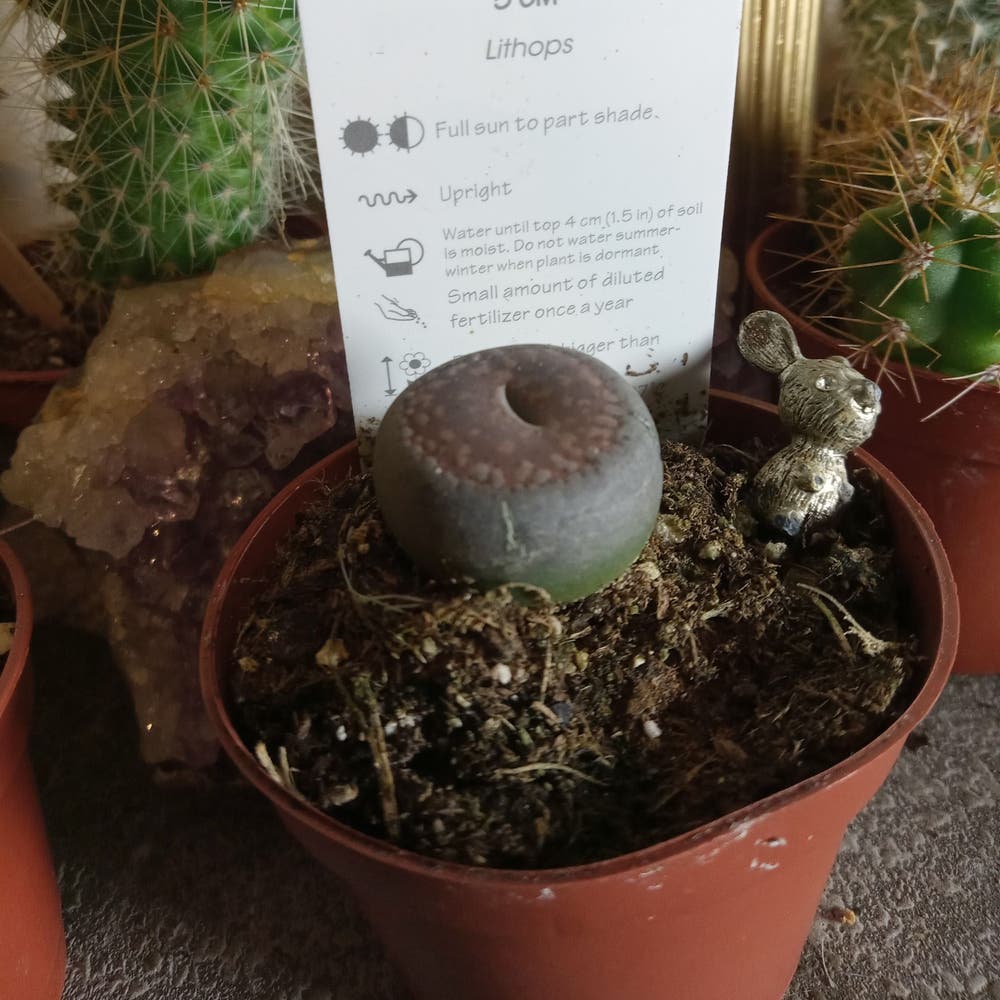
Lithops, those quirky mimicry plants, crave dryness like a cat avoids water. In their native habitat, think sun-baked stretches of Southern Africa, they've evolved to thrive in conditions that would make other plants throw in the towel. Ideal humidity? Picture a desert's breath, somewhere between 40-50% relative humidity. This range is the sweet spot, keeping their succulent leaves plump without tipping the scales towards rot.
💧 Absolute vs. Relative Humidity
Absolute humidity is the water content in the air, but it's the relative humidity that Lithops keep a stony eye on. It's a percentage that measures the current water vapor in the air relative to the maximum it can hold at that temperature. Why care? Because Lithops are all about balance. Too much moisture and they're on a slippery slope to fungal fiestas and root rot. Keep it arid, keep it light, and your Lithops will reward you by not kicking the bucket.

Assessing Your Local Humidity for Lithops
Understanding your local humidity is key to Lithops survival. These desert denizens demand conditions akin to their arid homeland.
🌵 Measuring Humidity
Hygrometers are your secret weapon. They'll give you the lowdown on how much moisture is hanging out in the air.
- Place the hygrometer near your Lithops, but dodge direct sunlight or drafts.
- Record the humidity at various times to get the full picture.
- Compare different rooms to find your Lithops' happy place.
🔍 Reading the Signs
Lithops will tell you when they're not vibing with the humidity. Look for clues: are they wrinkling or looking deflated? Time to check the numbers.
🏜️ Adapting to Your Environment
If you're living in a moisture-rich zone, your Lithops might need a little extra love. A well-draining soil mix is non-negotiable.
- Ventilation is vital. An oscillating fan can be a game-changer in humid conditions.
- Avoid soggy situations. Lithops loathe lingering dampness.
🌟 Pro Tips
- Digital hygrometers are the MVP for ease and accuracy.
- Observe your Lithops. Changes in appearance are your cue to act.
- Adjust your care routine to match the rhythm of your local humidity.

Managing Humidity for Healthy Lithops
Maintaining low humidity is crucial for the well-being of your Lithops. Here's how to keep the air just right for these resilient succulents.
💧 Tips for Low Humidity
Avoid water-retentive substrates; choose materials like pumice or coarse sand that promote quick drying. Ensure your pots have adequate drainage holes to prevent water from pooling at the bottom. If you're into decorative top covers, think again—they might look nice but can hinder evaporation. Keep your Lithops away from moisture-loving companions; they're not the social type when it comes to watering needs.
💨 Air Circulation is Key
Good air flow is like a breath of fresh air for your Lithops—literally. Position them where the air isn't stagnant; an oscillating fan can work wonders, especially in humid climates. Just don't let the fan blast directly on them; they're not trying to win a wind resistance contest. And remember, ventilation is your friend, but direct drafts from air conditioners or heaters are not. Keep it breezy, not blustery.

Humidity's Effect on Lithops Flowering and Growth
💧 Ideal Humidity for Lithops Flowering
Proper humidity is crucial for Lithops as they enter their flowering stage. These succulents prefer arid conditions, with humidity levels ideally between 40-50%. This range supports their health and encourages the flowering cycle, allowing them to bloom with their characteristic vibrancy.
🌧 Consequences of Incorrect Humidity Levels
High humidity can be a death sentence during Lithops' flowering period. Excessive moisture in the air can lead to bud rot, where the emerging flowers decay before they even get a chance to open. It's like throwing a wet blanket over a campfire; you're just not going to get the warm, fuzzy vibes you're looking for.
💨 Air Circulation: The Unsung Hero
Don't underestimate the power of good air flow. It's the silent guardian that wards off the specter of stagnation. Air circulation is key in managing humidity levels, especially in areas that feel like you're breathing through a wet sponge. An oscillating fan can be your best ally, keeping the air moving and the moisture at bay.
💃 Humidity and Growth: A Delicate Dance
Lithops growth can be stunted by incorrect humidity levels. Too dry, and you'll find your Lithops wrinkling up like a prune. Too moist, and they might get all puffy and rot from the inside out. It's a delicate dance, like trying to balance on a tightrope while juggling water balloons.
🕵️ Monitoring: Your Secret Weapon
Stay vigilant. Monitor humidity regularly with a hygrometer, because guessing games are best left for trivia night, not plant care. Adjust your care routine as needed to maintain that sweet spot of dryness that Lithops love. It's like tuning a guitar; you've got to keep checking to hit the perfect note.
Addressing High Humidity Challenges
🌵 Identifying Signs of Excessive Humidity in Lithops
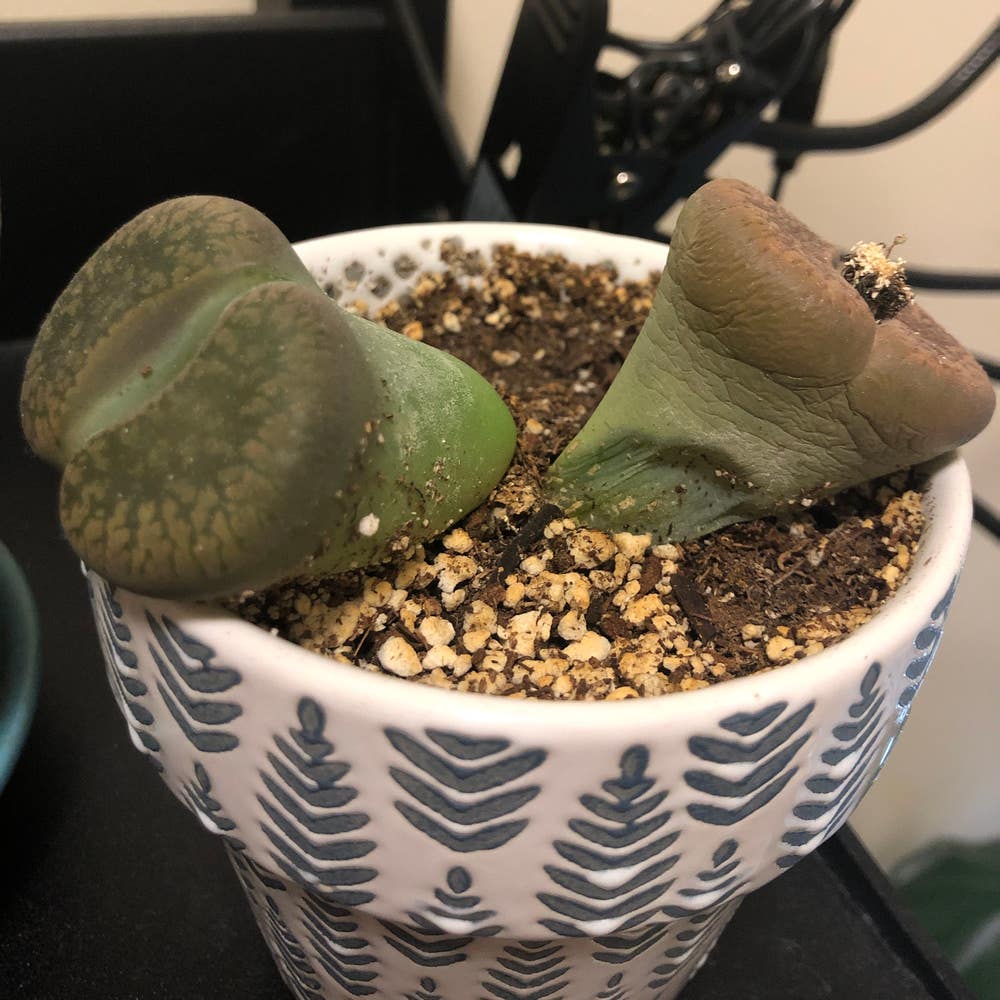
Softness and discoloration are telltale signs your Lithops might be throwing a wet party they can't handle. If your plant is getting squishy or you're catching a whiff of something foul, it's time to intervene. Watch out for any unusual leaf transparency or a sudden lack of firmness—these are your Lithops' way of crying out for a drier climate.
🌬 Solutions for Reducing Humidity
Air Circulation
Get an oscillating fan to stir the air like a good pot of soup. It's not just about creating a breeze; it's about keeping moisture on the move so it doesn't settle down and make itself at home.
Soil and Potting
Make sure your Lithops' pot drains faster than a colander. Pair that with a well-draining soil mix, and you've got a dynamic duo fighting against soggy roots.
Environmental Control
If you're living in a place where the air feels like a wet blanket, consider a dehumidifier. It's like giving your Lithops their own personal desert.
Strategic Watering
Water your Lithops like you're diffusing a bomb—carefully and not too often. When you do, avoid the leaves and aim for the soil, making it a covert operation.
Protective Measures
If your Lithops have suffered an injury, let the wound dry out in a room with good air movement. Think of it as a desert spa for your plant's boo-boos.
By keeping these strategies in play, you'll ensure your Lithops won't drown in airborne moisture. Remember, they're stone mimics, not fish.
⚠️ Safety First
This content is for general information and may contain errors, omissions, or outdated details. It is not medical, veterinary advice, or an endorsement of therapeutic claims.
Always consult a qualified healthcare professional before using any plant as food, medicine, or supplement.
Never eat any plant (or feed one to pets) without confirming its identity with at least two trusted sources.
If you suspect poisoning, call Poison Control (800) 222-1222, the Pet Poison Helpline (800) 213-6680, or your local emergency service immediately.
Spotted an error? Please report it here.
Ensure your Lithops thrive with optimal aridity 🌵 by leveraging Greg's reminders to maintain the perfect 40-50% humidity they love.