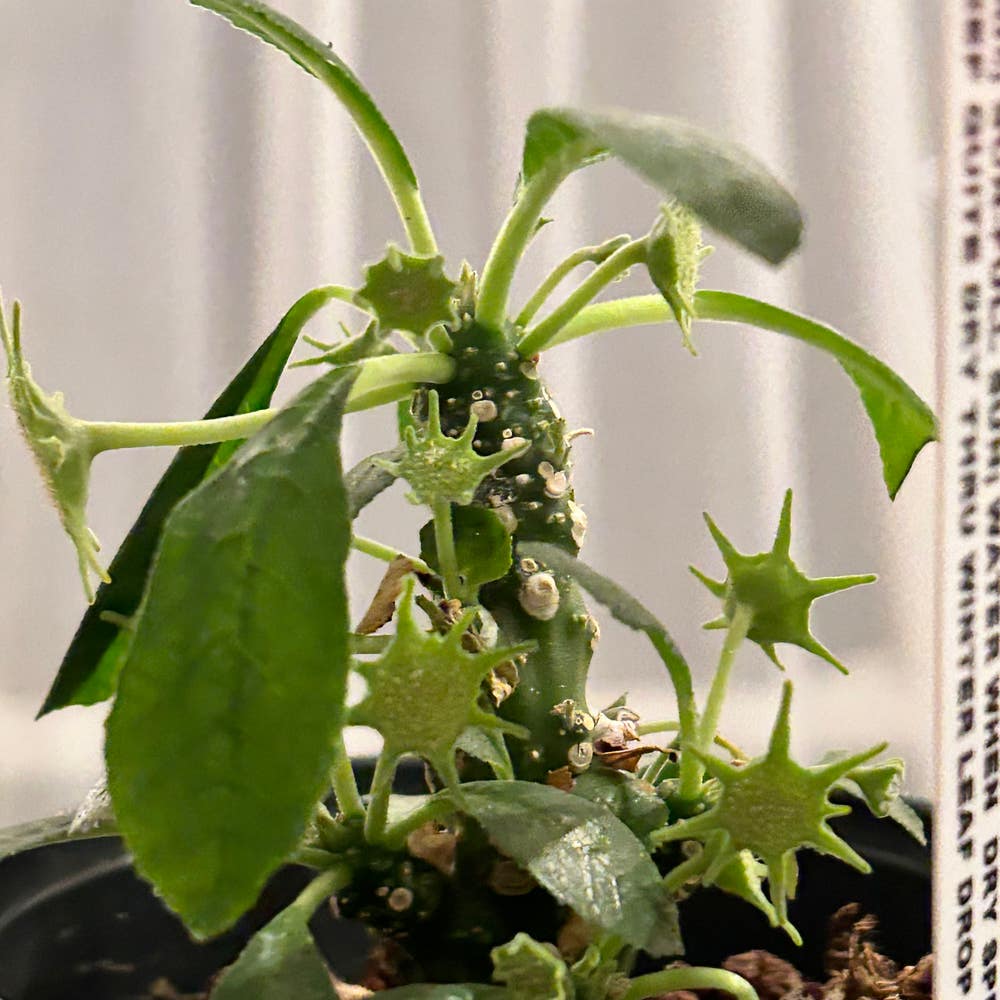
✂️ When and Where to Prune Your Dorstenia
Dorstenia psilurus
By the Greg Editorial Team
Nov 07, 2024•5 min read
This article was created with the help of AI so we can cover more plants for you. May contain errors. See one? Report it here.
- 🌱 Prune Dorstenia in late winter to early spring for optimal growth.
- ✂️ Remove dead leaves and overcrowded branches to enhance air circulation and health.
- 🛠️ Use sharp, sterilized tools for clean cuts and to prevent disease.
When to Prune
🌱 Best Seasons
The best time to prune your Dorstenia is during late winter to early spring. This timing is crucial as it allows for new growth to emerge just in time for the growing season.
Pruning during active growth can stress the plant, so it's best to avoid this period. By waiting until the dormant season, you set your plant up for a healthier, more vigorous spring.
✂️ Signs It's Time to Prune
Look for yellowing or dead leaves, which indicate that it's time for some cleanup. Removing these leaves not only improves the plant's appearance but also promotes overall health.
Overcrowded growth is another sign that pruning is necessary. If branches are crossing or crowding each other, it's time to thin them out for better air circulation.
Lastly, reduced flowering can signal the need for deadheading or pruning. Fewer blooms may mean your plant is expending energy on old flowers instead of new growth, so don't hesitate to take action.
With these signs in mind, you'll be well-equipped to keep your Dorstenia thriving. Next, let’s explore where to prune for optimal results.
Where to Prune
🌿 Identifying Branches to Prune
When pruning your Dorstenia, focus on specific branches that need attention. Start with dead or damaged stems; removing these promotes overall plant health.
Next, look for overly long or leggy branches. Trimming these back encourages a bushier, more compact growth habit.
Don't forget to eliminate crossing branches. This step improves air circulation, reducing the risk of disease.
✂️ Techniques for Clean Cuts
Using the right tools is crucial for effective pruning. Always opt for sharp, sterilized pruning shears to prevent disease transmission.
Make your cuts at a 45-degree angle, just above a leaf node or branch junction. This technique helps the plant heal faster and minimizes stress.
Avoid tearing the plant tissue during the process. Clean cuts ensure that your Dorstenia remains healthy and vibrant.
With these pruning techniques in mind, you're well on your way to maintaining a thriving plant. Next, let’s explore the essential steps for deadheading, which can further enhance your Dorstenia's blooming potential.
Deadheading
Rationale 🌼
Deadheading is essential for keeping your Dorstenia vibrant and blooming. By removing spent flowers, you encourage further blooming and prolong the flowering period, allowing your plant to showcase its beauty longer.
Additionally, deadheading prevents the plant from draining energy into seed production. Instead, this energy is redirected towards new growth, promoting a healthier and more robust plant.
Step-by-Step Instructions ✂️
Identify spent flowers: Look for wilted or brown blooms that no longer contribute to the plant's aesthetic.
Use clean pruning shears: Cut the flower stem back to the nearest leaf node. This helps ensure a clean cut that minimizes stress on the plant.
Dispose of removed flowers: Proper disposal prevents pest attraction and keeps your garden tidy.
Monitor for new growth: Keep an eye on your plant and repeat the deadheading process as necessary throughout the blooming season. This will help maintain its health and encourage ongoing flowering.
By following these simple steps, you can keep your Dorstenia thriving and full of life. Now that you understand the importance of deadheading, let’s explore some effective pruning techniques to shape and maintain your plant.
Pruning Techniques
🔧 Recommended Tools
To achieve the best results when pruning your Dorstenia, having the right tools is essential.
- Pruning shears are perfect for making precise cuts on small branches, ensuring you don’t damage the plant.
- Loppers come in handy for thicker stems, especially on larger species, allowing for clean cuts without excessive force.
- Always keep a sterilizing solution nearby to clean your tools before and after use, preventing the spread of diseases.
✂️ Techniques for Shaping and Maintaining
Pruning isn’t just about cutting; it’s about shaping your plant for optimal health and beauty.
- Pinching back is a great technique for young plants, encouraging bushier growth and a fuller appearance.
- Thinning involves removing select branches to improve light penetration and air circulation, which is vital for overall plant health.
- Regular shaping helps maintain your Dorstenia’s desired size and form, ensuring it fits beautifully in your space.
By mastering these techniques, you’ll not only enhance the aesthetics of your plant but also promote its vitality.
Next, let’s explore some common mistakes to avoid while pruning, ensuring your efforts yield the best results.
Common Mistakes
Mistakes to Avoid 🌪️
Pruning can be a delicate balance, and there are common pitfalls to watch out for.
- Over-pruning: Removing too much foliage can stress your Dorstenia, leading to stunted growth or even plant death.
- Pruning at the wrong time: Timing is crucial; avoid pruning during active growth or extreme weather conditions, as this can shock the plant.
- Neglecting tool hygiene: Using unclean tools can introduce diseases, jeopardizing the health of your plant.
Correcting Errors 🔄
Mistakes happen, but they can often be corrected with a little patience.
- If you've over-pruned, the best course of action is to allow the plant to recover without further intervention.
- For cuts made inappropriately, keep an eye on the plant for signs of stress and adjust your care accordingly.
- Regularly assess your pruning techniques to improve future practices and avoid repeating mistakes.
By being mindful of these common errors, you can ensure your Dorstenia thrives and flourishes. Now that you’re aware of what to avoid, let’s explore effective pruning techniques to enhance your plant's growth!
⚠️ Safety First
This content is for general information and may contain errors, omissions, or outdated details. It is not medical, veterinary advice, or an endorsement of therapeutic claims.
Always consult a qualified healthcare professional before using any plant as food, medicine, or supplement.
Never eat any plant (or feed one to pets) without confirming its identity with at least two trusted sources.
If you suspect poisoning, call Poison Control (800) 222-1222, the Pet Poison Helpline (800) 213-6680, or your local emergency service immediately.
Spotted an error? Please report it here.
Prune your Dorstenia wisely for blooming success 🌼—let Greg guide you with tailored reminders and expert tips to keep your plant healthy and thriving!