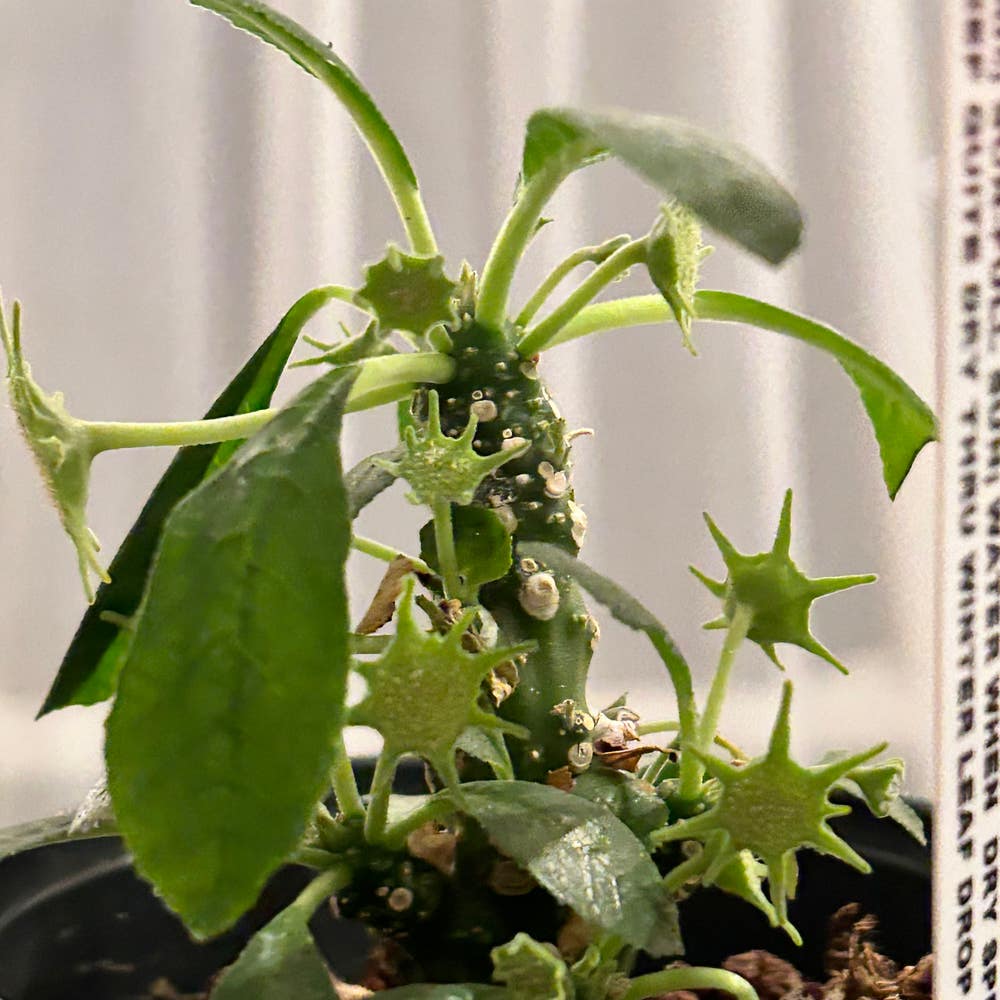
Ultimate Guide to Fertilizing Your Dorstenia 💧
Dorstenia psilurus
By the Greg Editorial Team
Nov 07, 2024•3 min read
This article was created with the help of AI so we can cover more plants for you. May contain errors. See one? Report it here.
- 🌱 Organic fertilizers enhance soil health and provide slow-release nutrients for Dorstenia.
- 💧 Liquid fertilizers ensure quick nutrient absorption, ideal during the growing season.
- ⚖️ Tailor fertilization schedules based on Dorstenia variety for optimal growth.
Fertilization Techniques
🌱 Types of Fertilizers
Organic Fertilizers
Organic fertilizers are a fantastic choice for nurturing your Dorstenia. They provide slow-release nutrients and improve soil health, creating a thriving environment for your plants.
- Benefits: They enhance soil structure and promote beneficial microbial activity.
- Examples: Compost, well-rotted manure, and worm castings are all excellent options.
Liquid Fertilizers
Liquid fertilizers are perfect for quick nutrient absorption. They deliver nutrients directly to the plant, making them an efficient choice during the growing season.
- Advantages: Fast-acting and easy to apply.
- Best Options: Look for balanced liquid fertilizers with appropriate N-P-K ratios to ensure your plants get what they need.
Granular Fertilizers
Granular fertilizers are versatile and can be applied in different ways. They are typically used as top dressing or mixed into the soil for gradual nutrient release.
- Application Method: You can sprinkle them on the surface or work them into the soil.
- Recommended Types: Slow-release granular fertilizers are ideal for maintaining consistent nutrient levels.
🧑🌾 How to Apply Fertilizer
Application Techniques
Applying fertilizer can be straightforward with the right techniques.
- Broadcasting: This involves evenly spreading fertilizer over the soil surface.
- Incorporating: Mix the fertilizer into the top layer of soil for better absorption.
Dosage Guidelines
Getting the dosage right is crucial for healthy growth.
- General Rule: Use about 1 tablespoon of granular fertilizer per plant.
- Liquid Fertilizer: Always dilute according to package instructions, typically at 1/4 to 1/2 strength.
Timing of Application
Timing can significantly impact nutrient absorption.
- Watering Before Application: This ensures that the nutrients are absorbed effectively.
- Post-Application Watering: Watering after applying fertilizer helps dissolve it and distribute nutrients evenly.
📅 Frequency of Fertilization
Fertilization Schedule
Establishing a fertilization schedule is key to your plant's health.
- Growing Season: Fertilize every 4-6 weeks during active growth in spring and summer.
- Dormant Period: Reduce or stop fertilization in fall and winter when growth slows.
Adjusting Frequency Based on Growth Conditions
Different growth conditions can affect how often you should fertilize.
- Indoor vs. Outdoor Growth: Indoor plants may require less frequent feeding compared to their outdoor counterparts.
🚨 Signs of Nutrient Deficiency and Over-Fertilization
Symptoms of Nutrient Deficiency
Recognizing nutrient deficiencies early can save your plants.
- Nitrogen Deficiency: Look for yellowing leaves and stunted growth.
- Phosphorus Deficiency: Dark green or purplish leaves and poor flowering are telltale signs.
- Potassium Deficiency: Browning leaf edges and weak stems indicate a lack of potassium.
Identifying Signs of Over-Fertilization
Over-fertilization can be just as harmful as under-fertilization.
- Symptoms to Watch For:
- Leaf Burn: Brown tips and edges on leaves.
- Stunted Growth: Lack of new growth despite optimal conditions.
- Root Burn: Wilting and yellowing due to damaged roots.
Prevention Strategies
Preventing nutrient issues is easier than fixing them.
- Regular Soil Testing: Monitor nutrient levels and adjust fertilization accordingly to keep your plants thriving.
❌ Common Mistakes in Fertilizing
Over-Fertilization Pitfalls
Avoiding common pitfalls can save your plants from stress.
Causes of Over-Fertilization:
- Misjudging Plant Needs: More isn’t always better.
- Ignoring Soil Nutrient Levels: Always test soil before application.
Consequences: Over-fertilization can lead to root burn, nutrient lockout, and overall plant stress.
Misunderstanding Nutrient Needs
Understanding your plant's specific needs is crucial.
Common Misconceptions:
- Not all plants require the same fertilization schedule.
- Micronutrients are just as important as macronutrients.
Importance of Tailored Fertilization: Adjust your approach based on specific Dorstenia varieties and their growing conditions.
With these fertilization techniques, you can ensure your Dorstenia thrives beautifully. Next, we’ll explore the frequency of fertilization and how to recognize signs of nutrient deficiency or over-fertilization.
⚠️ Safety First
This content is for general information and may contain errors, omissions, or outdated details. It is not medical, veterinary advice, or an endorsement of therapeutic claims.
Always consult a qualified healthcare professional before using any plant as food, medicine, or supplement.
Never eat any plant (or feed one to pets) without confirming its identity with at least two trusted sources.
If you suspect poisoning, call Poison Control (800) 222-1222, the Pet Poison Helpline (800) 213-6680, or your local emergency service immediately.
Spotted an error? Please report it here.
Transform your Dorstenia into a vibrant beauty 🌱 with Greg's personalized fertilization reminders that ensure it gets the right nutrients at the right time!