Best Temperature Conditions for Dorstenia 🌡️
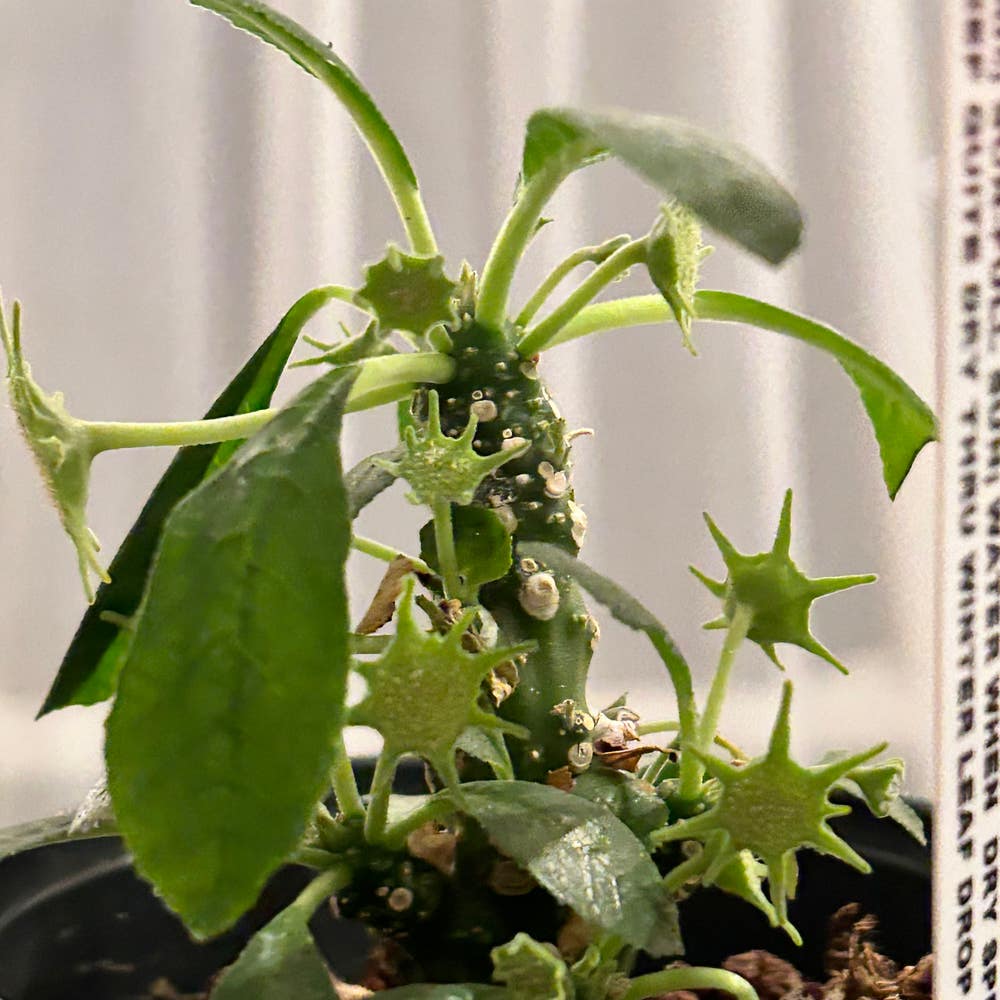
Dorstenia psilurus
By the Greg Editorial Team
Nov 07, 2024•4 min read
This article was created with the help of AI so we can cover more plants for you. May contain errors. See one? Report it here.
- 🌡️ Ideal temperature for Dorstenia is 20°C to 30°C (68°F to 86°F) for growth.
- ❄️ Avoid nighttime drops below 15°C (59°F) to prevent health issues in Dorstenia.
- 🔥 Excessive heat above 35°C (95°F) can stunt growth and increase pest vulnerability.
Temperature Requirements
Ideal Temperature Range 🌡️
For Dorstenia, the ideal temperature range is between 20°C to 30°C (68°F to 86°F). This sweet spot not only encourages healthy growth but also promotes vibrant flowering.
Nighttime temperatures are crucial too; they should not drop below 15°C (59°F) to keep your plant thriving. Maintaining these conditions is key to a flourishing Dorstenia.
Temperature Extremes and Their Effects 🌡️
Some Dorstenia varieties can handle high temperatures, tolerating up to 35°C (95°F). However, excessive heat can lead to stunted growth and wilting, making your plant more vulnerable to pests and diseases.
On the flip side, most Dorstenia species are not frost-tolerant. Cold temperatures can cause leaf drop and yellowing, and prolonged exposure may even lead to root rot. Keeping an eye on temperature extremes is essential for your plant's health.
Signs of Temperature Stress
🌡️ Symptoms of Heat Stress
Heat stress can be a real challenge for Dorstenia plants. One of the first signs is leaf curling, where leaves curl inward to minimize moisture loss and reduce exposure to the sun.
Another indicator is wilting, which occurs even when the plant is adequately watered. This dehydration response is a clear signal that the plant is struggling with excessive heat. Additionally, you might notice color changes; leaves can become pale or develop scorched tips, indicating they are not coping well with the high temperatures.
❄️ Symptoms of Cold Stress
On the flip side, cold stress presents its own set of symptoms. A common sign is leaf yellowing, where leaves turn yellow and may drop prematurely, signaling that the plant is unhappy with the chilly conditions.
You may also observe stunted growth, where the plant's growth rate slows down or halts altogether. Lastly, watch for softening of stems; stems can become mushy or waterlogged, which is a clear indication that the plant is suffering from prolonged exposure to cold temperatures.
Recognizing these signs early can help you take action to protect your Dorstenia from temperature stress. By staying vigilant, you can ensure your plant thrives in the right conditions. Next, let’s explore the causes of temperature stress and how to mitigate its effects.
Causes of Temperature Stress
🌡️ Environmental Factors
Temperature stress in Dorstenia can often be traced back to environmental factors. Sudden temperature fluctuations can shock the plant, leading to stress and potential damage.
Poor insulation in indoor settings can exacerbate this issue, creating extreme temperature variations that Dorstenia struggles to handle. Additionally, proximity to heat sources, such as radiators or direct sunlight, can create localized heat stress, making it crucial to monitor their surroundings.
🍂 Seasonal Changes
Seasonal shifts also play a significant role in temperature stability for Dorstenia. As temperatures drop significantly in winter, these plants may enter a dormant phase, conserving energy until conditions improve.
Conversely, summer heat can pose challenges. Implementing strategies to mitigate heat stress during peak summer months is essential for maintaining plant health and vitality. Understanding these seasonal impacts can help you better care for your Dorstenia and keep them thriving year-round.
Temperature Management Strategies
Tips for Maintaining Optimal Temperatures 🌡️
Maintaining the right temperature for your Dorstenia is crucial for its health. For indoor plants, using thermostats and fans can help create a stable environment, ensuring your plant thrives.
When placing your Dorstenia outdoors, opt for shaded areas during peak heat. This simple strategy can prevent overheating and keep your plant happy.
Use of Indoor vs. Outdoor Settings 🏠
Indoor settings offer distinct advantages for temperature management. They allow for easier control over temperature fluctuations and protect your plant from extreme weather conditions.
However, if you choose to keep your Dorstenia outdoors, stay vigilant. Monitor for sudden weather changes and be ready to provide shade or cover as needed to safeguard your plant's health.
By understanding these temperature management strategies, you can create an ideal environment for your Dorstenia, ensuring it remains vibrant and flourishing. Next, let’s explore the signs of temperature stress in your plant.
⚠️ Safety First
This content is for general information and may contain errors, omissions, or outdated details. It is not medical, veterinary advice, or an endorsement of therapeutic claims.
Always consult a qualified healthcare professional before using any plant as food, medicine, or supplement.
Never eat any plant (or feed one to pets) without confirming its identity with at least two trusted sources.
If you suspect poisoning, call Poison Control (800) 222-1222, the Pet Poison Helpline (800) 213-6680, or your local emergency service immediately.
Spotted an error? Please report it here.
Keep your Dorstenia in its ideal climate 🌡️ by using Greg's personalized care reminders to maintain the perfect temperature for thriving growth and vibrant blooms!