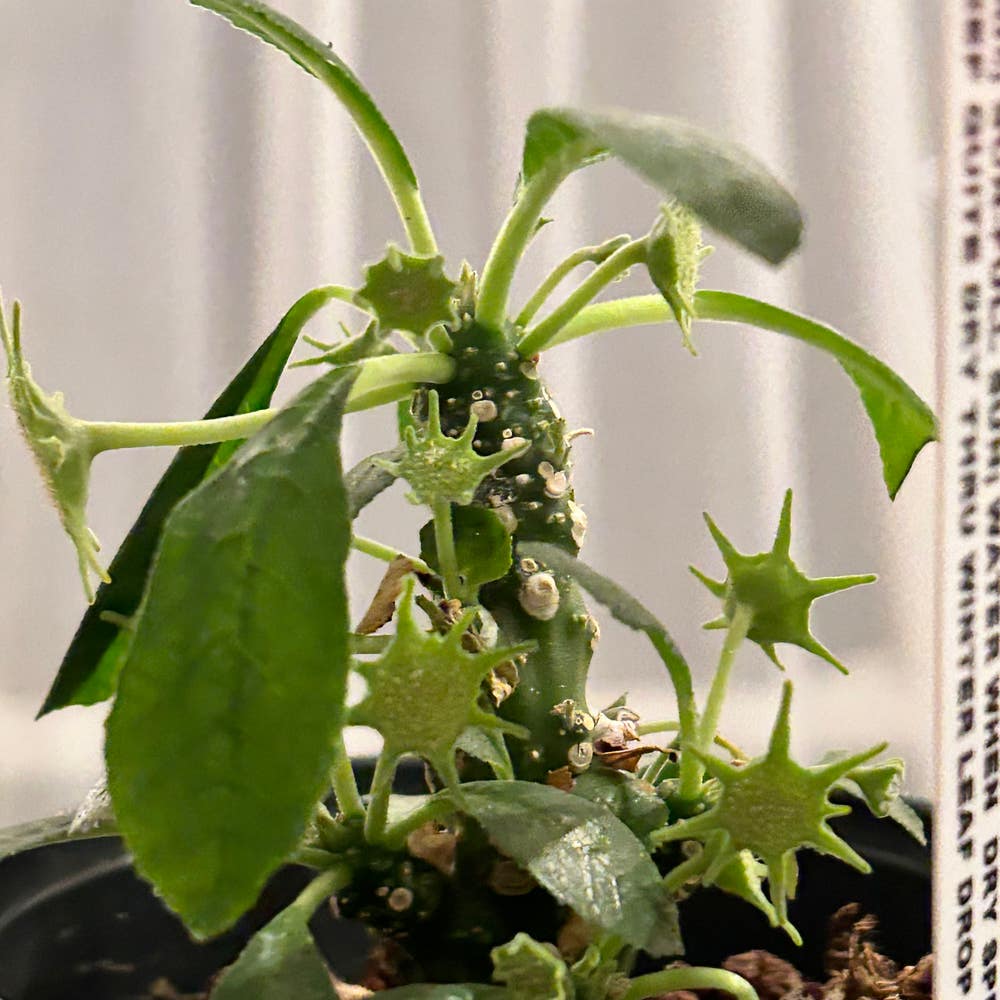
☀️ Light Requirements For Your Dorstenia
Dorstenia psilurus
By the Greg Editorial Team
Nov 07, 2024•5 min read
This article was created with the help of AI so we can cover more plants for you. May contain errors. See one? Report it here.
- 🌞 Dorstenia thrives in bright indirect light; avoid direct sunlight to prevent leaf burn.
- 💡 Artificial lights like LEDs can supplement natural light for healthy Dorstenia growth.
- 🌿 Monitor light conditions regularly to prevent leggy growth and maintain plant vibrancy.
Types of Light Suitable for Dorstenia
When it comes to light requirements for your Dorstenia, understanding the types of light they thrive in is crucial. These plants can adapt to various lighting conditions, making them versatile choices for indoor and outdoor settings.
☀️ Natural Sunlight
Bright Indirect Light
Dorstenia species flourish in bright indirect light, which is ideal for their optimal growth. This type of light mimics their natural habitat, allowing them to thrive without the risk of leaf burn.
Tolerance for Low Light Conditions
One of the remarkable traits of Dorstenia is its adaptability. They can tolerate low light conditions, making them suitable for spaces that don’t receive abundant sunlight. This flexibility allows you to enjoy these unique plants even in less-than-ideal lighting situations.
💡 Artificial Light
Effective Options
If natural sunlight is scarce, consider using artificial light sources. Fluorescent, LED, and incandescent lights are all effective options for providing the necessary illumination for your Dorstenia.
Comparison of Effectiveness
While natural light is generally preferred, artificial light can be a great alternative. Each type of artificial light has its pros and cons, but with proper setup, they can effectively support your plant's growth, especially during darker months.
Understanding these light requirements will help you create the perfect environment for your Dorstenia. Next, let’s explore the ideal light conditions for indoor settings to ensure your plants thrive.
Ideal Light Conditions for Indoor Dorstenia
🌞 Recommended Light Exposure for Indoor Settings
For your indoor Dorstenia, aim for bright indirect light for about 6-8 hours daily. This light condition is crucial for promoting healthy growth and vibrant foliage.
Direct sunlight can be detrimental, leading to leaf burn and stress. Protecting your plant from harsh rays is essential for its well-being.
🪴 Placement Tips
Position your Dorstenia near east or west-facing windows for optimal light exposure. These locations provide the right balance of brightness without overwhelming your plant.
Consider using sheer curtains to diffuse intense sunlight. This approach maintains brightness while softening the light, creating a perfect environment for your Dorstenia to thrive.
By ensuring your plant receives the right light conditions, you set the stage for lush growth and stunning foliage. Next, let’s explore the ideal light conditions for outdoor Dorstenia.
Ideal Light Conditions for Outdoor Dorstenia
Optimal Outdoor Light Conditions 🌞
For outdoor Dorstenia, achieving the right light balance is crucial. Partial shade is your best friend, providing protection from the intense midday sun that can scorch delicate leaves.
Morning Sun Exposure 🌅
Morning sun exposure is particularly beneficial. The gentle light of the early hours promotes healthy growth without the harshness that can come later in the day.
Environmental Considerations 🌿
Maintaining the right soil and humidity levels is essential in bright conditions. Dorstenia thrives in moist soil, so ensure it doesn’t dry out, especially during warmer months.
Seasonal Adjustments 🍂
Don’t forget to monitor light changes throughout the year. As seasons shift, so do light conditions, and adjusting your plant's location can help it adapt and flourish.
With these outdoor light conditions in mind, your Dorstenia will be well on its way to thriving. Next, let’s explore the signs that indicate your plant might not be getting enough light.
Signs of Inadequate Light for Dorstenia
Dorstenia plants thrive in well-lit environments, but when they don’t get enough light, they can show some telltale signs. Recognizing these indicators early can help you take action to restore your plant's health.
🌱 Common Indicators of Insufficient Light
One of the first signs of inadequate light is leggy growth. This occurs when the stems stretch out, resulting in sparse foliage that looks weak and elongated.
Another clear sign is leaf discoloration. If you notice your Dorstenia's leaves turning yellow or fading, it’s a signal that the plant isn’t receiving enough light.
Additionally, you might observe reduced flowering. If your plant is struggling to bloom or produces small, inconspicuous flowers, it’s likely not getting the light it needs to thrive.
💡 Recommended Actions
To remedy these issues, start by adjusting light exposure. Move your Dorstenia to a brighter location where it can soak up more light.
If natural light is still insufficient, consider supplementing with grow lights. This can provide the extra boost your plant needs to flourish, especially in low-light conditions.
By staying vigilant and responsive to these signs, you can ensure your Dorstenia remains vibrant and healthy. Next, let’s explore how to effectively use grow lights to support your plant's growth.
Using Grow Lights
🌱 Benefits of Grow Lights for Indoor Dorstenia
Grow lights are a game changer for indoor Dorstenia, especially in low-light environments. They provide consistent light availability, helping your plants thrive even when natural sunlight is scarce.
These lights support healthy foliage and encourage flowering, ensuring your Dorstenia remains vibrant and lush. With the right setup, you can overcome seasonal light changes that might otherwise hinder growth.
💡 Placement and Duration of Grow Light Exposure
For optimal light distribution, place your grow lights about 12 to 24 inches above your Dorstenia. This distance ensures adequate coverage without overheating the plant.
Aim for a duration of 12 to 16 hours of light exposure each day. Mimicking natural day and night patterns is crucial for your plant's overall health and growth.
🔧 Tips for Using Grow Lights Effectively
Keep an eye on your plant's response to the grow lights. Adjust the light intensity and duration based on how your Dorstenia is growing.
Combining natural and artificial light can maximize growth potential, giving your plants the best of both worlds. Don’t forget regular maintenance—cleaning your light fixtures will ensure they perform at their best.
With these tips, your Dorstenia will flourish under grow lights, bringing a touch of nature indoors. Next, let’s explore how to recognize signs of inadequate light for your plants.
⚠️ Safety First
This content is for general information and may contain errors, omissions, or outdated details. It is not medical, veterinary advice, or an endorsement of therapeutic claims.
Always consult a qualified healthcare professional before using any plant as food, medicine, or supplement.
Never eat any plant (or feed one to pets) without confirming its identity with at least two trusted sources.
If you suspect poisoning, call Poison Control (800) 222-1222, the Pet Poison Helpline (800) 213-6680, or your local emergency service immediately.
Spotted an error? Please report it here.
Ensure your Dorstenia thrives with optimal light ☀️ by using Greg's tailored care tips to provide just the right conditions for vibrant growth!