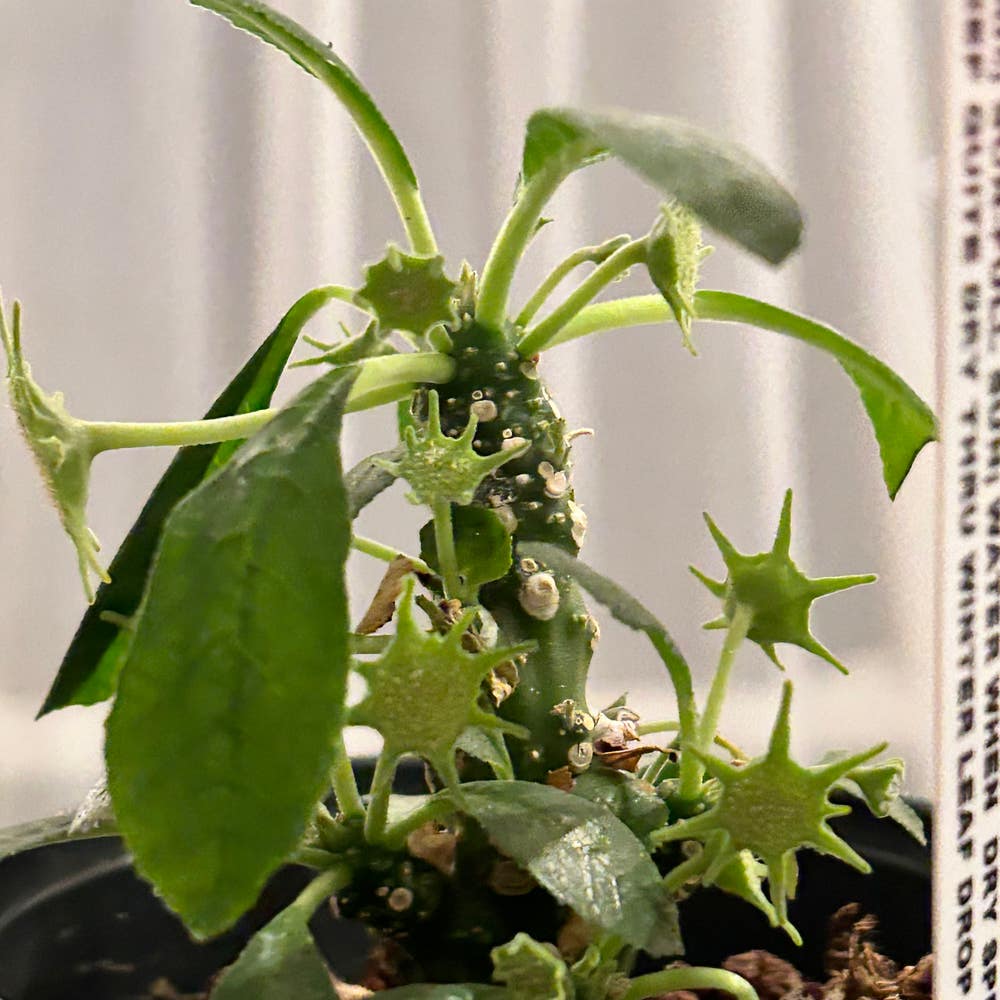
Dealing with Droopy Leaves on Your Dorstenia 😢
Dorstenia psilurus
By the Greg Editorial Team
Nov 07, 2024•6 min read
This article was created with the help of AI so we can cover more plants for you. May contain errors. See one? Report it here.
- 💧 Droopy leaves indicate overwatering or underwatering; adjust care accordingly.
- 🌞 Environmental stressors like light and humidity also cause droopiness; monitor conditions.
- 🐛 Pests and diseases can lead to droopy leaves; inspect and manage promptly.
Common Causes of Droopy Leaves
💧 Overwatering
Droopy leaves often signal overwatering, a common pitfall for many plant enthusiasts. Look for yellowing leaves and mushy stems, which indicate that your Dorstenia is struggling with excess moisture.
When roots sit in waterlogged soil, they can suffocate and rot. This root rot not only affects the plant's ability to absorb nutrients but can also lead to irreversible damage if not addressed promptly.
🚰 Underwatering
On the flip side, underwatering can also lead to droopy leaves. If you notice dry, shriveled leaves with a brittle texture, your plant is likely in need of a drink.
After watering, watch for signs of recovery, such as leaf plumping. This is a positive indication that your Dorstenia is bouncing back and regaining its vitality.
🌬️ Environmental Stress
Environmental factors play a significant role in the health of your Dorstenia. Insufficient light can lead to drooping leaves, as the plant struggles to photosynthesize effectively.
Low humidity levels can also cause wilting, making it essential to maintain a balanced environment. Additionally, temperature fluctuations can stress your plant, impacting its overall leaf health and leading to droop.
Understanding these common causes can help you take proactive steps to revive your Dorstenia. By addressing watering habits and environmental conditions, you can foster a thriving plant that showcases its beauty.
Symptoms to Look for in Droopy Leaves
Recognizing droopy leaves on your Dorstenia is crucial for timely intervention. Start by observing visual indicators such as changes in leaf color and texture.
Leaf Color Changes 🌈
Drooping leaves often exhibit yellowing or browning, signaling distress. A healthy Dorstenia should have vibrant green foliage, so any deviation can indicate a problem.
Texture Alterations 🧵
In addition to color, pay attention to texture. Leaves that feel soft or mushy may be overwatered, while dry, brittle leaves suggest underwatering.
Growth Patterns 📈
Stunted growth is another telltale sign. If your plant is drooping and not producing new leaves, it’s time to reassess its care routine.
Timing of Drooping ⏰
Timing is key when diagnosing droop. Note when the leaves start to sag—immediately after watering or during seasonal changes can provide clues about underlying issues.
By keeping an eye on these symptoms, you can better understand your Dorstenia's needs and take action before the situation worsens. Next, let’s explore effective watering practices to ensure your plant thrives.
Watering Practices
🚰 Signs of Overwatering
Overwatering is a common issue that can lead to droopy leaves on your Dorstenia. Look for symptoms like yellowing leaves, wilting, and a mushy texture, which indicate that your plant is struggling.
The soil will also give you clues. If it feels waterlogged or emits a foul smell, it's a strong sign that the roots are drowning.
💧 Signs of Underwatering
On the flip side, underwatering can also cause droopiness. If you notice curling leaves, browning edges, or a shriveled appearance, your plant is likely thirsty.
Check the soil condition as well. A dry, cracked surface is a clear indicator that your Dorstenia needs a drink.
📅 Recommended Watering Schedule
To keep your Dorstenia thriving, establish a consistent watering schedule. Aim to water every 2-3 weeks during the growing season, ensuring the soil is adequately moist but not soggy.
When you water, do so deeply until excess water drains out of the pot. This method encourages healthy root growth.
As the seasons change, adjust your watering frequency. In winter months, your plant will require less water, so be mindful of its needs.
By mastering these watering practices, you can help your Dorstenia flourish and prevent droopy leaves. Next, let’s explore how to manage pests and diseases that could also affect your plant’s health.
Pest and Disease Management
Managing pests and diseases is crucial for keeping your Dorstenia healthy and vibrant. Let's dive into the common culprits and how to tackle them effectively.
🐛 Common Pests Affecting Dorstenia
Mealybugs
Mealybugs are easily recognizable by their white, cottony masses on leaves. These pests can cause significant damage, leading to stunted growth and leaf drop.
Spider Mites
Spider mites are another threat, identifiable by fine webbing and speckled leaves. They can cause yellowing and drooping leaves, making it essential to catch them early.
🦠 Identifying Diseases That Cause Leaf Droop
Root Rot
Root rot is a serious condition that manifests as wilting, even when you’re watering adequately. This disease often results from overwatering and poor drainage, creating a perfect storm for your plant's roots.
Fungal Infections
Fungal infections can also lead to droopy leaves, with symptoms like dark spots and leaf drop. These issues typically arise from high humidity and poor air circulation, so vigilance is key.
🧪 Treatment Options for Pests and Diseases
Organic Pest Control Methods
For pest management, consider using organic solutions like neem oil or insecticidal soap. These methods are effective and safer for both your plant and the environment.
Disease Management
When it comes to diseases, start by removing any affected leaves to prevent further spread. Improving drainage can also help mitigate issues like root rot, ensuring your Dorstenia thrives.
By staying proactive about pests and diseases, you can maintain a healthy Dorstenia. Next, let’s explore preventive care to keep your plant in top shape.
Preventive Care
Regular Maintenance Tips 🌿
Routine checks are essential for keeping your Dorstenia healthy. Regularly inspect the leaves for pests and signs of stress, as early detection can prevent bigger issues down the line.
Cleaning the leaves is equally important. Wipe them down to remove dust and pests, ensuring they can photosynthesize effectively.
Seasonal Care Adjustments 🍂
As seasons change, so should your care routine. During the growing season, increase your watering frequency to support new growth.
Light exposure also needs attention. Move your plants to optimal light conditions as the sun's position shifts throughout the year.
Monitoring Plant Health for Early Signs of Droop 👀
Daily observation can make a significant difference in plant health. Check for changes in leaf texture and color to catch any potential problems early.
Keeping a care journal is a practical way to track your plant's needs. Documenting watering, light exposure, and any changes in health helps you identify patterns and adjust your care accordingly.
By implementing these preventive care strategies, you can maintain the vitality of your Dorstenia and minimize the risk of droopy leaves. Next, let’s explore effective watering practices to ensure your plant thrives.
⚠️ Safety First
This content is for general information and may contain errors, omissions, or outdated details. It is not medical, veterinary advice, or an endorsement of therapeutic claims.
Always consult a qualified healthcare professional before using any plant as food, medicine, or supplement.
Never eat any plant (or feed one to pets) without confirming its identity with at least two trusted sources.
If you suspect poisoning, call Poison Control (800) 222-1222, the Pet Poison Helpline (800) 213-6680, or your local emergency service immediately.
Spotted an error? Please report it here.
Keep your Dorstenia's leaves perky and vibrant 🌿 by using Greg's tailored watering reminders to tackle droopy leaves caused by overwatering or underwatering!