Best Humidity Levels for Dorstenia 💧
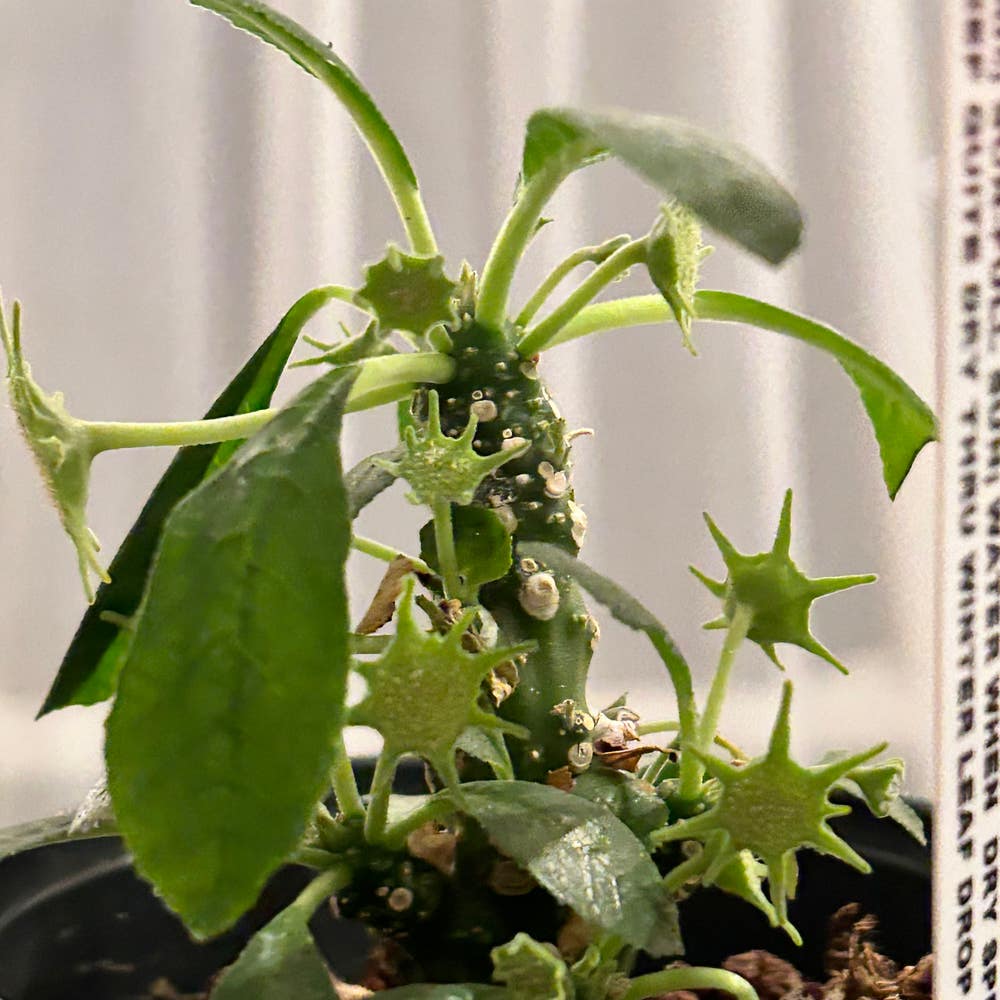
Dorstenia psilurus
By the Greg Editorial Team
Nov 07, 2024•5 min read
This article was created with the help of AI so we can cover more plants for you. May contain errors. See one? Report it here.
- 🌬️ Dorstenia thrives at 60%-80% humidity; adjust for optimal growth.
- 🌱 Low humidity causes leaf drop and stunted growth; monitor levels closely.
- 💧 Use hygrometers and humidifiers to maintain ideal humidity for healthy Dorstenia.
Ideal Humidity Range for Optimal Growth
🌬️ Recommended humidity levels
For Dorstenia, maintaining a relative humidity of 60% to 80% is crucial for optimal growth. This range mimics their natural habitat, ensuring they thrive and flourish.
Different varieties of Dorstenia may have specific humidity preferences. For instance, some may prefer the higher end of the spectrum, while others can adapt to slightly lower levels. Understanding these nuances can significantly enhance your plant care routine.
By keeping humidity levels within this ideal range, you can promote healthy growth and vibrant foliage. This attention to detail will help your Dorstenia reach its full potential, making your plant care journey all the more rewarding.
As we explore the effects of humidity on Dorstenia health, you'll see how crucial it is to maintain these levels for your plants' well-being.
Effects of Humidity on Dorstenia Health
💨 Low Humidity Effects
Low humidity can be detrimental to Dorstenia plants. Symptoms include leaf drop, wilting, and stunted growth, which can be alarming for any plant enthusiast.
Over time, prolonged exposure to low humidity increases the plant's vulnerability to pests and diseases. This can lead to a cascade of issues that may require significant intervention.
🌧️ High Humidity Effects
On the flip side, high humidity presents its own challenges. Symptoms such as mold growth, root rot, and leaf blight can emerge, threatening the health of your Dorstenia.
Maintaining a balance in humidity levels is crucial to prevent stress on the plant. Too much moisture can be just as harmful as too little, making it essential to monitor conditions closely.
Understanding these effects can help you create a thriving environment for your Dorstenia. With the right humidity levels, you can ensure your plants remain healthy and vibrant.
Humidity Measurement and Local Considerations
📏 Measuring humidity levels
To ensure your Dorstenia thrives, measuring humidity levels is crucial. Hygrometers are your best friends here; they provide accurate readings of the moisture in the air.
For optimal results, place your hygrometer near your plants but away from direct sunlight. This positioning helps capture the true humidity levels that your Dorstenia experiences.
🌍 Assessing local humidity conditions
Understanding your local humidity conditions can significantly impact your plant care routine. Geographic location plays a vital role; areas with high humidity may require different care strategies than drier climates.
To stay informed, utilize online resources or local weather stations to check humidity levels in your area. This knowledge allows you to adjust your care practices accordingly, ensuring your Dorstenia remains healthy and vibrant.
With a solid grasp of humidity measurement and local conditions, you can create the perfect environment for your Dorstenia. Next, let’s explore effective strategies for boosting humidity to support your plant's growth.
Strategies for Boosting Humidity
🌬️ Using Humidifiers
Humidifiers are a fantastic way to maintain the ideal humidity levels for your Dorstenia. You can choose between cool mist and warm mist humidifiers; both have their advantages, but cool mist is often preferred for its energy efficiency and ability to cool the air slightly.
For optimal results, place your humidifier near your plants but not directly on them. This ensures that the moisture disperses evenly without overwhelming the foliage.
🌱 Grouping Plants
Clustering your Dorstenia with other plants can significantly boost humidity levels. When plants are grouped together, they create a microenvironment that retains moisture more effectively.
Aim for a spacing of about 2 to 4 inches between plants to allow for air circulation while still benefiting from the increased humidity. This simple strategy can make a noticeable difference in their health.
🪨 Pebble Trays and Water Features
Setting up pebble trays is an easy and effective way to enhance humidity. Fill a shallow tray with pebbles and add water until it just touches the bottom of the pots. As the water evaporates, it will increase the humidity around your plants.
Incorporating water features, like small fountains, can also help. The continuous movement of water not only adds humidity but also creates a serene atmosphere for your plant care routine.
💦 Misting Techniques
Misting your Dorstenia can provide a quick humidity boost, but it’s essential to do it correctly. Aim to mist your plants once or twice a week, ensuring that the leaves are lightly coated without becoming soggy.
However, keep in mind that misting alone may not suffice for long-term humidity needs. It’s best used in conjunction with other methods for optimal results.
By implementing these strategies, you can create a thriving environment for your Dorstenia, ensuring they flourish in the right humidity levels. Next, let’s explore how to measure humidity and assess local conditions effectively.
Strategies for Reducing Humidity
🌬️ Ventilation and Air Circulation
Airflow is crucial for managing humidity levels around your Dorstenia. Proper ventilation helps prevent stagnant air, which can lead to excessive moisture buildup.
To improve air circulation, consider placing your plants in well-ventilated areas. Open windows, use fans, or even create a small indoor breeze to keep the air moving.
🪴 Choosing the Right Potting Mix
Selecting a well-draining potting mix is essential to prevent excess moisture around your Dorstenia roots. A mix that retains some moisture while allowing excess water to escape is ideal.
Look for potting mixes that include components like perlite or sand. These materials enhance drainage and help maintain a balanced humidity level.
🚫 Avoiding Overwatering
Overwatering is a common mistake that can lead to serious issues for your Dorstenia. Signs of overwatering include yellowing leaves, mushy stems, and a general decline in plant health.
To maintain proper moisture levels, always check the soil before watering. Allow the top inch of soil to dry out before adding more water, ensuring your plant thrives without drowning.
With these strategies, you can effectively manage humidity levels and keep your Dorstenia healthy and vibrant. Next, we’ll explore practical methods for boosting humidity when needed.
⚠️ Safety First
This content is for general information and may contain errors, omissions, or outdated details. It is not medical, veterinary advice, or an endorsement of therapeutic claims.
Always consult a qualified healthcare professional before using any plant as food, medicine, or supplement.
Never eat any plant (or feed one to pets) without confirming its identity with at least two trusted sources.
If you suspect poisoning, call Poison Control (800) 222-1222, the Pet Poison Helpline (800) 213-6680, or your local emergency service immediately.
Spotted an error? Please report it here.
Keep your Dorstenia thriving 🌱 in the perfect humidity range with Greg's tailored tips and reminders for a flourishing plant care experience!