☀️ Ultimate Guide to Direct Sunlight for Dorstenia
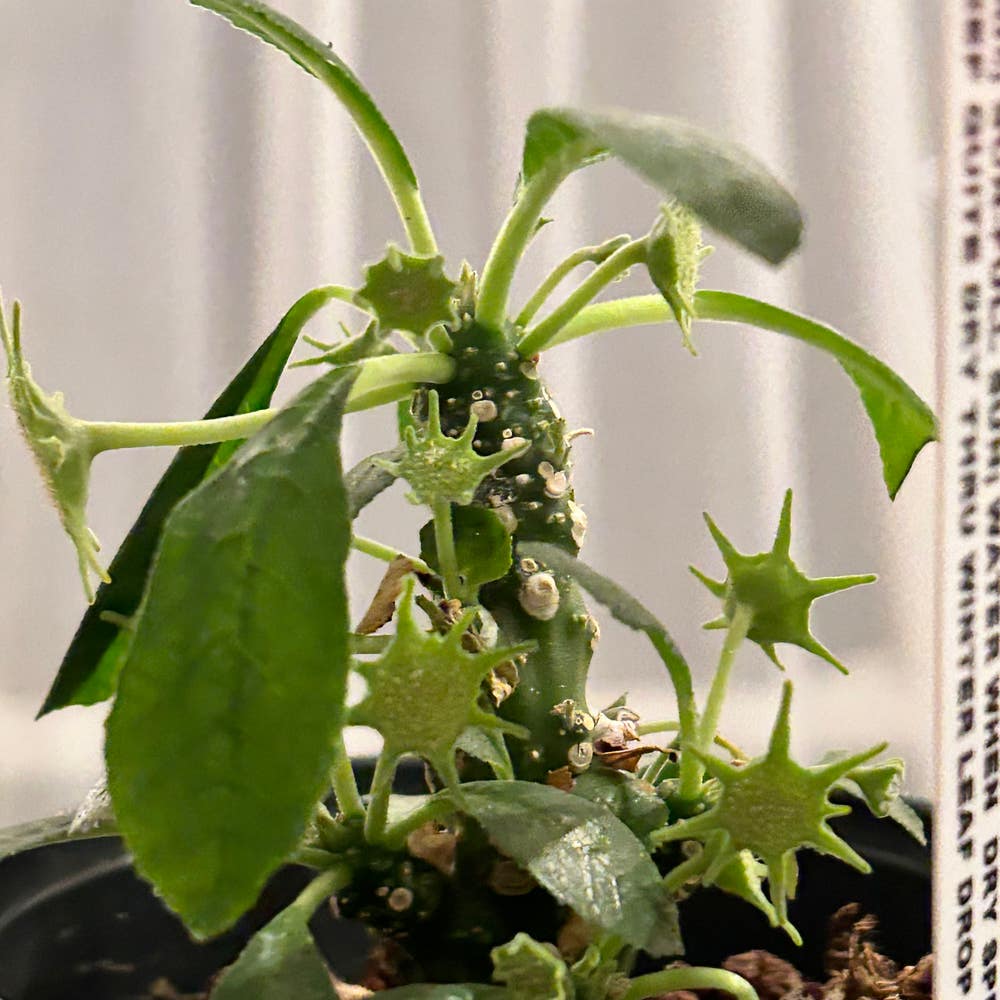
Dorstenia psilurus
By the Greg Editorial Team
Nov 07, 2024•5 min read
This article was created with the help of AI so we can cover more plants for you. May contain errors. See one? Report it here.
- 🌞 Dorstenia thrives in indirect light, avoiding direct sunlight for optimal growth.
- 🚫🔥 Excessive sunlight causes stress, leading to yellowing leaves and wilting.
- 🪴 Position near east or north-facing windows for ideal light conditions.
Dorstenia and Direct Sunlight
🌞 Does Dorstenia Need Direct Sunlight?
Dorstenia thrives in tropical and subtropical regions, where it naturally grows in shaded environments. This means that direct sunlight is not a requirement for its growth; in fact, it can do quite well in indirect light.
🌤️ Can Dorstenia Tolerate Direct Sunlight?
While Dorstenia has a limited tolerance for direct sunlight, some species may handle it better than others. It's essential to know your specific variety, as this can significantly influence how much sun exposure your plant can endure.
🔥 Effects of Too Much Direct Sunlight on Dorstenia
Excessive direct sunlight can lead to several issues for Dorstenia, including leaf burn, wilting, and stunted growth. Over time, too much sun can diminish the plant's overall health and vigor, making it less resilient.
😟 Signs of Stress in Dorstenia from Sunlight Exposure
If your Dorstenia is stressed from too much sunlight, you might notice visual indicators like yellowing leaves, crispy edges, and drooping stems. Additionally, the plant may exhibit behavioral changes, such as a slower growth rate and even leaf loss.
Understanding these signs is crucial for maintaining a healthy Dorstenia. By recognizing the symptoms of stress, you can adjust its care and ensure it thrives in the right conditions.
As we explore further, we'll look into how window direction impacts sunlight exposure for your Dorstenia.
Window Direction and Sunlight
🌞 Importance of Window Direction
The direction your window faces plays a crucial role in determining how much sunlight your Dorstenia receives. Each orientation—south, north, east, and west—offers different intensities and durations of sunlight throughout the day.
- South-facing windows: These windows get the most direct sunlight, which can be too intense for Dorstenia.
- North-facing windows: They provide gentle, indirect light, making them ideal for your plant's growth.
- East-facing windows: These offer morning sunlight, which is softer and beneficial.
- West-facing windows: They receive afternoon sun, which can be strong and potentially harmful.
☀️ How Window Direction Affects Sunlight Intensity for Dorstenia
Understanding how window direction impacts sunlight intensity is key to keeping your Dorstenia healthy.
- South-facing windows: While they bask in bright light, this can lead to stress for your plant, causing leaf burn and wilting.
- North-facing windows: These are a safe haven, providing the indirect light that Dorstenia thrives on.
🪴 Recommendations for Placing Dorstenia Based on Window Direction
To ensure your Dorstenia flourishes, consider these placement tips:
- Best placements: Position your plant near east or north-facing windows for optimal light conditions. This setup mimics its natural habitat, providing the right balance of light.
- Avoidance: Keep your Dorstenia away from south-facing windows unless you can filter the light with sheer curtains. This will help protect it from excessive sunlight exposure.
By strategically placing your Dorstenia based on window direction, you can create a nurturing environment that promotes its growth and vitality. Next, let’s explore how geographic considerations influence sunlight exposure for your plant.
Geographic Considerations
🌍 Role of Hemisphere in Sunlight Exposure
The hemisphere you live in significantly impacts how much sunlight your Dorstenia receives. In the Northern Hemisphere, summer days are longer, providing more intense sunlight, while winter days are shorter and dimmer.
Conversely, the Southern Hemisphere experiences the opposite seasonal effects. This means that plant placement should be carefully considered based on your location to ensure optimal growth conditions.
🌞 Seasonal Variations in Sunlight Intensity and Duration
As the seasons change, so does the intensity and duration of sunlight. During spring and summer, Dorstenia may receive more direct sunlight, which can be beneficial if managed correctly.
However, in fall and winter, the reduced sunlight can lead to slower growth. Adjusting your care routine during these seasonal shifts is essential for maintaining the health of your plant.
🗺️ How to Adjust Care Based on Geographic Location
Tailoring light exposure for your Dorstenia involves understanding your local climate and sunlight patterns. For instance, if you live in a region with intense summer sun, consider providing some shade during peak hours.
Plant parents should also be mindful of their specific geographic conditions. This includes adjusting watering schedules and humidity levels to complement the changing light exposure throughout the year.
Common Misconceptions
🌞 Myths About Dorstenia and Sunlight
One common myth is that "all plants need full sun to thrive." This belief can lead to misunderstandings about the care requirements of various species, including Dorstenia.
Dorstenia, in contrast, has unique light needs that set it apart from many other plants. It thrives in shaded environments typical of its native tropical and subtropical habitats, making it less dependent on direct sunlight.
🔍 Clarifying the Unique Light Needs of Dorstenia Compared to Other Plants
When comparing Dorstenia to sun-loving plants, the differences in light requirements become clear. While many plants flourish in bright, direct sunlight, Dorstenia prefers indirect light, which helps it maintain its vibrant health.
Understanding these specific needs is crucial for successful growth. By recognizing that not all plants share the same light preferences, you can create an optimal environment for your Dorstenia, ensuring it thrives beautifully.
In the next section, we will explore how window direction influences sunlight exposure for Dorstenia, helping you make informed placement decisions.
⚠️ Safety First
This content is for general information and may contain errors, omissions, or outdated details. It is not medical, veterinary advice, or an endorsement of therapeutic claims.
Always consult a qualified healthcare professional before using any plant as food, medicine, or supplement.
Never eat any plant (or feed one to pets) without confirming its identity with at least two trusted sources.
If you suspect poisoning, call Poison Control (800) 222-1222, the Pet Poison Helpline (800) 213-6680, or your local emergency service immediately.
Spotted an error? Please report it here.
Ensure your Dorstenia thrives by using Greg's tailored care plans to provide perfect light conditions 🌞, keeping it healthy and vibrant all year round!