💧 Why Are My Border Carnation Leaves Mushy?
Dianthus caryophyllus
By the Greg Editorial Team
Jun 14, 2024•8 min read
This article was created with the help of AI so we can cover more plants for you. May contain errors. See one? Report it here.
- Mushy leaves signal distress, often from overwatering or pathogens.
- Isolate and prune affected plants carefully to prevent disease spread.
- Prevent with proper care: adjust watering, airflow, and observe regularly.
Diagnosing Mushy Leaves in Border Carnations
🚱 Identifying Common Signs of Distress
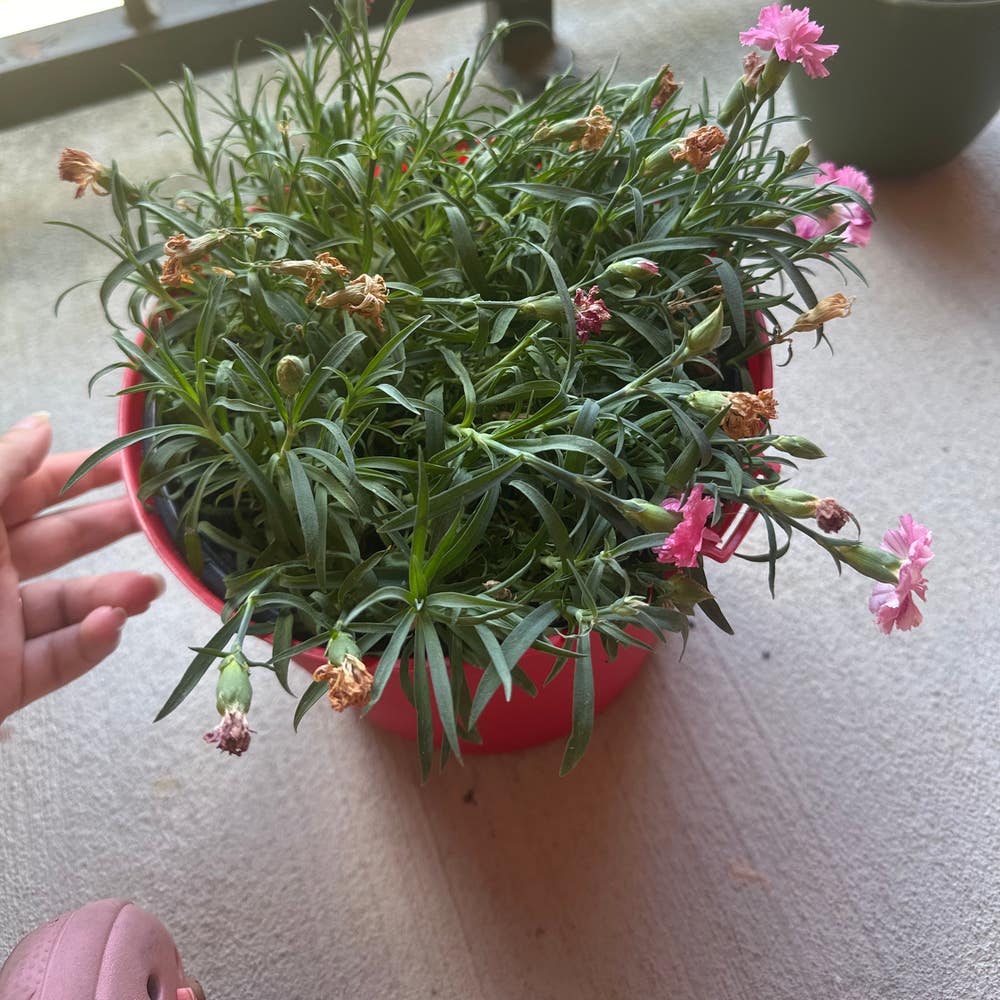
Mushy leaves on your Border Carnations are like red flags at the beach – something's not right. Look for discoloration, spots, or a general wilting demeanor. Fungal growth is another telltale sign; it's the plant world's version of a bad cold.
🕵️ Distinguishing Between Environmental and Pathogenic Causes
It's detective time: is it the environment or a pathogen causing the mush? Overwatering, poor drainage, or a spa day for roots in standing water often leads to root rot. If the roots are brown and smell like last week's compost, you've got your culprit. But don't rule out pathogens; fungi and bacteria love to throw a party at your plant's expense, leading to similar symptoms.
Caterpillars munching on leaves can also be mistaken for disease. If you see these little critters, it's time for pest control, not a watering schedule revision. Remember, the key is observation – your carnation's leaves won't go mushy without reason. Keep an eye out for any unusual changes and act swiftly.

Immediate Actions to Address Mushy Leaves
🔒 Isolation is Key
Isolate your Border Carnation immediately. Like a bad apple in a basket, one mushy plant can spoil the bunch. Check neighboring plants for signs of distress, as pests and diseases are social butterflies.
✂️ Prune with Precision
Grab your sterilized shears. It's surgery time for your plant. Snip off the mushy leaves, but don't get snip-happy—never remove more than 20% of the foliage at once. You're a gardener, not a barber.
🗑️ Disposal Matters
Dispose of the infected leaves like they're radioactive—don't compost them. These leaves are not eco-friendly; they're a biohazard to your garden.
🧹 Clean Up
After the operation, clean your tools as if preparing for the next surgery. Cross-contamination is not on today’s agenda. Remember, cleanliness is next to gardenliness.
👀 Monitor and Reflect
Keep a watchful eye on your patient post-op. If the mushiness persists, it's time to play detective and revisit your care routine. Watering habits, soil choice, and drainage—leave no stone unturned.

Chemical Treatments and Natural Remedies
🌿 Identifying the Right Treatment
When Border Carnation leaves turn to mush, it's a race against time and rot. For a chemical leg-up, fungicides and bactericides are your go-to. But not all are created equal.
🌱 Going Organic
If you're leaning towards the green side of the force, consider sulfur-based treatments or copper octanate. They're like the organic Avengers against fungal foes. For a DIY mix, baking soda is your humble kitchen ally—½ teaspoon per gallon of water and you're set.
🥇 The Copper Route
Copper fungicides are the old guards in this battle. Look for "metallic copper equivalent" (MCE) on the label; the higher the MCE, the stronger the punch it packs. Remember, copper only works when it's wet, so reapplication after rain is a must.
👷 Safety First
Whether you're spraying copper or sulfur, gear up as if you're walking into a zombie apocalypse. Protective clothing and breathing masks are non-negotiable—safety is sexy.
🏡 Homemade Alternatives
For those who talk to their plants, homemade remedies are the secret whispers of the gardening world. Charcoal, cinnamon, chamomile—these are your gentle warriors against the mush.
🚨 Preventative Measures
Don't just react; prevent. Boost airflow around your carnations, cut back on the waterworks, and keep an eye out for the early signs of trouble. It's easier to stop a snowball than an avalanche.
☢️ When to Go Nuclear
If the mush has gone too far, and your organic heart can take it, reach for the commercial fungicides. Follow the label like it's the last cookie recipe on earth—precision is key.
🌻 Continuous Care
Remember, treating mushy leaves is not a one-and-done deal. Keep vigilant, reapply treatments as necessary, and always, always love your plants hard. They'll feel it.

Soil and Water Management to Prevent Mushiness
💧 Best Practices for Watering and Soil Composition
Watering your Border Carnations is like setting up a good playlist; it needs rhythm and balance. Check the soil before watering—if it's damp, skip the encore. When you do water, make it a show, thoroughly soaking the soil until excess water drains out. No puddles, please.
🚰 Importance of Drainage and Aeration
Drainage holes are non-negotiable. They're your plant's escape route from excess water. Keep the soil loose and friable; think of adding perlite or coarse sand to hit that sweet spot of moisture retention and drainage. Aeration is like giving your plant room to breathe—compacted soil is a big no-no.
🌱 Soil Texture and Composition
Your soil mix should be the Border Carnation's best friend. Aim for a well-draining mix that still knows how to hold onto moisture without being clingy. Adjust your mix with the seasons—more water retention in the heat, less when it's cooler. Stay on your toes and adapt.
💦 Consistent Moisture Levels
Keep the moisture level consistent, like your favorite coffee brew. Not too strong, not too weak. Use a moisture meter if you're not sure. Overwatering and underwatering are the frenemies of plant health, so establish a watering routine that's as reliable as your morning alarm.
🌿 Mulching and Organic Matter
Mulch isn't just a fancy dress for your soil; it's a moisture manager that reduces watering frequency. Organic matter, like compost, is the secret sauce for healthy soil. It improves texture and invites beneficial microbes to the party, keeping your Border Carnations happy.
🕵️ Monitoring and Adjusting
Keep an eye on your plants like they're the last piece of cake at a party. Notice standing water? Time to tweak your soil mix. Leaves getting mushy? Reassess your watering schedule. Be proactive and adjust as needed—your Border Carnations will thank you with vibrant growth.
Creating Optimal Growing Conditions
🌞 Light Requirements
Border Carnations bask in full sun but appreciate a bit of shade when the sun's relentless. Think of them as sunbathers with a parasol—loving the warmth but not a sunburn.
🌡️ Temperature and Humidity
These plants are not fans of the extremes. Aim for a Goldilocks zone of 59-68°F (15-20°C), where they're neither shivering nor sweating. Humidity should be moderate, so don't turn their world into a rainforest or a desert.
📅 Regular Care Schedule
Consistency is key. Water them when the soil feels dry but don't drown them—think of a nice, hydrating drink, not a swim. Prune the dead or mushy bits to keep them looking sharp. And feed them, but not like you're at an all-you-can-eat buffet—balanced nutrients are the way to go.
🌱 Soil Composition
They crave well-drained soil like a gourmet meal. If the soil holds water like a sponge, it's a no-go. Mix in some sand or grit if you need to loosen things up.
💨 Air Circulation
Give them space to breathe. Overcrowding is about as comfortable for plants as a packed elevator is for us. Good airflow helps prevent many fungal issues before they start.
👁️ Observation
Keep an eye on them. Notice a leaf out of place? Address it. They won't tell you what's wrong, but they'll show you. Be the detective they need.
Summary of Key Strategies Against Mushy Leaves
In the battle against mushy leaves in Border Carnations, a few key strategies stand out.
🛡️ Recap of Effective Treatments
First, isolation is crucial; separate the sickly from the healthy to prevent an epidemic. Next, trim away the mushy mess with sterilized shears, because precision in pruning promotes plant prosperity.
🧪 Fungicides and Bactericides
When it comes to chemicals, don't douse your plants in desperation. Choose fungicides and bactericides wisely, ensuring they're suitable for your carnations.
🌿 Natural Remedies
For those with an organic bent, concocting a home remedy might just do the trick. Think of it as a smoothie for your plants—nutritious and protective.
💧 Water Wisdom
Watering is an art; too much, and you drown the roots, too little, and you desiccate the leaves. Aim for moist, not marshy, soil.
🌱 Soil Composition
Speaking of soil, it's the bedrock of plant health. Ensure it's well-draining and aerated, because roots need to breathe, too.
🚫 Preventive Measures
Prevention is your plant's best friend. Regular checks for pests and diseases are like routine health check-ups—non-negotiable.
🌞 Optimal Conditions
Finally, give your Border Carnations the VIP treatment: ideal light, comfy temperatures, and just-right humidity. It's like setting the perfect room temperature for a good night's sleep.
🌿 Ongoing Care
Keep a regular care schedule; it's less about being a strict plant parent and more about providing consistent love and attention.
Remember, vigilance is the price of verdant, vibrant carnations. Stay curious, stay observant, and may your garden grow with gusto.
⚠️ Safety First
This content is for general information and may contain errors, omissions, or outdated details. It is not medical, veterinary advice, or an endorsement of therapeutic claims.
Always consult a qualified healthcare professional before using any plant as food, medicine, or supplement.
Never eat any plant (or feed one to pets) without confirming its identity with at least two trusted sources.
If you suspect poisoning, call Poison Control (800) 222-1222, the Pet Poison Helpline (800) 213-6680, or your local emergency service immediately.
Spotted an error? Please report it here.
Avoid the mushy leaf mishap in your Border Carnations by letting Greg tailor watering reminders 💧 to keep your blooms healthy and thriving.