How Can You Tell If A Bald Cypress Is Dying?
Taxodium distichum
By the Greg Editorial Team
Jun 18, 2024•5 min read
This article was created with the help of AI so we can cover more plants for you. May contain errors. See one? Report it here.
- Yellow leaves? Could be over-watering or root rot—adjust watering and drainage.
- Leaf scorch or damage? Too much sun or temperature stress—provide shade and stabilize climate.
- Pests and fungi threats? Use insecticidal soap and fungicide, and improve airflow.
When Water Works Against You
💧 Over-Watering Woes
Yellowing leaves can signal that your Bald Cypress is getting more water than it can handle. Roots need air as much as water, and too much of the latter can lead to root suffocation.
To remedy this, reduce watering immediately. Allow the soil to dry out between watering sessions. If the soil feels like a wet sponge, it's a sign to hold back on the H2O. Ensure proper drainage to prevent water from pooling around the roots.
🏜️ Under-Watering Symptoms
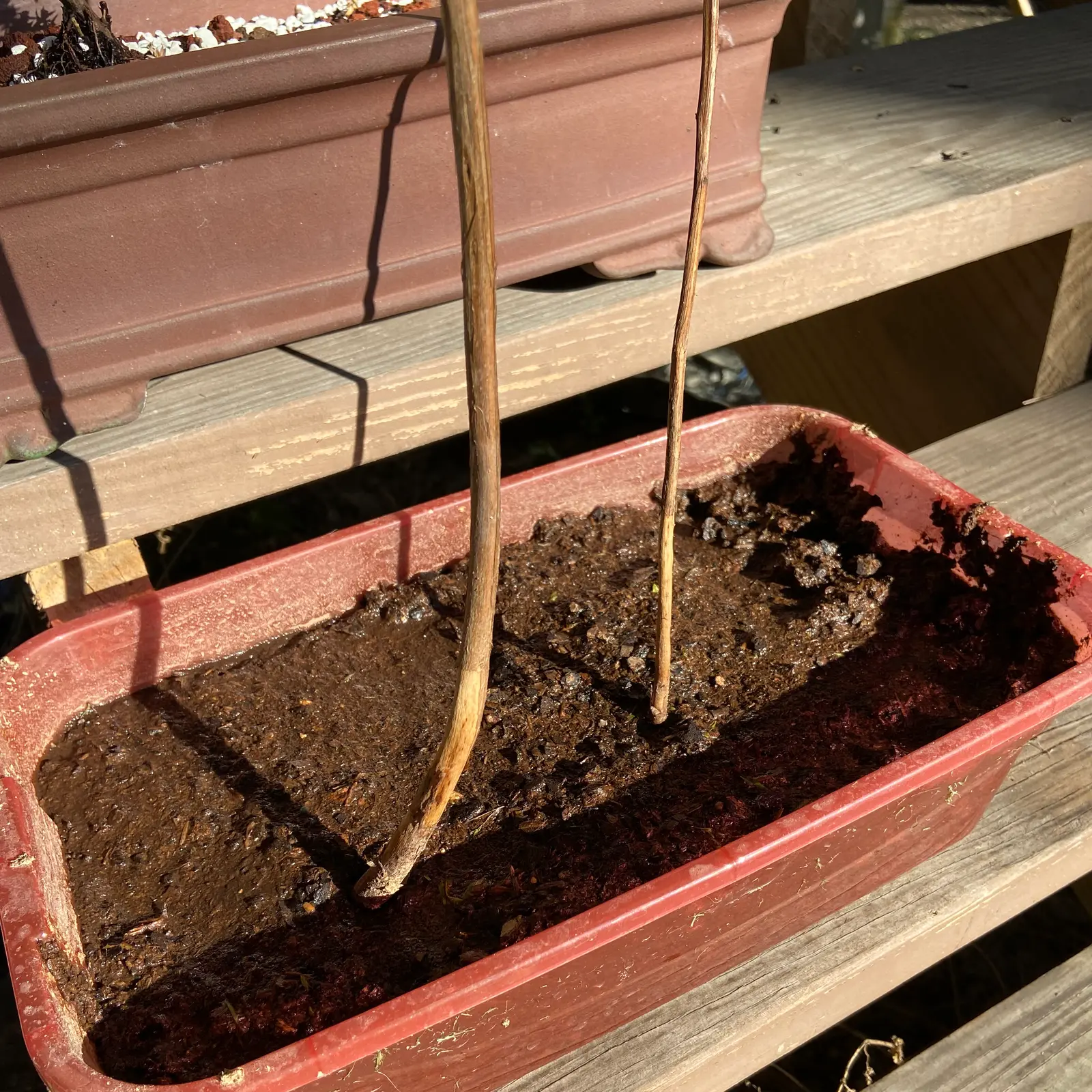
Conversely, wilting leaves and soil that crumbles to the touch are cries for hydration. Under-watering can be just as harmful as over-watering, leaving your Bald Cypress thirsty and stressed.
To address this, establish a consistent watering schedule that keeps the soil moist but not soggy. Water deeply to reach the roots, but avoid creating a swamp. Finding the watering sweet spot is key to a healthy Bald Cypress.
Light and Temperature: Finding the Balance
🌞 Too Much Sun, Too Little Shade
Bald Cypress trees are not sunbathers. Leaf scorch is your first clue that your tree is getting too much light. Look for brown tips or patches on leaves that feel as crispy as autumn leaves. If your tree's leaves are curling up, it's trying to tell you it's had enough sun for the day.
To prevent your Bald Cypress from turning into a leafy crisp, relocate it to a spot with bright, indirect light. This might mean moving it a few feet away from that sun-drenched spot or providing some shade during the peak hours of sunlight. It's like giving your tree a pair of sunglasses.
🌡️ Temperature Tantrums
The Bald Cypress can throw a temperature tantrum like a toddler. Signs of temperature stress include leaves that look like they've been through a desert storm or, conversely, leaves that are stunted and darkened as if they've been left in the fridge.
To keep your tree's climate stable, think insulation and microclimates. If you're in a hot zone, a shade cloth can be your tree's best friend during a heatwave. In cooler areas, positioning your tree to protect it from cold drafts can make all the difference. It's all about avoiding those dramatic temperature swings that can send your tree into shock.
Pests and Pathogens: The Unseen Enemies
🐛 Bug Battles
Bald Cypress trees can fall victim to various pests, including cypress leaf beetles, spider mites, and aphids. These critters can wreak havoc, leaving behind telltale signs like sticky residue or fine webs.
Act fast when you spot these symptoms. Insecticidal soap or neem oil can be effective first strikes against these invaders. For a more eco-friendly approach, consider introducing predatory insects like ladybugs or parasitic nematodes to your garden's defense lineup.
🍄 Fungus Among Us
Fungi and mold can be just as stealthy and destructive as insects. White or black spots on leaves signal a fungal party that needs to be crashed.
Increase airflow and consider applying a fungicide to nip the problem in the bud. Prune affected areas to prevent spread. Remember, keeping the foliage dry and improving circulation are key moves in your anti-fungal playbook.

Root Rot: The Silent Cypress Killer
🚨 Warning Signs Below the Soil
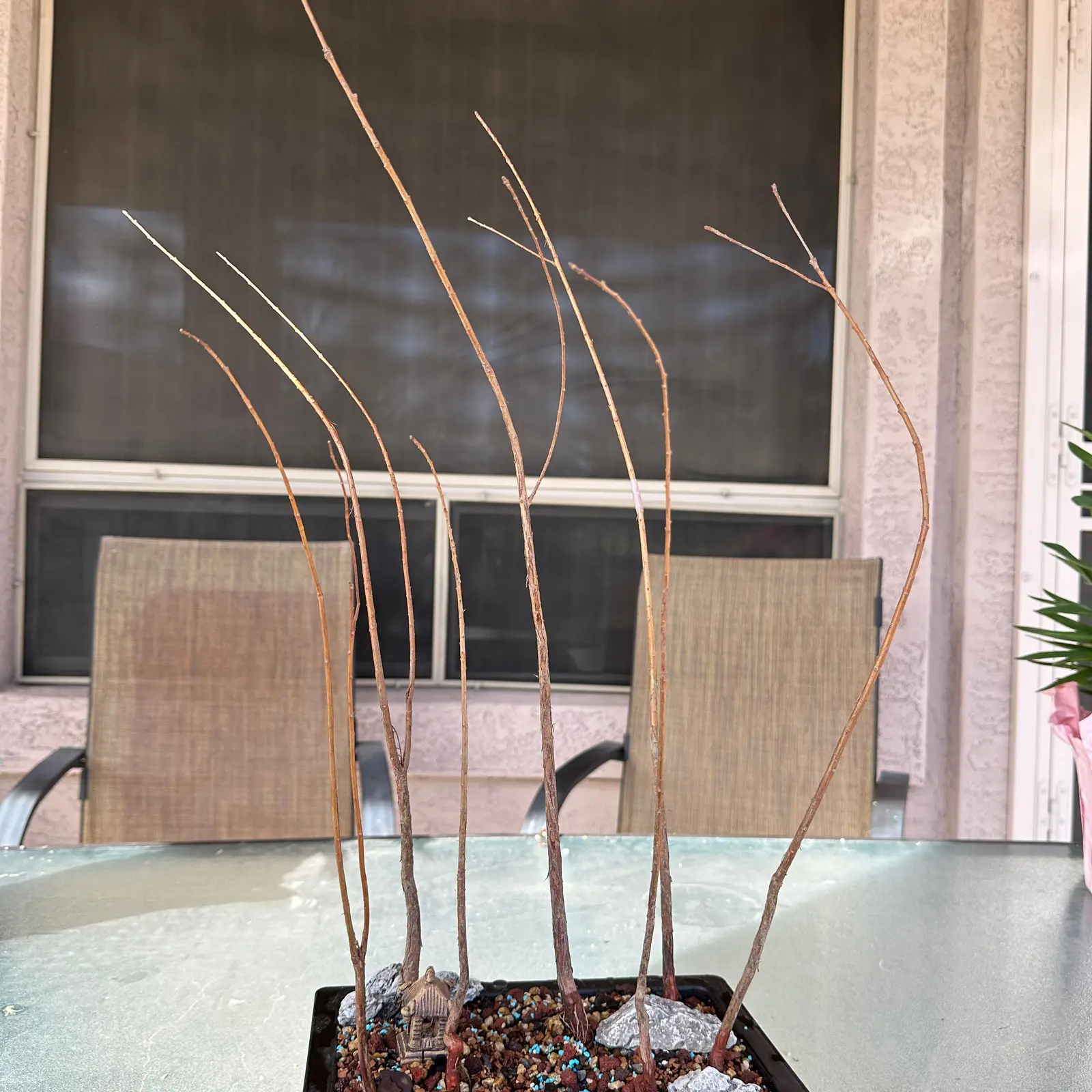
Detecting the early signs of root rot is like playing detective with your Bald Cypress. Look for stunted growth, leaves that have lost their vigor, turning from firm and green to yellow and wilted. If the roots are blackened or mushy, you're likely dealing with the aftermath of fungal invaders.
Root revival is no small feat. It starts with aeration to give the soil and roots some much-needed breathing room. Think of it as loosening a tight belt after a big meal. Follow up with soil amendments; incorporating organic matter can improve drainage and create a less hospitable environment for those root-rotting fungi.
🔄 Root Revival: Aeration and Soil Amendments
Aerate your soil to prevent compaction, ensuring it's as fluffy as a well-risen cake. This can be a game-changer for waterlogged roots gasping for air.
Mix in soil amendments like compost or perlite to enhance drainage. It's like upgrading your Bald Cypress's living quarters from a damp basement to a penthouse with a view. Remember, moderation is key when watering—treat your tree to a drink, not a flood.
Revival Roadmap: Bringing Your Bald Cypress Back
🌱 Step-by-Step Recovery
🛠 Tailored Care Adjustments
To revive a struggling Bald Cypress, first identify the issue. For chlorosis, ensure iron availability by adjusting soil pH or applying chelated iron. If pests like beetles or mites are the culprits, introduce natural predators or apply insecticidal soap. Combat needle blight with regular watering and consider fungicides for severe cases. For bagworms, physically remove the sacs or use a targeted pesticide.
🕵️ Monitoring Progress
Keep a watchful eye on your Bald Cypress's recovery. Look for new growth as a positive sign. If the tree's condition doesn't improve or worsens, reassess and adjust your care strategy. Patience is crucial; trees don't recover overnight. Regularly check for pests, signs of disease, and ensure the soil moisture is consistent with the tree's needs.
🌧 Tweaking Care Routines
Adjust watering habits based on the season and weather patterns. In hot, dry periods, increase watering frequency to prevent drought stress. Prune dead or infected branches to encourage healthy growth and improve air circulation. If you've made significant cuts, do so in stages to avoid shocking the tree. Remember, soil quality matters; consider a soil mix that retains moisture without becoming waterlogged.
⚠️ Safety First
This content is for general information and may contain errors, omissions, or outdated details. It is not medical, veterinary advice, or an endorsement of therapeutic claims.
Always consult a qualified healthcare professional before using any plant as food, medicine, or supplement.
Never eat any plant (or feed one to pets) without confirming its identity with at least two trusted sources.
If you suspect poisoning, call Poison Control (800) 222-1222, the Pet Poison Helpline (800) 213-6680, or your local emergency service immediately.
Spotted an error? Please report it here.
Bring your Bald Cypress back to vigorous health 🌳 with Greg's custom watering schedules and access to expert advice for any issue your tree might face.
