Propagating Bald Cypress: The Ultimate Guide
Taxodium distichum
By the Greg Editorial Team
Jun 18, 2024•5 min read
This article was created with the help of AI so we can cover more plants for you. May contain errors. See one? Report it here.
- Harvest seeds in fall and use scarification and stratification for germination.
- Softwood cuttings in late spring yield best vegetative propagation results.
- Air layering is effective; maintain high humidity for root development.
From Seed to Seedling: The Journey Begins
🌲 Collecting and Preparing Seeds
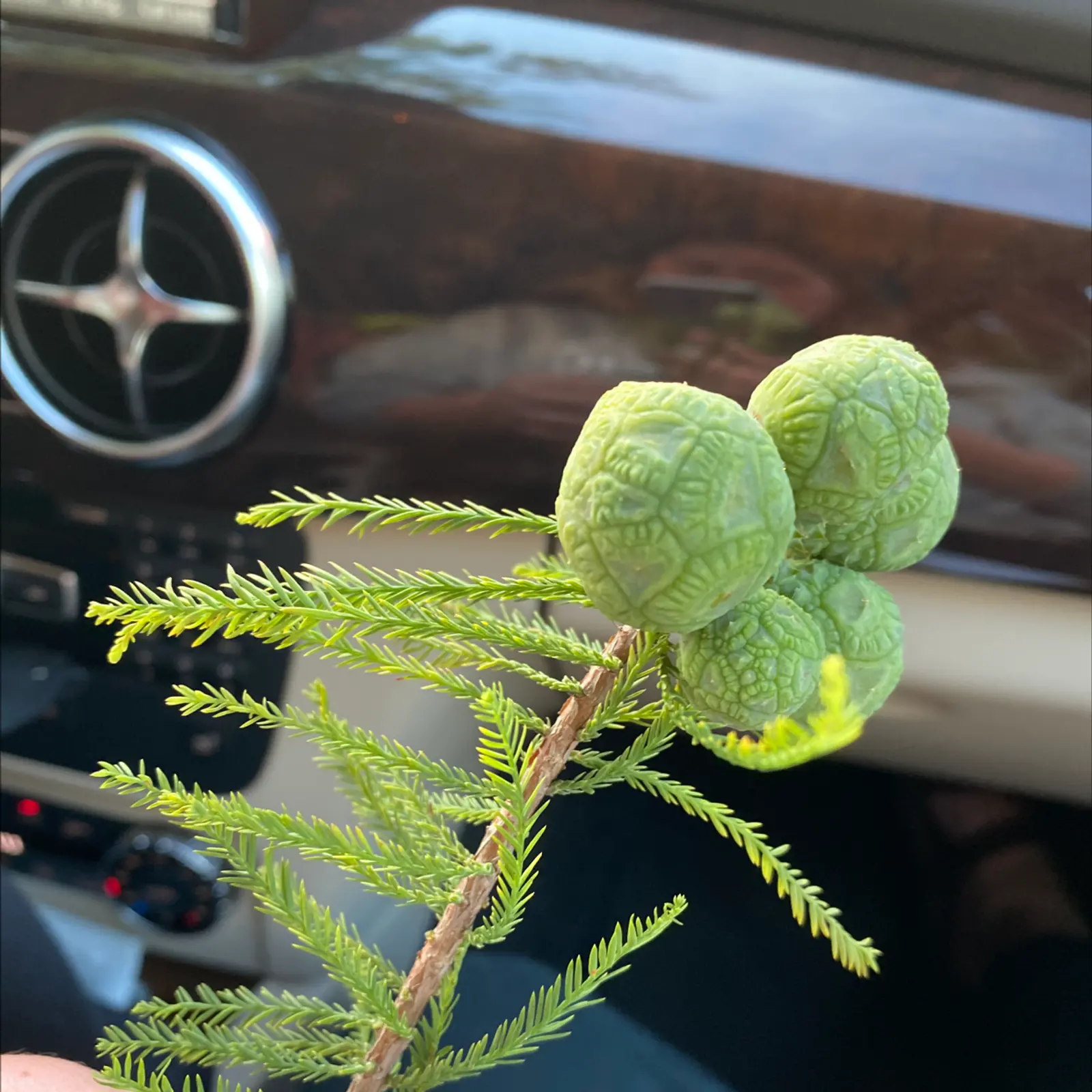
Harvesting Bald Cypress seeds is a sticky affair. In the fall, grab the round cones before they pop open. Let them dry, then break them apart, but beware the resin—it's like nature's superglue. Store the seeds with their sticky companions in airtight containers in the fridge; they're in it for the long haul with their physiological dormancy.
Scarification and stratification are your seeds' wake-up calls. Scratch their surfaces gently, then give them a cold spell. It's not a guessing game; follow the rules, or you'll be waiting on seedlings that'll never show.
🌱 Sowing the Seeds
When planting, think of your soil mix as a bed for kings—rich and well-draining. Plant the seeds at just the right depth, and space them out like they're each other's distant relatives.
Moisture is your seedling's best friend, but too much love can lead to damping-off disease. Keep it damp, not drenched. Temperature is another tightrope; too hot or cold, and you'll have unhappy campers. Remember, these future giants need their space and the right conditions to reach for the skies.
Cloning Giants: Vegetative Propagation Techniques
🌱 Taking the Right Cuttings
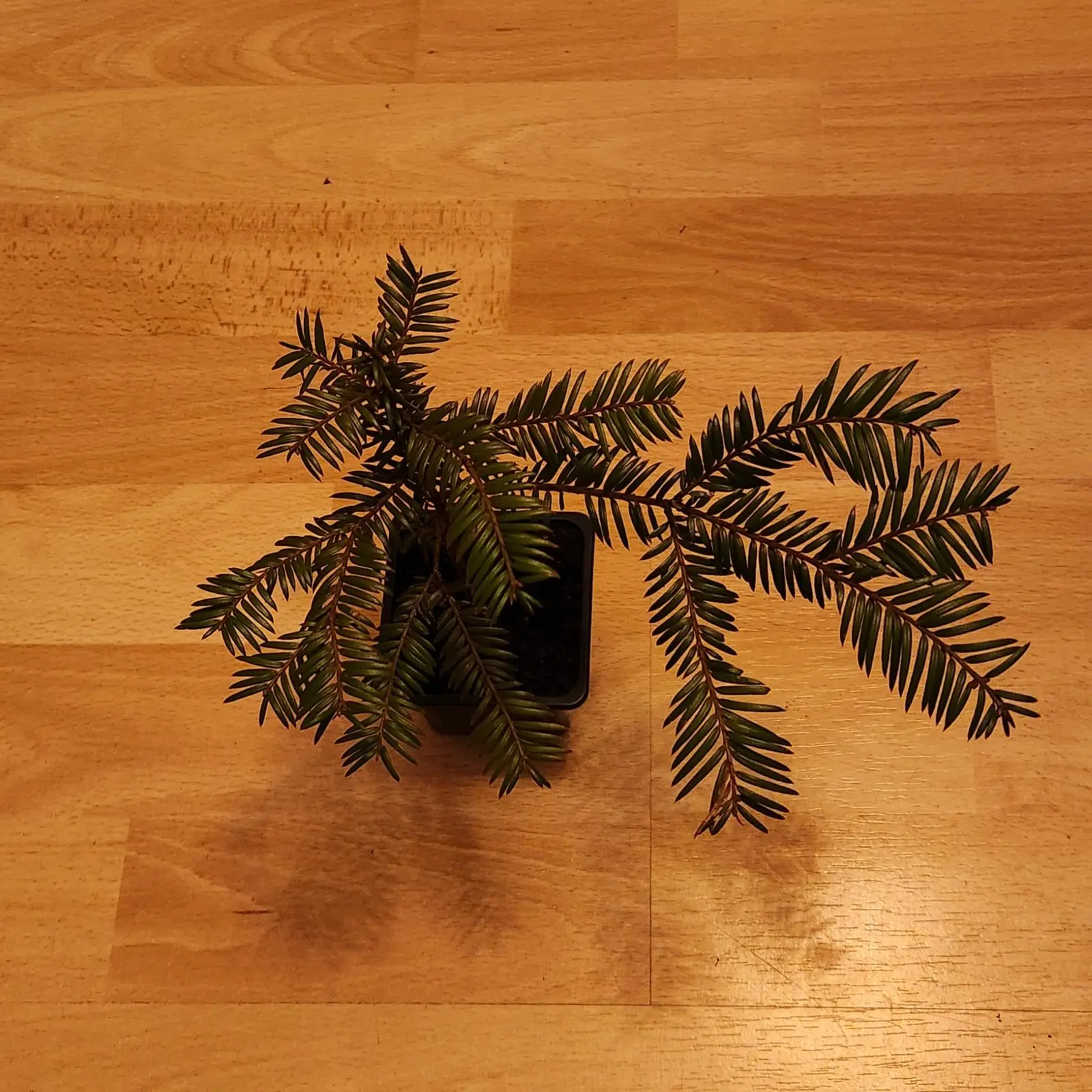
Timing is everything when taking cuttings from a Bald Cypress. Opt for softwood cuttings in late spring to early summer, when they're less mature and more likely to root quickly. However, they can be delicate, so handle with care. If you miss this window, semi-hardwood cuttings in mid-summer are your next best bet.
To prepare, select vigorous young shoots from the current season's growth. These should be neither too thick nor too thin. Use a sharp knife for a clean cut to minimize damage and stress to the parent plant and the cutting.
🌱 Rooting Your Cuttings
Once you've taken your cuttings, it's time to coax them into rooting. Dip the cut end into rooting hormone to encourage growth and plant them in a mixture of sterile peat moss, coarse sand, and perlite. This environment keeps the cuttings moist but not waterlogged.
Patience is key, as roots can take several weeks to develop. Keep the humidity high and the soil consistently moist with a water mister. If you encounter fungal diseases—a common headache in propagation—ensure your setup isn't too humid and that air circulation is adequate.
Remember, the goal is to replicate the majestic Bald Cypress, so give your cuttings the attention they deserve to grow into the giants they are meant to be.
Aerial Mastery: Air Layering Method
🌱 Setting Up for Success
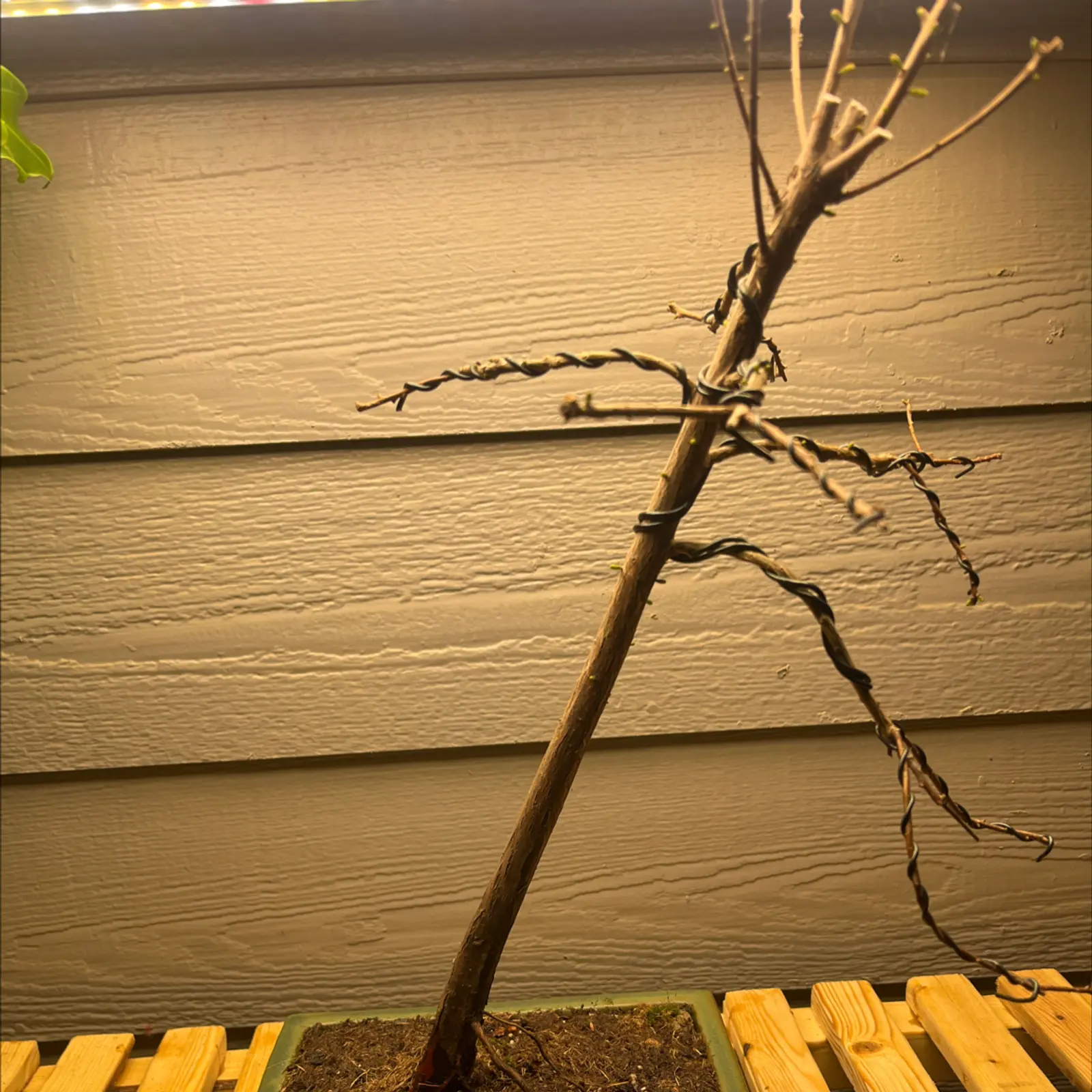
Air layering the Bald Cypress is like a magic trick for plant propagation, except you're the magician with a green thumb. Here's how to pull a rabbit, or rather, a new tree, out of your hat.
- Choose your branch: Look for one that's healthy and about the thickness of a pencil.
- Make your marks: With a sterile blade, score two rings around the stem, about an inch apart.
- Peel it back: Remove the bark between the cuts to expose the cambium layer.
- Moss it up: Wrap a damp sphagnum moss pad, treated with rooting hormone, around the exposed area.
- Wrap it tight: Cover the moss with clear plastic wrap and secure it with ties.
🌿 Care for Air-Layered Plants
Once you've got roots thick enough to make a hairstylist jealous, it's time to transition your air-layered Bald Cypress to its new home.
- Snip with confidence: Cut below the new roots to separate your botanical baby from its parent tree.
- Pot it like it's hot: Plant in a pot with well-draining, acidic soil—peat moss can help if your soil's pH is too low.
- Keep it humid: Mimic a mini greenhouse with a clear plastic bag over the plant, but don't let it turn into a sauna. Watch for mold and dial down the humidity if needed.
Remember, air layering is more of a marathon than a sprint. Patience and care will reward you with a new Bald Cypress ready to stand tall.
Aftercare for Propagated Plants
🌱 Nurturing Young Trees
After the thrill of propagation, nurturing your Bald Cypress seedlings and cuttings is paramount. Water them immediately after potting, creating a cozy environment for the roots. Keep the soil moist, akin to a well-wrung sponge. If the top inch feels dry, it's time for another round of hydration.
🌞 Light and Location
Bright, indirect sunlight is the sweet spot for your young trees. Direct sun is too harsh, like throwing a rookie into the championship game. Gradually acclimate them to their new home, avoiding the shock of sudden environmental changes.
👀 Growth Monitoring
Keep a vigilant eye on your plants. New growth is a high-five from nature, signaling they're settling in. If you spot yellowing leaves or stunted growth, it's time to troubleshoot—adjust light, water, or nutrients accordingly.
🏡 Transplant Readiness
When your Bald Cypress shows signs of robust growth, it's nearly transplant time. Choose a pot that offers room to grow without swimming in space. Ensure the potting mix drains well to prevent the dreaded root rot.
🐜 Pest Management
Watch for uninvited guests like aphids and whiteflies. If pests make an appearance, insecticidal soap or neem oil is your bouncer, keeping your plants pest-free.
🍽️ Fertilizing
Introduce fertilizer like you're easing into a hot bath—start with a half-strength solution. Overfeeding is as bad as overwatering, so keep it light and nutritious.
Remember, aftercare isn't just about keeping plants alive; it's about setting the stage for a lifetime of growth.
⚠️ Safety First
This content is for general information and may contain errors, omissions, or outdated details. It is not medical, veterinary advice, or an endorsement of therapeutic claims.
Always consult a qualified healthcare professional before using any plant as food, medicine, or supplement.
Never eat any plant (or feed one to pets) without confirming its identity with at least two trusted sources.
If you suspect poisoning, call Poison Control (800) 222-1222, the Pet Poison Helpline (800) 213-6680, or your local emergency service immediately.
Spotted an error? Please report it here.
Successfully propagate your Bald Cypress by following this ultimate guide and use Greg's reminders 📅 to ensure your seedlings and cuttings thrive every step of the way.