🌳 3 Tips for Light Requirements for Your Swamp Cypress
Taxodium distichum
By the Greg Editorial Team
Nov 25, 2024•4 min read
This article was created with the help of AI so we can cover more plants for you. May contain errors. See one? Report it here.
- ☀️ Swamp cypress thrives in full sun, needing 6-8 hours of direct light daily.
- 🌳 Partial shade is tolerated, but optimal growth requires ample sunlight.
- 💡 Indoor cypress needs bright, indirect light; consider grow lights for low-light conditions.
Ideal Light Conditions for Outdoor Growth
Sunlight Needs 🌞
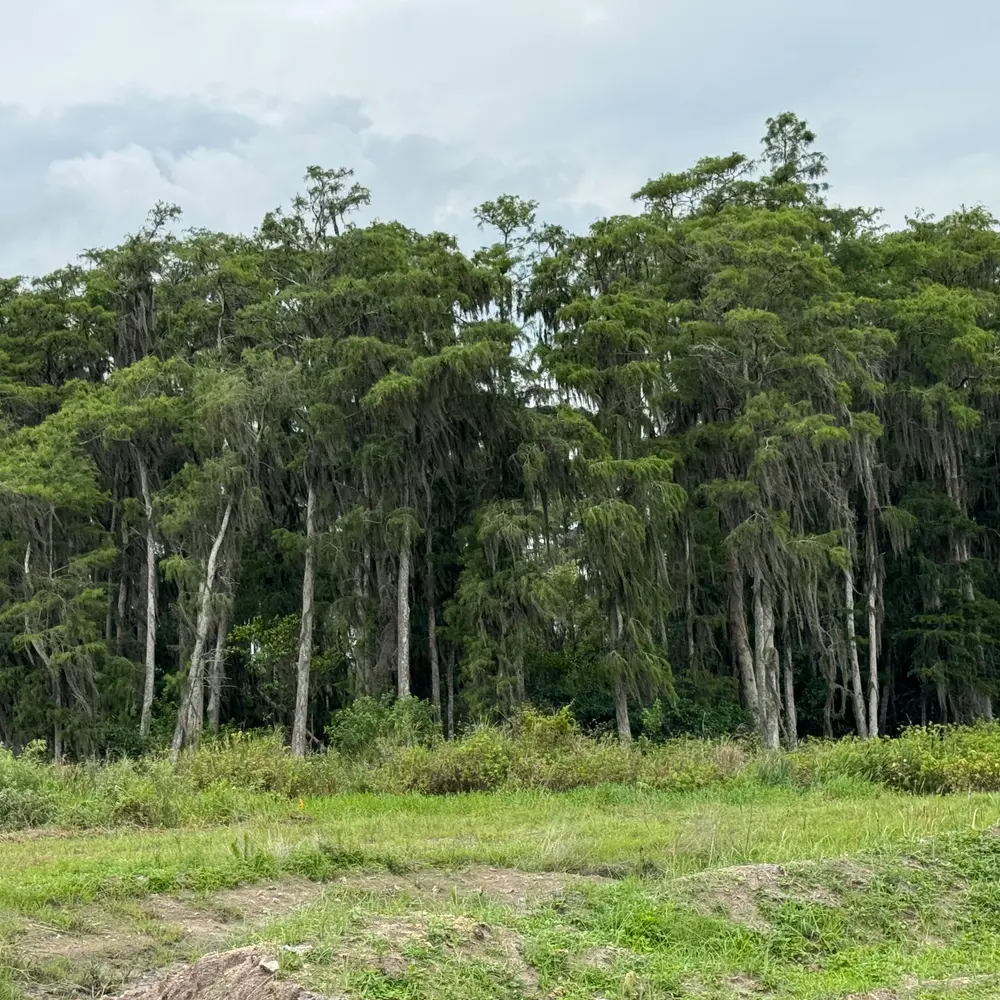
Swamp cypress trees thrive in full sun, requiring 6-8 hours of direct sunlight daily. This exposure is crucial as it promotes healthy growth and vibrant foliage, allowing these majestic trees to reach their full potential.
Shade Tolerance 🌳
While swamp cypress prefers full sun, it can tolerate partial shade. This means 3-6 hours of direct sunlight or filtered light can still support growth, though it may lead to a slower growth rate and a leggy appearance.
Recommendations for Planting Locations
When selecting a planting location, aim for areas that receive ample sunlight. Positioning your swamp cypress near open spaces or in spots that avoid heavy tree cover will ensure it gets the light it needs to flourish.
By understanding these light requirements, you can create an optimal environment for your swamp cypress, setting the stage for robust growth and stunning visual appeal.
Ideal Light Conditions for Indoor Growth
Indoor Light Exposure 🌞
For your swamp cypress to thrive indoors, it needs optimal light exposure. Bright, indirect light is ideal for maintaining its health and vibrancy.
Direct sunlight can be detrimental, leading to leaf scorch. It's crucial to find a balance that allows your plant to soak up the light without the risk of damage.
Light Intensity 💡
Measuring light intensity is essential for ensuring your swamp cypress gets the right amount of light. You can use light meters or even smartphone apps to assess indoor light levels effectively.
Once you have your readings, adjust the light exposure accordingly. If the light is too low, consider moving your plant closer to a window or using reflective surfaces to enhance light distribution.
By paying attention to these light conditions, you can help your swamp cypress flourish indoors, setting the stage for its growth and overall health. Next, let’s explore how light impacts flowering and growth.
The Role of Light in Flowering and Growth
🌸 Flowering Characteristics
Swamp cypress trees produce minimal flowering, showcasing small, inconspicuous cones. However, providing adequate light can enhance cone production, making it essential for those looking to maximize their tree's flowering potential.
🌱 Growth Implications
Light exposure plays a crucial role in the overall health of your swamp cypress. Consistent light not only supports robust growth but also ensures that the tree thrives in its environment, leading to lush foliage and a strong structure.
In summary, understanding the relationship between light and growth can significantly impact your swamp cypress's vitality. As we explore the next section, we'll delve into how to effectively use grow lights for indoor growth, ensuring your tree receives the light it needs year-round.
Use of Grow Lights for Indoor Growth
🌟 Benefits of Grow Lights
Using grow lights can be a game-changer for your swamp cypress, especially when natural light falls short. If your indoor space lacks sufficient sunlight or seasonal changes dim your plant's prospects, grow lights can provide the boost it needs.
These lights mimic the sun's rays, ensuring your plant receives the necessary light for healthy growth. They can help maintain vibrant foliage and overall vitality, even in the darkest months.
💡 Types of Grow Lights
When selecting grow lights, you have a couple of solid options: LED and fluorescent.
LED vs. Fluorescent Options
LED Lights: These are energy-efficient and long-lasting, making them a popular choice. They emit less heat, reducing the risk of scorching your swamp cypress.
Fluorescent Lights: While they are generally cheaper upfront, they consume more energy and have a shorter lifespan. However, they can be effective for smaller setups.
🌈 Ideal Light Spectrum for Promoting Growth
For optimal growth, look for lights that provide a full spectrum. This means they emit wavelengths across the visible spectrum, which is crucial for photosynthesis.
Using the right grow lights can transform your indoor gardening experience, ensuring your swamp cypress thrives regardless of external conditions.
As you consider your options, remember that the right light can make all the difference in your plant's health and growth. Next, let’s explore common light-related issues and their solutions to keep your swamp cypress flourishing.
Common Light-Related Issues and Solutions
Identifying Problems 🌱
Inadequate light exposure can lead to several noticeable symptoms in your Swamp Cypress. Look out for yellowing leaves, stunted growth, and a leggy appearance, which indicate that your plant isn't receiving enough light.
Solutions 💡
To improve light conditions, consider adjusting the placement of your plant. Moving it closer to windows or utilizing reflective surfaces can significantly enhance its light exposure.
If natural light is still insufficient, implementing grow lights is a great alternative. Setting up a grow light schedule can help create optimal growth conditions, ensuring your Swamp Cypress thrives indoors.
By addressing these light-related issues, you can foster a healthier, more vibrant plant. Next, let’s explore how light plays a crucial role in flowering and overall growth.
⚠️ Safety First
This content is for general information and may contain errors, omissions, or outdated details. It is not medical, veterinary advice, or an endorsement of therapeutic claims.
Always consult a qualified healthcare professional before using any plant as food, medicine, or supplement.
Never eat any plant (or feed one to pets) without confirming its identity with at least two trusted sources.
If you suspect poisoning, call Poison Control (800) 222-1222, the Pet Poison Helpline (800) 213-6680, or your local emergency service immediately.
Spotted an error? Please report it here.
Ensure your swamp cypress thrives by mastering its light needs, and let Greg help you achieve the ideal lighting conditions 🌞 with personalized reminders and measurements!