Best Tips for Healthy Swamp Cypress Roots 💧
Taxodium distichum
By the Greg Editorial Team
Nov 25, 2024•6 min read
This article was created with the help of AI so we can cover more plants for you. May contain errors. See one? Report it here.
- 🌳 Swamp cypress roots thrive with consistent moisture and deep watering during dry spells.
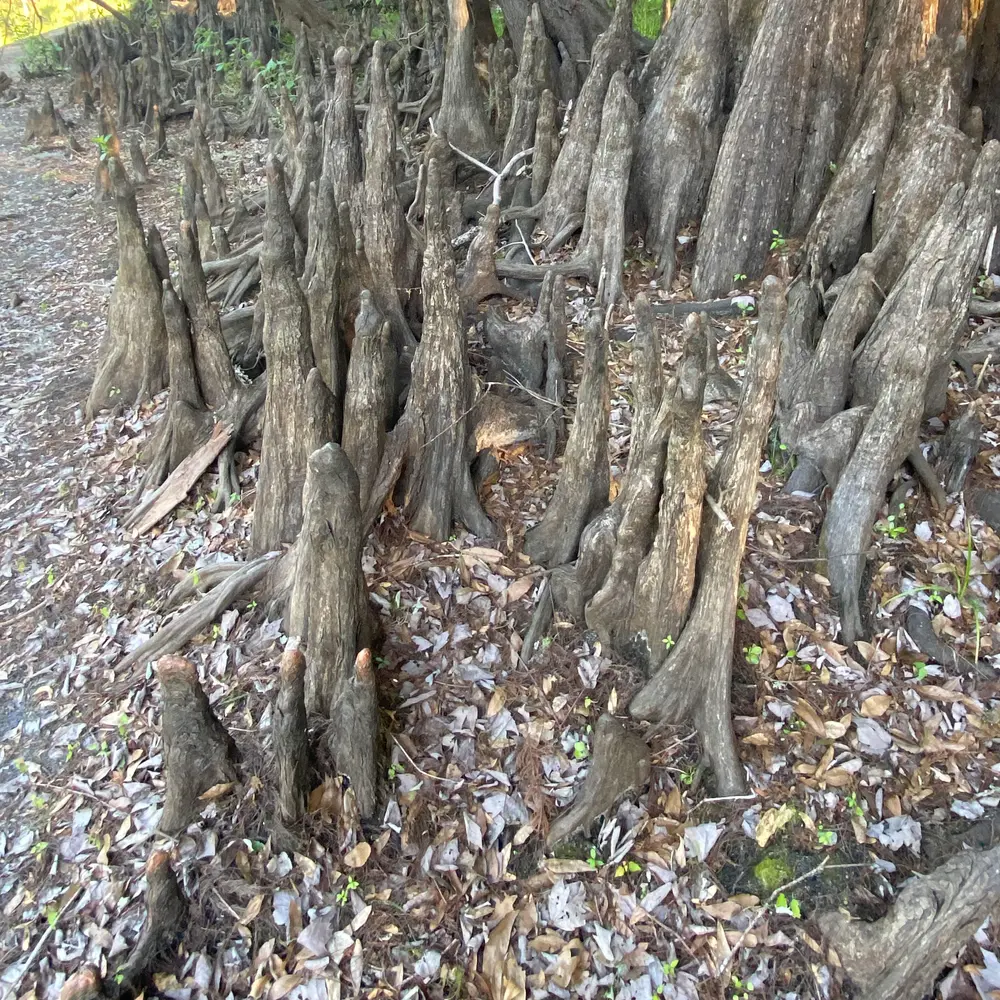
- 🌊 Knees aid stability and gas exchange, helping trees adapt to fluctuating water levels.
- ⚠️ Signs of root rot include yellowing leaves; adjust watering to prevent damage.
Root System Characteristics
🌱 Type of Root System
Swamp cypress trees boast a primarily taproot system complemented by fibrous roots. The taproot provides deep anchoring into the soil, ensuring stability and access to deeper water sources during drought conditions.
Fibrous roots play a crucial role as well. They spread extensively laterally, enhancing nutrient absorption and adapting to saturated soils for both stability and gas exchange.
📏 Root Depth and Spread
In optimal conditions, swamp cypress roots typically reach depths of 6 to 10 feet. Their lateral roots can extend an impressive 20 to 30 feet from the trunk, showcasing their expansive growth potential.
These trees exhibit unique growth patterns, including the development of "knees." These structures not only provide stability but also facilitate gas exchange, allowing the tree to thrive in fluctuating water levels. Adaptations to both flooding and drought further enhance their resilience, making them a fascinating species to study and cultivate.
Understanding these root characteristics is essential for anyone looking to maintain healthy swamp cypress trees. With this knowledge, you can ensure that your trees are well-supported and thriving in their environment.
Watering and Fertilizing Techniques
Watering Needs 🌊
Maintaining consistent moisture is crucial for swamp cypress roots, especially in saturated soils. During dry spells, ensure deep watering every 1-2 weeks to keep the roots hydrated.
Watch for signs of overwatering, such as yellowing leaves and root rot. These indicators can signal that your cypress is struggling, so adjust your watering routine accordingly.
Fertilization Techniques 🌱
Using a balanced NPK fertilizer is essential for promoting healthy growth in swamp cypress. Aim to fertilize in early spring and mid-summer to provide the necessary nutrients.
When applying fertilizer, incorporate it into the topsoil, taking care to avoid direct contact with the roots. This method helps ensure that nutrients are available without risking root damage.
With proper watering and fertilization techniques, your swamp cypress will thrive. Next, let’s explore the best practices for transplanting these resilient trees.
Transplanting Best Practices
Techniques for Transplanting 🌱
Transplanting swamp cypress requires careful timing and preparation. The best times to transplant are early spring or fall, as these seasons provide optimal conditions for root establishment.
Before you begin, ensure the new site has well-draining, moist soil. This is crucial for the health of your cypress.
Here are the essential steps for a successful transplant:
- Digging a wide root ball: Aim for a diameter of 12-18 inches to capture enough roots.
- Minimizing root disturbance: Handle the root ball gently to keep roots intact during the move.
- Watering thoroughly: After transplanting, give your cypress a good soak to help it settle into its new home.
Impact on Transplant Success 🌳
Maintaining root integrity is vital for a successful transplant. Damaged roots can lead to transplant shock, which may hinder your cypress's growth.
After transplanting, keep an eye on your tree's health. Look for signs of stress, such as wilting or yellowing leaves, and monitor its recovery closely. With the right care, your swamp cypress can thrive in its new environment.
As you prepare for transplanting, remember that the right techniques can make all the difference in ensuring your cypress flourishes. Next, let’s explore common root-related issues that can arise during this process.
Common Root-Related Issues
🕵️ Identifying and Solving Root Rot
Root rot can be a serious issue for swamp cypress trees, manifesting through symptoms like wilting, yellowing leaves, and mushy roots. These signs often indicate that the roots are struggling due to overwatering or poor drainage.
To combat root rot, start by improving drainage in the soil. This can be achieved by amending the soil with materials that enhance aeration. Additionally, reducing the frequency of watering can help prevent excess moisture from accumulating around the roots.
🚫 Preventing Root-Related Problems
Prevention is key when it comes to maintaining healthy roots. Regularly inspecting root health during repotting or transplanting can help catch issues early.
Ensure that the soil composition is well-draining yet retains some moisture. This balance is crucial for the swamp cypress to thrive, as it allows for proper nutrient absorption while preventing waterlogged conditions.
By staying proactive about root health, you can significantly reduce the risk of root-related problems. This approach not only supports the overall vitality of your swamp cypress but also enhances its resilience against environmental stressors.
Next, let’s explore how to recognize the indicators of root health, which will further empower you in caring for your swamp cypress.
Root Health Indicators
Visual Cues of Healthy vs Unhealthy Roots 🌱
Healthy roots are a gardener's pride. They should feel firm and display a white or light tan color, signaling vitality and good health.
In contrast, unhealthy roots present a worrying sight. Look for dark, mushy textures or foul odors, which indicate rot and decay.
Recognizing Rootbound Conditions 🚧
Rootbound conditions can stifle growth and vitality. This occurs when roots circle the pot, restricting their ability to absorb nutrients and water.
Common indicators include stunted growth and roots pushing through drainage holes. If you notice these signs, it’s time to take action.
Solutions for Rootbound Issues 🔧
To remedy rootbound conditions, consider repotting into a larger container. This provides the roots with more space to expand and thrive.
Another effective solution is pruning circling roots. This encourages new growth and helps the plant regain its vigor.
By keeping an eye on these root health indicators, you can ensure your swamp cypress remains robust and flourishing. Next, let’s explore propagation and division techniques to further enhance your gardening skills.
Propagation and Division
🌱 Importance of Root Health
Healthy roots are the backbone of successful propagation and division. Before you dive into the process, assess the root health to ensure your efforts yield thriving new plants.
🔍 Techniques for Assessing Root Health
Look for firm, white or light tan roots, which indicate vitality. If you encounter dark, mushy roots or any foul odors, it’s a sign that something is amiss.
✂️ Effective Division Techniques
The best time to divide swamp cypress is early spring, just as growth begins. This timing maximizes the chances of successful establishment in new locations.
Steps for Division
- Carefully dig around the root system to avoid unnecessary damage.
- Use a sharp, clean tool to separate sections, ensuring each has a healthy portion of roots.
- Replant immediately in suitable soil conditions to minimize stress.
💧 Post-Division Care
After division, regular watering is crucial to help the plants settle in. Keep an eye out for signs of stress, such as wilting or yellowing leaves, and adjust care as needed.
By following these guidelines, you can ensure that your swamp cypress thrives, whether you're propagating new plants or dividing existing ones. With healthy roots and proper techniques, your gardening journey will be both rewarding and fruitful.
⚠️ Safety First
This content is for general information and may contain errors, omissions, or outdated details. It is not medical, veterinary advice, or an endorsement of therapeutic claims.
Always consult a qualified healthcare professional before using any plant as food, medicine, or supplement.
Never eat any plant (or feed one to pets) without confirming its identity with at least two trusted sources.
If you suspect poisoning, call Poison Control (800) 222-1222, the Pet Poison Helpline (800) 213-6680, or your local emergency service immediately.
Spotted an error? Please report it here.
Nurture your swamp cypress roots to thrive 🌳 with Greg's tailored watering reminders and expert care tips that ensure your trees reach their full potential!