🌳 Swamp Cypress Is Not an Annual
Taxodium distichum
By the Greg Editorial Team
Nov 25, 2024•4 min read
This article was created with the help of AI so we can cover more plants for you. May contain errors. See one? Report it here.
- 🌳 Swamp cypress is a perennial tree, thriving for hundreds of years in wetlands.
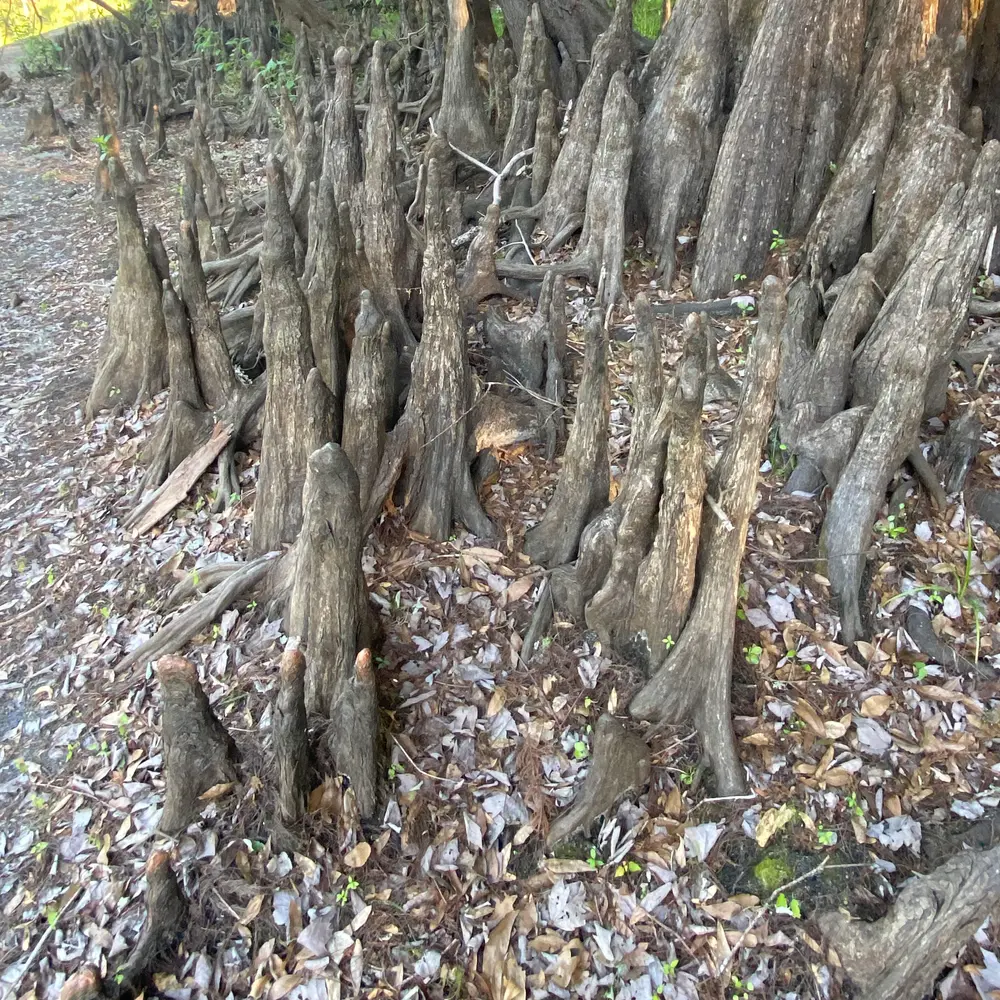
- 🌊 Unique "knees" aid stability and gas exchange in saturated soils, enhancing growth.
- 🍂 Deciduous nature allows seasonal adaptation, shedding leaves for optimal health.
Swamp Cypress as a Perennial
🌱 Genetic Characteristics
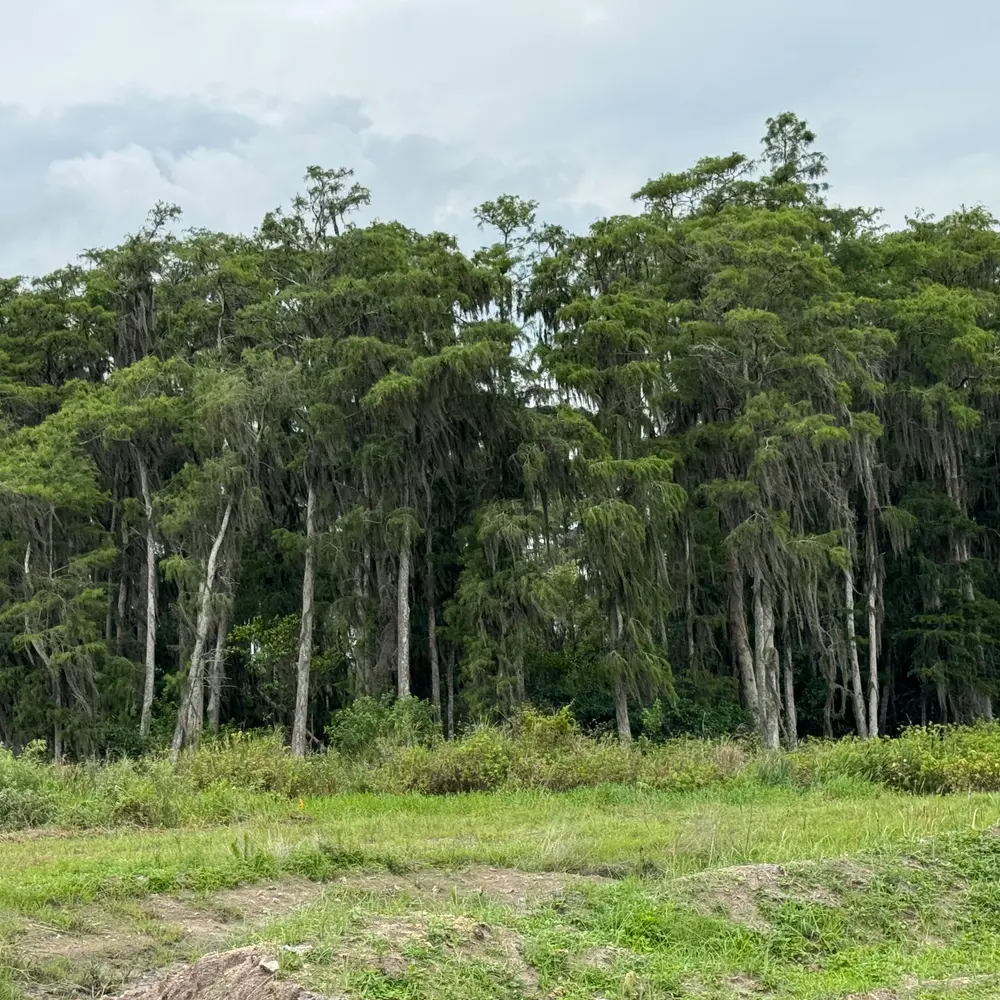
Swamp cypress, scientifically known as Taxodium distichum, is classified as a perennial tree. This classification highlights its remarkable genetic adaptations that enable it to thrive in wetland environments, showcasing traits that support longevity and resilience.
🌳 Physiological Traits Supporting Perennial Growth
One of the most distinctive features of the swamp cypress is its unique root structure, often referred to as "knees." These structures provide stability and facilitate gas exchange, essential for survival in saturated soils.
Additionally, the tree's deciduous nature allows it to shed leaves seasonally, adapting to changing environmental conditions. Its tolerance for flooding enables it to flourish in areas where many other plants would struggle.
⏳ Long-Term Lifecycle
Swamp cypress trees can live for hundreds of years, making them a long-term investment for any landscape. Their growth phases begin with a slow establishment period, followed by rapid expansion as they mature.
Seasonally, these trees exhibit dormancy in winter, transitioning to active growth in spring and summer. This cyclical behavior is crucial for their survival in fluctuating climates.
📈 Growth and Reproductive Strategies
📊 Growth Patterns Compared to Annuals
When comparing swamp cypress to annual plants, the rate of growth is notably different. While annuals mature quickly, swamp cypress takes its time during the establishment phase, ultimately reaching impressive heights and spreads.
Mature swamp cypress can tower over typical annuals, showcasing their potential size and grandeur in the landscape.
🌼 Flowering and Seed Production
The flowering timeline for swamp cypress occurs from late spring to early summer. During this period, the tree produces cones that mature in the fall, with seeds dispersed in winter.
This timing ensures that the seeds are ready to germinate when conditions are most favorable, enhancing the tree's reproductive success.
🔄 Comparison of Reproductive Strategies
Perennial seeds, like those of the swamp cypress, can remain dormant for extended periods. This dormancy allows them to wait for optimal conditions before germinating.
In contrast to annuals, which have a single reproductive cycle each season, swamp cypress engages in multiple flowering and seed production phases over the years, ensuring a steady propagation strategy.
❓ Misconceptions and Exceptions
⚠️ Conditions Leading to Misclassification
Environmental stressors, such as drought or extreme weather, can lead to dieback in swamp cypress, causing some to misclassify it as an annual. Mismanagement, including improper care, can also contribute to misconceptions about its lifespan.
🌍 Regional Variations Affecting Classification
The adaptability of swamp cypress varies geographically, with growth habits influenced by local climate and soil conditions. Additionally, certain cultivars may exhibit behaviors similar to annuals under specific circumstances, further complicating classification.
🌿 Gardening Implications
💚 Advantages of Planting as a Perennial
Planting swamp cypress as a perennial offers numerous advantages. It represents a long-term investment in garden design, providing stability and longevity.
Moreover, these trees support local wildlife and improve soil health, making them an ecological asset in any landscape.
🏡 Garden Design Strategies
Swamp cypress is ideally suited for wetland gardens, rain gardens, or as a focal point in landscapes. Their unique aesthetic and functional qualities make them a standout choice.
Companion planting with other perennials that thrive in similar conditions can enhance the overall health and beauty of your garden.
🛠️ Management Tips for Longevity
📋 Best Practices
To ensure the longevity of swamp cypress, focus on soil management. Aim for well-draining yet moisture-retentive soil to support healthy growth.
Employing proper pruning techniques can also encourage a robust structure and vitality in the tree.
🌸 Seasonal Considerations
In spring, prioritize fertilization and monitor for new growth to kickstart the growing season. As fall approaches, prepare the tree for dormancy and leaf drop, ensuring it is ready for winter.
🐛 Common Challenges and Solutions
Pest management is crucial for maintaining the health of swamp cypress. Identifying and controlling common pests can prevent significant damage.
Additionally, recognizing signs of root rot or other issues related to wet conditions is essential for disease prevention. By addressing these challenges proactively, you can enjoy the beauty and benefits of swamp cypress for years to come.
As we delve deeper into the gardening implications, understanding how to effectively manage these trees will enhance your gardening experience.
⚠️ Safety First
This content is for general information and may contain errors, omissions, or outdated details. It is not medical, veterinary advice, or an endorsement of therapeutic claims.
Always consult a qualified healthcare professional before using any plant as food, medicine, or supplement.
Never eat any plant (or feed one to pets) without confirming its identity with at least two trusted sources.
If you suspect poisoning, call Poison Control (800) 222-1222, the Pet Poison Helpline (800) 213-6680, or your local emergency service immediately.
Spotted an error? Please report it here.
Cultivating a thriving swamp cypress 🌲 is easier with Greg's tailored watering plans and community insights, ensuring your tree flourishes for generations to come!