🌳 Swamp Cypress Is Not Considered a Weed
Taxodium distichum
By the Greg Editorial Team
Nov 25, 2024•6 min read
This article was created with the help of AI so we can cover more plants for you. May contain errors. See one? Report it here.
- 🌳 Swamp Cypress is a native plant, crucial for ecological balance, not a weed.
- 🦋 Supports wildlife and biodiversity, providing habitat and food for various species.
- 🌧️ Minimally invasive with low maintenance, ideal for sustainable and low-effort gardening.
Plant Classification
Definition of Invasive Species 🌱
Invasive species are non-native plants that aggressively spread, often outcompeting local flora and disrupting ecosystems. These plants typically exhibit rapid growth, high reproductive rates, and a lack of natural predators, allowing them to dominate their surroundings.
Why Swamp Cypress is Not Invasive 🌳
Swamp Cypress is a native plant that has co-evolved with local ecosystems, helping to maintain ecological balance. Unlike invasive species, it has a slower growth rate and limited spread, primarily due to its specific environmental preferences.
This tree plays a vital role in local biodiversity, contributing positively without overwhelming other species. Its presence supports a healthy ecosystem, making it an essential component of wetland areas.
In summary, the Swamp Cypress stands out as a beneficial native species, contrasting sharply with the characteristics of invasive plants. Understanding this distinction is crucial for promoting sustainable gardening practices and preserving local ecosystems.
Growth Habits
Typical Growth Patterns in Gardens 🌳
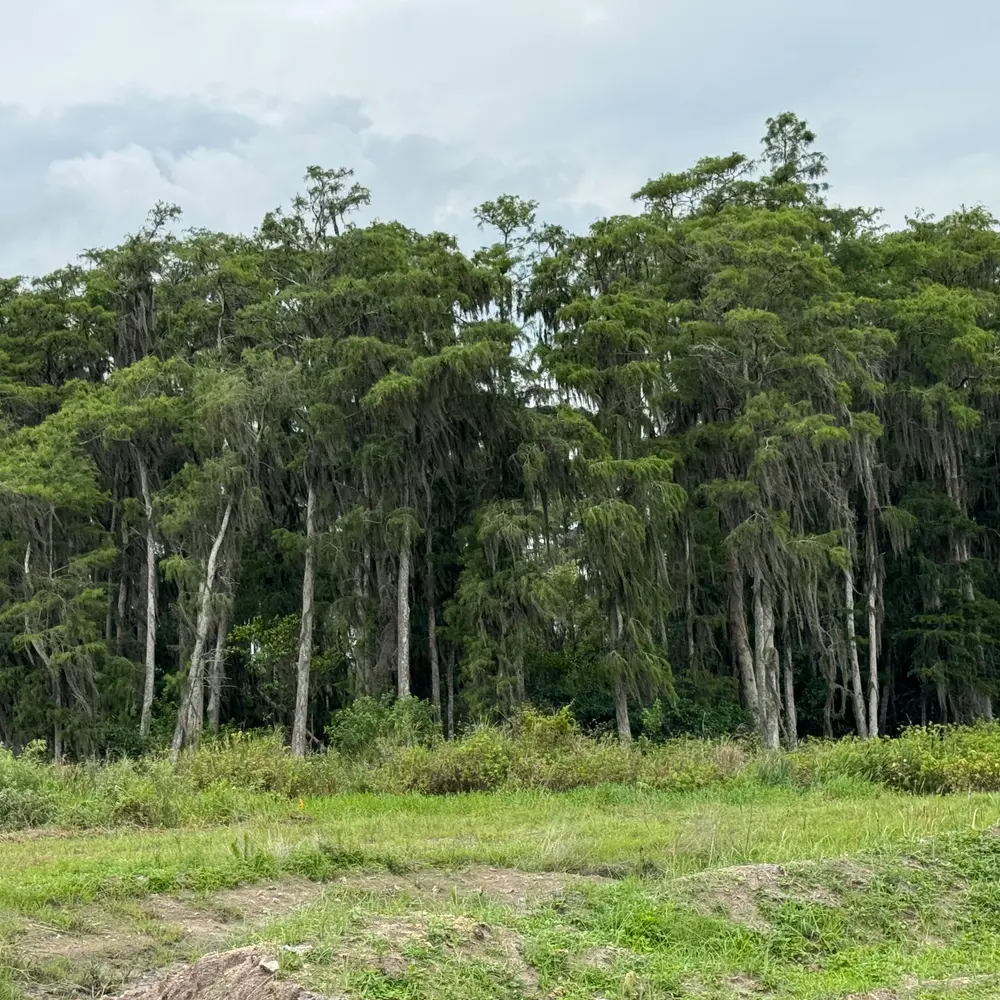
Swamp Cypress trees can reach impressive heights of 50 to 70 feet, showcasing a broad, conical shape that adds a striking element to any landscape. Their feathery leaves change with the seasons, offering vibrant greens in spring and summer, transitioning to warm hues of orange and gold in the fall.
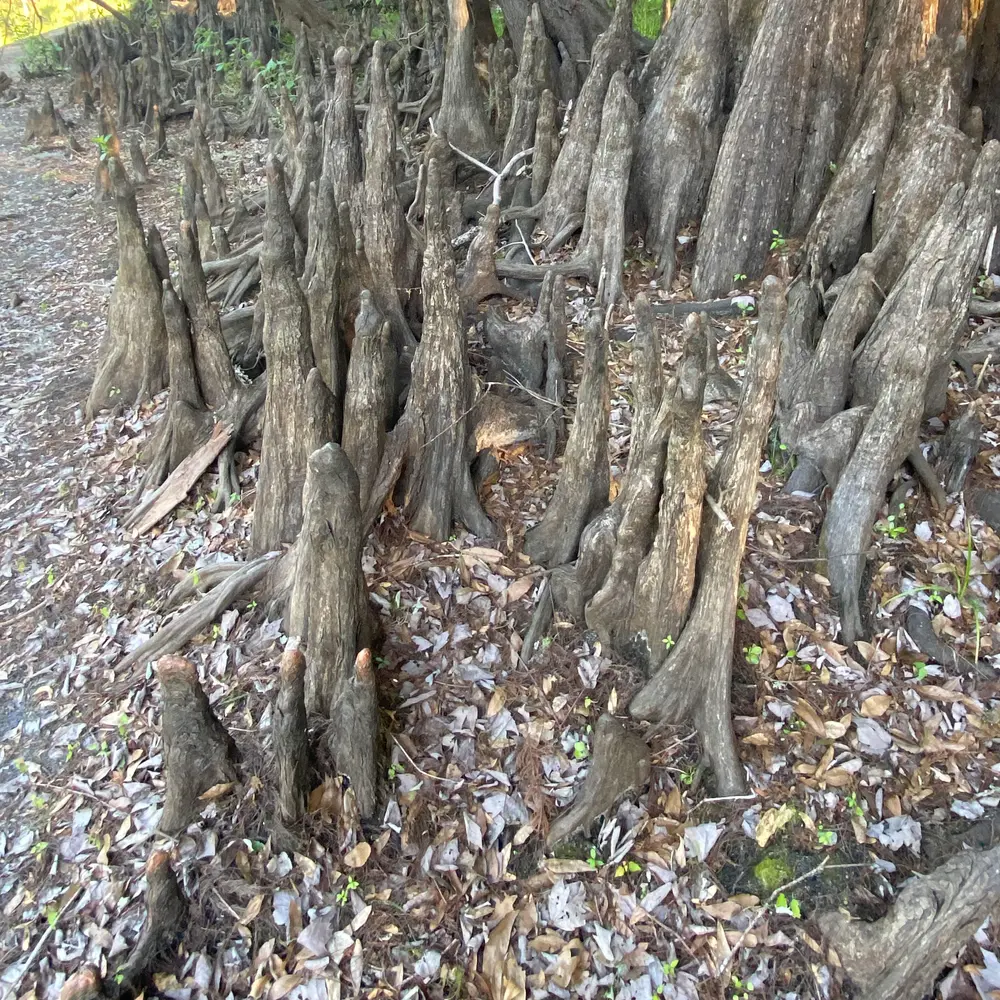
The unique root system of the Swamp Cypress features distinctive "knees," which are protrusions that help stabilize the tree while facilitating gas exchange. This adaptation allows the tree to thrive in its native wetland habitats, making it a fascinating addition to gardens.
Natural Limits to Growth and Spread Potential 🌊
Swamp Cypress thrives best in wet, well-draining soils but is surprisingly adaptable to various conditions. This versatility allows it to flourish in different environments, although it prefers areas with consistent moisture.
Environmental factors, such as flooding and prolonged wet conditions, play a significant role in shaping its growth patterns. These conditions can influence how the tree develops, ensuring it remains a vital part of the ecosystem.
Once established, Swamp Cypress requires minimal maintenance, making it an excellent choice for low-maintenance gardens. Its resilience and adaptability mean that gardeners can enjoy its beauty without the constant need for care.
As we explore the ecological role of Swamp Cypress, we’ll uncover how this remarkable tree benefits local ecosystems and wildlife.
Ecological Role
Benefits in Ecosystems 🌳
Swamp Cypress plays a vital role in its ecosystem by providing essential habitat for various wildlife. This tree supports birds, amphibians, and aquatic species, creating a thriving environment for them to flourish.
Additionally, it contributes significantly to water management. Swamp Cypress helps control flooding and stabilizes soil in wetland areas, making it a natural ally in maintaining ecological balance.
Positive Interactions with Local Wildlife 🦜
The seeds of the Swamp Cypress serve as a nutritious food source for local fauna. Birds and small mammals benefit from the shelter and sustenance this tree provides, fostering a diverse wildlife community.
Moreover, by supporting native species, Swamp Cypress enhances biodiversity. Its presence in the ecosystem contributes to a balanced environment, ensuring that various species can coexist and thrive together.
As we explore the practical aspects of incorporating Swamp Cypress into garden designs, it's essential to consider its ecological benefits alongside its aesthetic appeal.
Garden Management
Incorporating into Garden Designs 🌿
Swamp Cypress is a fantastic addition to garden designs, especially in wet areas. Its ability to thrive in moisture makes it an ideal choice for low-lying landscapes or as a striking focal point.
The tree's broad, conical shape provides a unique structure that can enhance any garden layout. Plus, its vibrant fall colors create a stunning visual display, making it a favorite among gardeners looking to add seasonal interest.
Controlling Growth for Aesthetic Purposes ✂️
To maintain the desired shape and size of your Swamp Cypress, regular pruning is essential. Focus on removing any dead or crossing branches to promote healthy growth and an attractive form.
Timing is crucial for effective pruning. The best periods are late winter or early spring before new growth begins, ensuring your tree remains healthy and visually appealing throughout the seasons.
Incorporating Swamp Cypress into your garden not only enhances its beauty but also supports local ecosystems. As you plan your garden, consider how this remarkable tree can contribute to both aesthetics and environmental health.
Comparison to Other Plants
🌳 Similar Non-Invasive Plants
When considering trees for wetland gardens, several non-invasive options complement the Swamp Cypress beautifully.
Bald Cypress: Known for its impressive height and unique, knobby knees, this tree thrives in similar wet conditions. Its feathery foliage turns a stunning orange-brown in the fall, adding seasonal interest.
Black Willow: This tree boasts slender, elongated leaves and a graceful form. It excels in wet soils and provides excellent habitat for wildlife, making it a great companion in a diverse garden setting.
These trees share the ability to thrive in moist environments without overwhelming local ecosystems, making them excellent choices alongside the Swamp Cypress.
🌟 Unique Qualities
While Bald Cypress and Black Willow have their merits, the Swamp Cypress stands out for several reasons.
Its distinctive feathery leaves provide a lush, layered look that changes with the seasons, offering vibrant colors in the fall.
In terms of growth habits, the Swamp Cypress typically grows slower than its counterparts, allowing for a more controlled spread in gardens.
Ecologically, it plays a vital role in supporting local wildlife, providing seeds and shelter that enhance biodiversity.
Choosing Swamp Cypress not only contributes to a balanced ecosystem but also adds unique aesthetic value to your garden.
With its minimal maintenance needs and adaptability, it’s an ideal choice for those looking to create a sustainable and visually appealing landscape.
As we explore garden management next, consider how to best incorporate these trees into your designs for maximum impact.
Legal and Environmental Considerations
🌱 Relevant Classifications and Guidelines
When considering the planting of native species like Swamp Cypress, it's essential to be aware of local regulations. Many regions encourage the use of native plants due to their ecological benefits, which can include improved soil health and enhanced wildlife habitats.
Selecting native plants not only aligns with these guidelines but also promotes sustainable gardening practices. By choosing species that naturally thrive in your area, you help maintain local ecosystems and support biodiversity.
🌍 Role in Sustainable Gardening Practices
Planting Swamp Cypress plays a significant role in fostering ecosystem health. This tree supports various wildlife, creating a balanced environment that benefits both plants and animals.
Moreover, incorporating native species like Swamp Cypress reduces the need for chemical interventions. Once established, these trees require minimal maintenance, making them an excellent choice for low-effort, eco-friendly gardening.
In summary, embracing native plants contributes to a healthier environment while simplifying your gardening efforts. As you plan your garden, consider the long-term benefits of planting Swamp Cypress and other native species.
⚠️ Safety First
This content is for general information and may contain errors, omissions, or outdated details. It is not medical, veterinary advice, or an endorsement of therapeutic claims.
Always consult a qualified healthcare professional before using any plant as food, medicine, or supplement.
Never eat any plant (or feed one to pets) without confirming its identity with at least two trusted sources.
If you suspect poisoning, call Poison Control (800) 222-1222, the Pet Poison Helpline (800) 213-6680, or your local emergency service immediately.
Spotted an error? Please report it here.
Discover the ecological wonder of the Swamp Cypress 🌳 and let Greg help you cultivate a thriving garden with tailored care tips that make gardening a breeze!