What's Eating Your Bald Cypress? 🐞
Taxodium distichum
By the Greg Editorial Team
Sep 30, 2024•7 min read
This article was created with the help of AI so we can cover more plants for you. May contain errors. See one? Report it here.
- 🌳 Bald cypress trees attract wildlife, vital for ecosystem health and biodiversity.
- 🦌 Deer and rabbits can damage young trees; use barriers and repellents to protect them.
- 🐦 Birds aid pollination but can harm trees; netting and scare tactics help safeguard them.
Animal Interactions with Bald Cypress
Appearance and Appeal 🌳
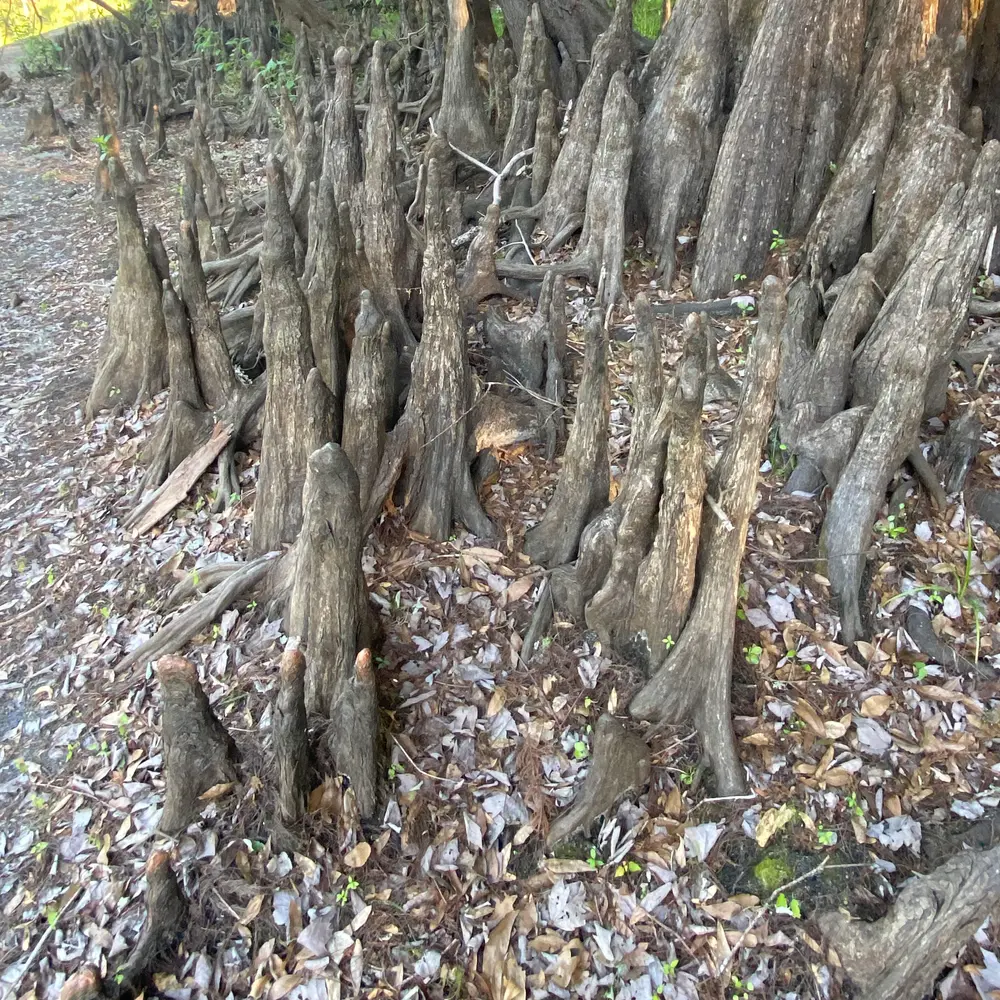
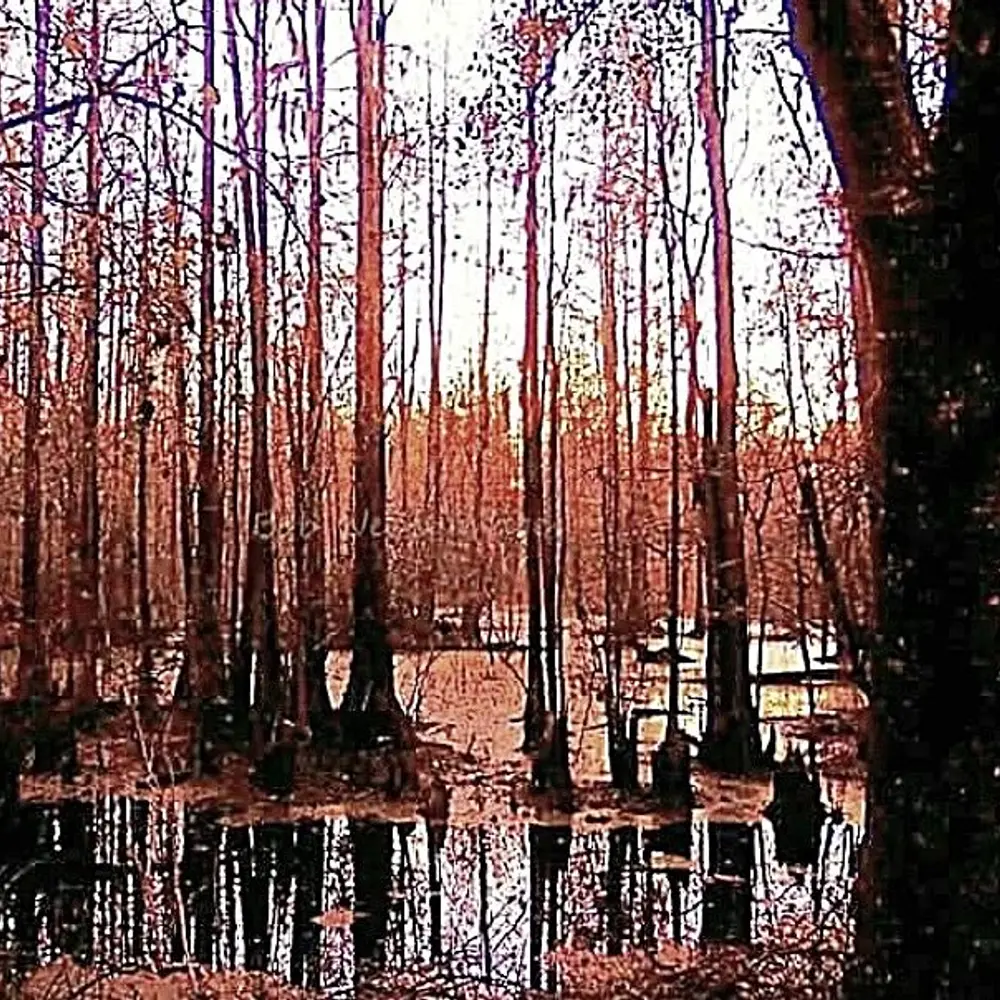
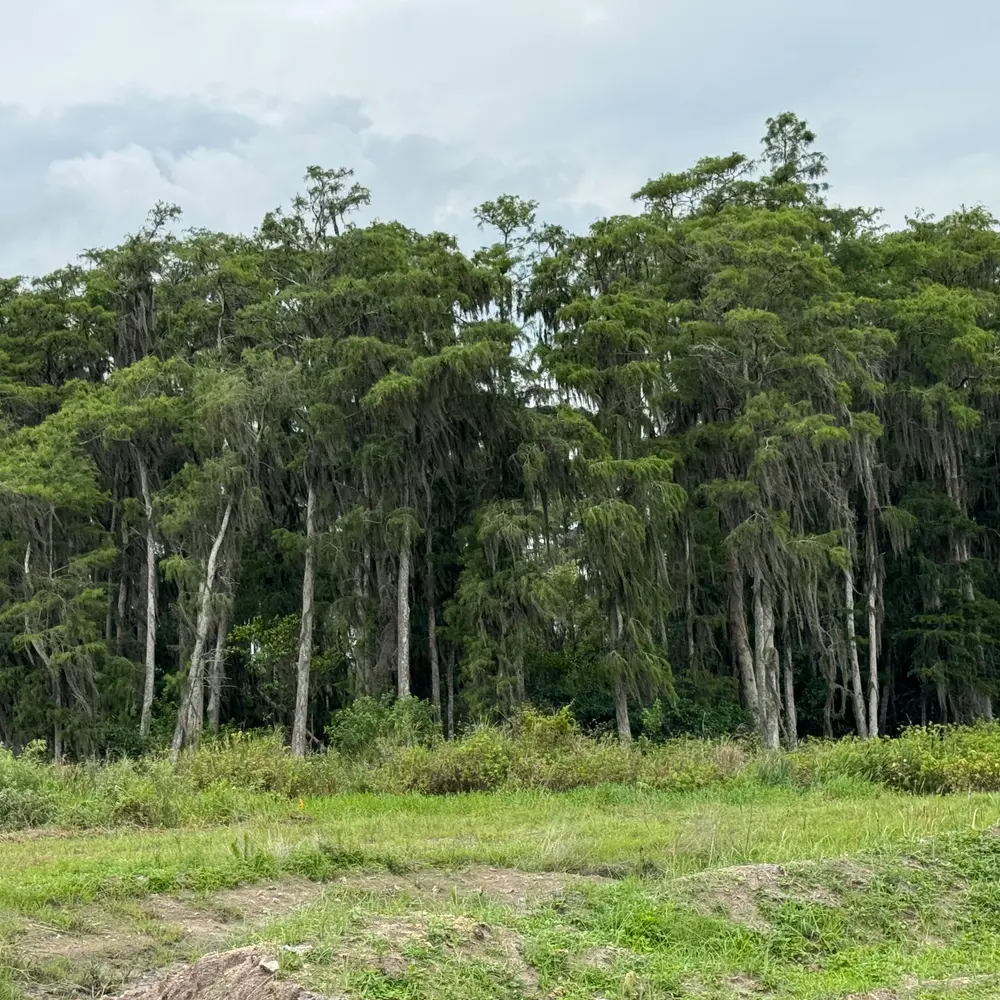
Bald cypress trees are truly remarkable, boasting distinctive features that make them stand out in any landscape. Their feathery, needle-like foliage transforms into a stunning reddish-brown in the fall, while their conical shape, broad at the base and tapering at the top, can reach impressive heights of up to 100 feet.
These trees are not just visually appealing; they also serve as a vital resource for various animals. The small, round cones of the bald cypress attract a range of creatures, while the tender young shoots are particularly enticing to herbivores. Additionally, the nutrient-rich leaves provide sustenance, making the bald cypress a key player in its ecosystem.
Most Appealing Parts to Animals 🐾
The fruits of the bald cypress are a major draw for wildlife. These small cones are not only a food source but also a gathering point for various animals.
Young shoots are another highlight, offering tender foliage that herbivores find hard to resist. This combination of appealing features makes the bald cypress a crucial part of the habitat, supporting a diverse array of animal interactions.
In summary, the bald cypress is more than just a beautiful tree; it plays an essential role in the ecosystem by attracting and nourishing various animal species. As we delve deeper into the common herbivores affecting these trees, we’ll explore how these interactions can impact their health and growth.
Common Herbivores Affecting Bald Cypress
🦌 Deer
Signs of Presence and Damage
Look for hoof prints near the base of your bald cypress; these are clear signs of deer activity. Additionally, ragged edges on leaves and young shoots indicate browsing.
Beneficial vs. Harmful Interactions
While deer may seem harmless, their presence is generally detrimental. They can stunt growth and reduce the overall vigor of your trees.
Deterrent Methods
To keep deer at bay, consider erecting 8-foot tall fences around your trees. You can also use commercial deer repellents or whip up homemade solutions like garlic spray for an extra layer of protection.
🐇 Rabbits
Signs of Presence and Damage
Rabbits leave small, round footprints in the soil, which can help you identify their presence. Look for gnawed bark and missing young shoots as signs of their munching habits.
Beneficial vs. Harmful Interactions
Rabbits are generally harmful to bald cypress, especially young trees. Their feeding can lead to severe damage, making them a significant concern for gardeners.
Deterrent Methods
To deter rabbits, install barriers like chicken wire or hardware cloth around the base of your trees. Natural repellents, such as predator urine or strong scents like peppermint, can also be effective.
🐿️ Squirrels
Signs of Presence and Damage
Chewed bark and missing cones are telltale signs of squirrel activity. You might also notice nesting activity in nearby trees.
Beneficial vs. Harmful Interactions
Squirrels are generally harmful, as they can damage bark and disrupt the growth of your bald cypress. Their foraging habits can lead to long-term issues.
Deterrent Methods
Using live traps can help you relocate squirrels if they become a nuisance. Additionally, modifying their habitat by removing nearby food sources, like bird feeders, can discourage them from sticking around.
🐦 Birds
Signs of Presence and Damage
Look for peck marks on the bark and foliage, as well as signs of nesting activity in your trees. These indicators can help you assess bird interactions.
Beneficial vs. Harmful Interactions
Birds can be beneficial, aiding in pollination and seed dispersal. However, their presence can sometimes lead to damage.
Deterrent Methods
To protect young trees, consider using netting to cover them. Scare tactics, such as reflective tape or plastic owls, can also help deter birds from feasting on your foliage.
🐭 Rodents (Mice, Voles)
Signs of Presence and Damage
Gnawed bark and roots are clear indicators of rodent activity. You may also find burrows near the base of the tree.
Beneficial vs. Harmful Interactions
Rodents are generally harmful, as they can cause significant damage to your bald cypress. Their feeding habits can lead to serious health issues for the tree.
Deterrent Methods
Using snap traps or live traps can effectively remove unwanted rodents. Additionally, habitat cleanup—like clearing debris and tall grass—can reduce their hiding spots and discourage them from taking up residence.
By understanding the various herbivores that interact with bald cypress, you can take proactive measures to protect your trees. Next, let’s explore the beneficial animals that contribute positively to the ecosystem surrounding these majestic trees.
Beneficial Animals and Ecosystem Role
🌼 Positive Impacts of Certain Animals
Bald cypress trees benefit significantly from various animals in their ecosystem. Pollinators like bees and butterflies are essential for reproduction, ensuring these majestic trees can thrive and spread.
Additionally, birds and small mammals act as seed dispersers. They help propagate the species, allowing bald cypress to flourish in new areas.
🐝 Role of Pollinators and Other Beneficial Species
The presence of pollinators enhances biodiversity, creating a richer ecosystem. This diversity supports not only the bald cypress but also a myriad of other plant and animal species.
Moreover, these beneficial animals contribute to the overall health of garden environments. Their roles in pollination and seed dispersal create a balanced ecosystem, promoting resilience and sustainability.
In summary, while some animals may pose threats to bald cypress, many play crucial roles in its survival and the health of its ecosystem. Understanding these interactions helps us appreciate the delicate balance of nature and the importance of protecting beneficial species.
As we move forward, let’s explore general strategies for protecting these magnificent trees from harmful animal interactions.
General Strategies for Protection
🛡️ Preventive Measures
Regular monitoring is key to protecting your bald cypress from animal interactions. Keep an eye out for signs of animal presence, like tracks or gnawed bark.
Implementing physical barriers and repellents early in the season can significantly reduce damage. Consider using fencing or commercial repellents to deter herbivores before they become a problem.
⚠️ Reactive Solutions
When you notice signs of damage, respond immediately with appropriate deterrents. Quick action can prevent further harm to your trees.
Adjust your strategies based on observed animal behavior. If certain animals seem undeterred, it may be time to switch tactics.
🌱 Balancing Ecosystem Health
Encouraging beneficial species is just as important as managing harmful ones. Pollinators and seed dispersers play vital roles in maintaining a healthy ecosystem.
Understanding the ecological roles of various animals can help you strike a balance. This approach not only protects your bald cypress but also fosters a thriving environment for all species involved.
By implementing these strategies, you can ensure the health of your bald cypress while nurturing the ecosystem around it. Next, let’s explore seasonal considerations that affect animal interactions with your trees.
Seasonal Considerations
🦌 Variations in Animal Attraction
As the seasons change, so does the behavior of animals interacting with bald cypress trees. In spring, herbivores ramp up their activity, drawn to the tender young shoots that are a vital source of nutrition.
By fall, the focus shifts to the small, round cones and seeds that provide a rich food source. This seasonal shift highlights the dynamic relationship between the trees and their animal visitors.
⏰ Timing of Vulnerability
Young shoots are particularly vulnerable in early spring when they are at their most tender. It's crucial to monitor animal activity during peak feeding times to protect these delicate parts of the tree.
Keeping an eye out for signs of herbivore presence can help mitigate damage before it becomes severe.
⚠️ Toxicity and Animal Interactions
While bald cypress trees are generally safe, they can have mild toxic effects on certain herbivores. This toxicity can influence how animals interact with the trees, potentially deterring some while attracting others.
Understanding these interactions is essential for maintaining the health of both the trees and the local ecosystem. By being aware of these factors, you can better protect your bald cypress and foster a thriving environment.
Next, we'll explore the beneficial animals that play a crucial role in the ecosystem surrounding bald cypress trees.
⚠️ Safety First
This content is for general information and may contain errors, omissions, or outdated details. It is not medical, veterinary advice, or an endorsement of therapeutic claims.
Always consult a qualified healthcare professional before using any plant as food, medicine, or supplement.
Never eat any plant (or feed one to pets) without confirming its identity with at least two trusted sources.
If you suspect poisoning, call Poison Control (800) 222-1222, the Pet Poison Helpline (800) 213-6680, or your local emergency service immediately.
Spotted an error? Please report it here.
Safeguard your bald cypress from wildlife threats and ensure its vibrant growth 🌱 with Greg's personalized tips and reminders for effective protection strategies!