How Do I Cure Bald Cypress Root Rot?
Taxodium distichum
By the Greg Editorial Team
Jun 18, 2024•3 min read
This article was created with the help of AI so we can cover more plants for you. May contain errors. See one? Report it here.
- Yellow leaves and wilting signal Bald Cypress root rot.
- Prune and sterilize to manage root rot; adjust watering to prevent.
- Elevate planting area and use mulch for long-term root health.
Spotting the Red Flags: Symptoms and Diagnosis of Root Rot
🚩 Recognizing the Symptoms
Bald Cypress trees don't just change their look for fun. Yellowing leaves and unexpected wilting are distress signals from the roots. Stunted growth isn't a tree playing hard to get; it's a sign that the roots are in trouble. Pay attention to these visual cues—they're the first hint that root rot may be lurking below.
🕵️ Getting to the Root of the Problem
To confirm your suspicions, you'll need to get your hands dirty. Inspect the roots by carefully excavating around the tree's base. Healthy roots are firm and have a light color, while rotting ones are soft, dark, and likely to emit a foul odor. This isn't a time for guesswork; distinguishing root rot from other issues is critical for the tree's survival.
Turning the Tide: Immediate Actions to Alleviate Root Rot
🌿 Pruning for Progress
Prune affected roots and branches to help the tree recover. Snip away any mushy, brown, or foul-smelling roots, but leave the healthy ones intact. Sterilize your tools after pruning to prevent spreading the disease.
🌱 Soil and Water Management
Adjust your watering routine to avoid overwatering. Ensure the base of the plant stays dry and consider planting on raised beds for better drainage. Mix in perlite or sand to enhance soil drainage, and if you're dealing with a potted plant, a complete soil overhaul might be necessary. Remember, waterlogged soil is a death sentence for roots.
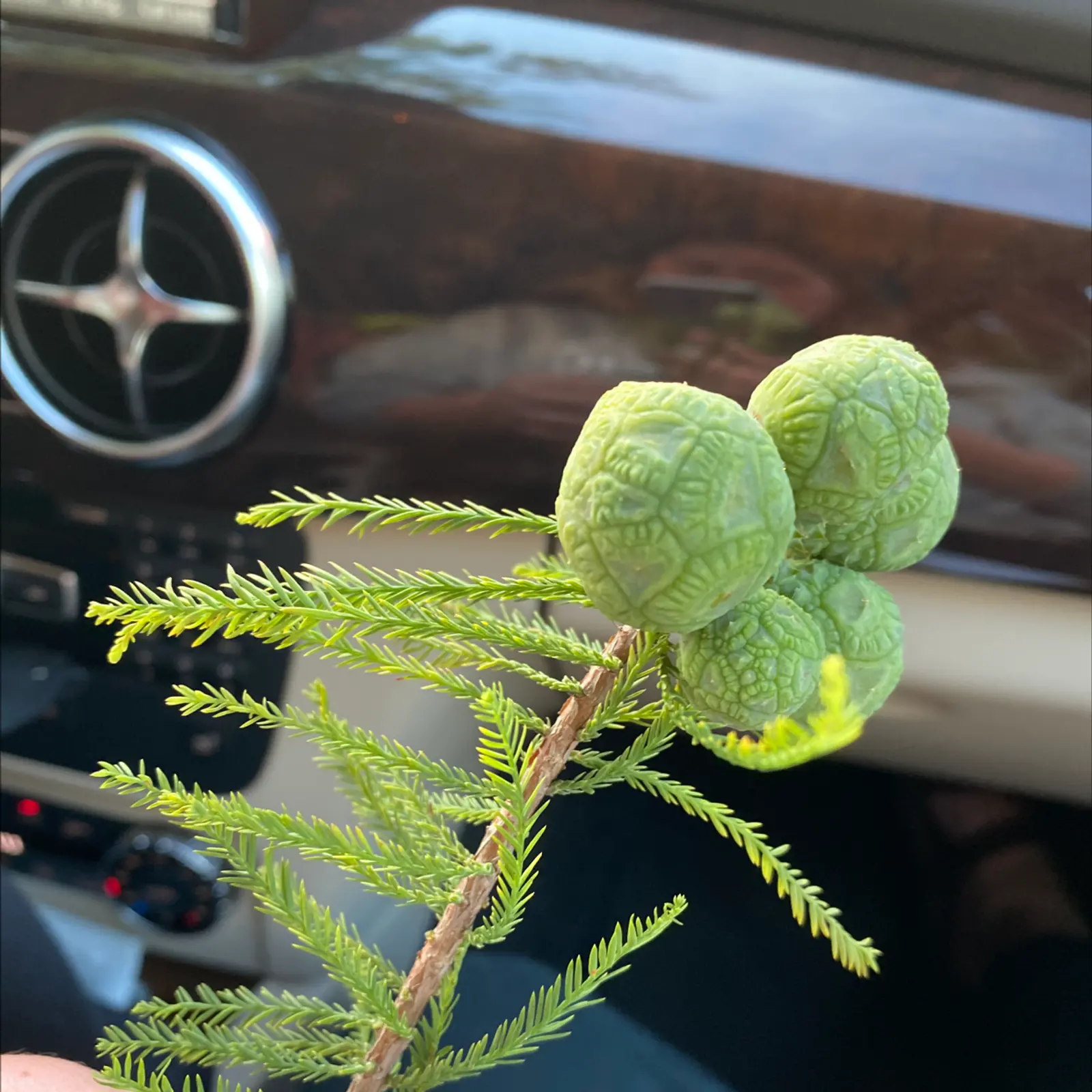
Building Defenses: Long-Term Prevention Strategies
💧 Smart Watering Habits
Watering isn't a set-it-and-forget-it game. Establish a routine that lets the top inch of soil dry out before giving your Bald Cypress another drink. Early morning is prime time, letting the sun dry leaves and prevent fungal raves. Consistency is key, but so is adaptability—adjust for seasons and weather.
🌿 Mulching and Maintenance
Mulch is your Bald Cypress's best friend, keeping soil moisture even-keeled like a thermostat. But don't smother the base; think donut, not volcano. Regularly check the soil's pH and nutrient levels—it's like giving your tree a health check-up. Remember, a well-mulched tree is a happy tree, but only if you don't overdo it.
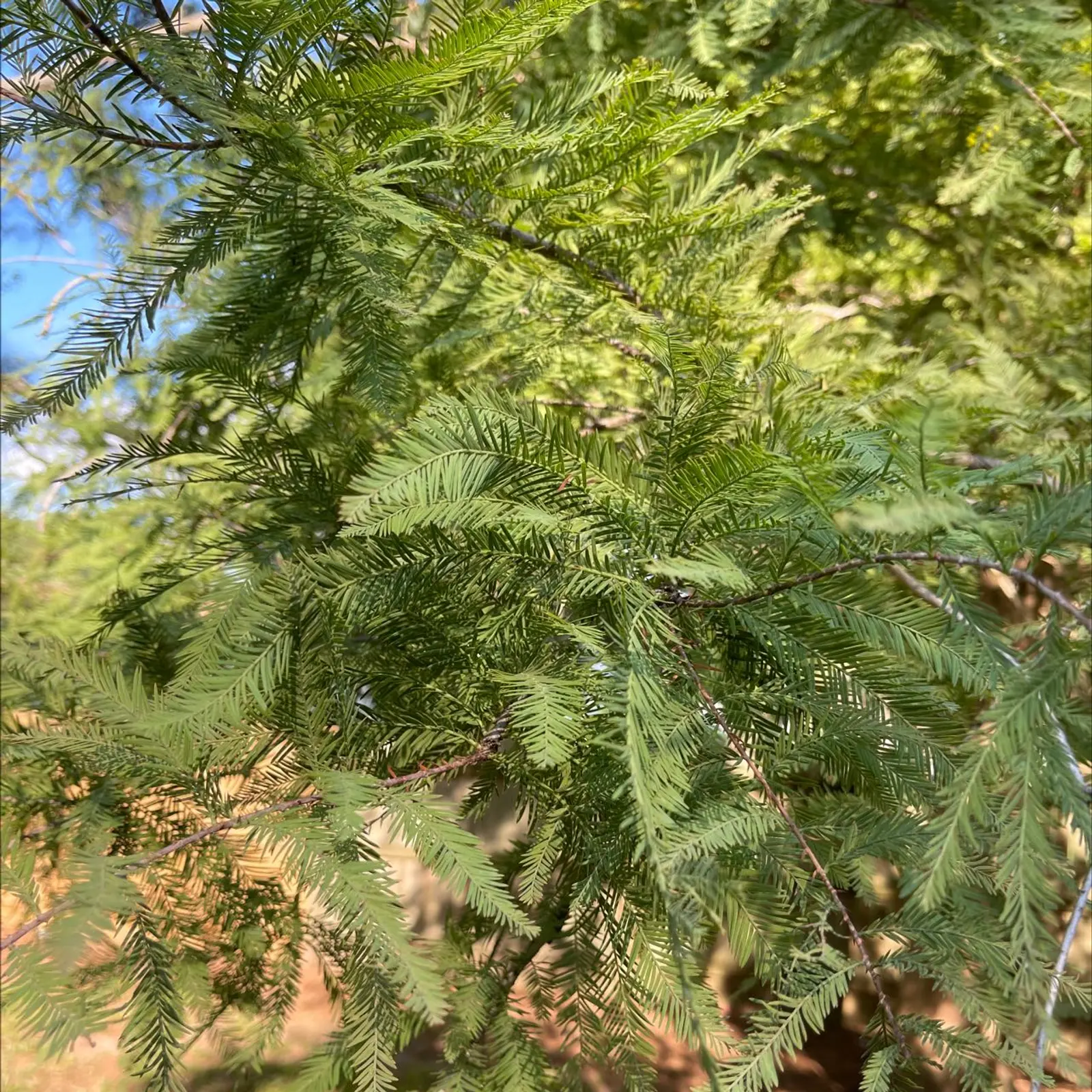
When Prevention is Worth a Pound of Cure: Cultural Practices
🌱 The Right Start
Proper planting is your first line of defense against root rot. Begin with selecting a well-draining site for your Bald Cypress, ensuring that water doesn't pool around the base. Elevate the planting area if necessary to facilitate drainage. Choose quality stock—healthy, disease-free saplings are less likely to succumb to root rot.
🕵️ Ongoing Vigilance
Regular health inspections of your Bald Cypress are crucial. Look for any signs of stress or disease and act swiftly. Prune any affected roots or branches with sterilized tools to prevent the spread of rot. Sanitize your tools post-pruning to avoid cross-contamination. Maintain soil health by incorporating organic matter judiciously and ensuring the soil isn't compacted. Water wisely—only when the soil feels dry to the touch, and never to the point of waterlogging. Remember, a watchful eye and timely interventions can save your tree from the silent grip of root rot.
⚠️ Safety First
This content is for general information and may contain errors, omissions, or outdated details. It is not medical, veterinary advice, or an endorsement of therapeutic claims.
Always consult a qualified healthcare professional before using any plant as food, medicine, or supplement.
Never eat any plant (or feed one to pets) without confirming its identity with at least two trusted sources.
If you suspect poisoning, call Poison Control (800) 222-1222, the Pet Poison Helpline (800) 213-6680, or your local emergency service immediately.
Spotted an error? Please report it here.
Keep your Bald Cypress flourishing 🌳 with Greg's custom watering reminders and health check-ins, making root rot a worry of the past!