Top 4 Tips for Choosing Soil for Your Swamp Cypress 💧
Taxodium distichum
By the Greg Editorial Team
Nov 25, 2024•5 min read
This article was created with the help of AI so we can cover more plants for you. May contain errors. See one? Report it here.
- 🌱 Well-draining soil retains moisture for healthy swamp cypress roots.
- 🧪 Ideal pH is 5.5 to 7.0 for optimal nutrient absorption in swamp cypress.
- 🏡 Homemade mix: 40% peat moss, 30% perlite ensures perfect balance for growth.
Soil Composition for Swamp Cypress
Ideal Soil Composition 🌱
When it comes to swamp cypress, the right soil composition is crucial. You want a mix that is well-draining yet retains moisture, allowing the roots to thrive without drowning.
The ideal soil should contain 20-30% organic matter to ensure nutrient retention. A loamy or sandy loam texture is preferred, as it strikes a balance between drainage and moisture retention.
Importance of Soil Structure 🏗️
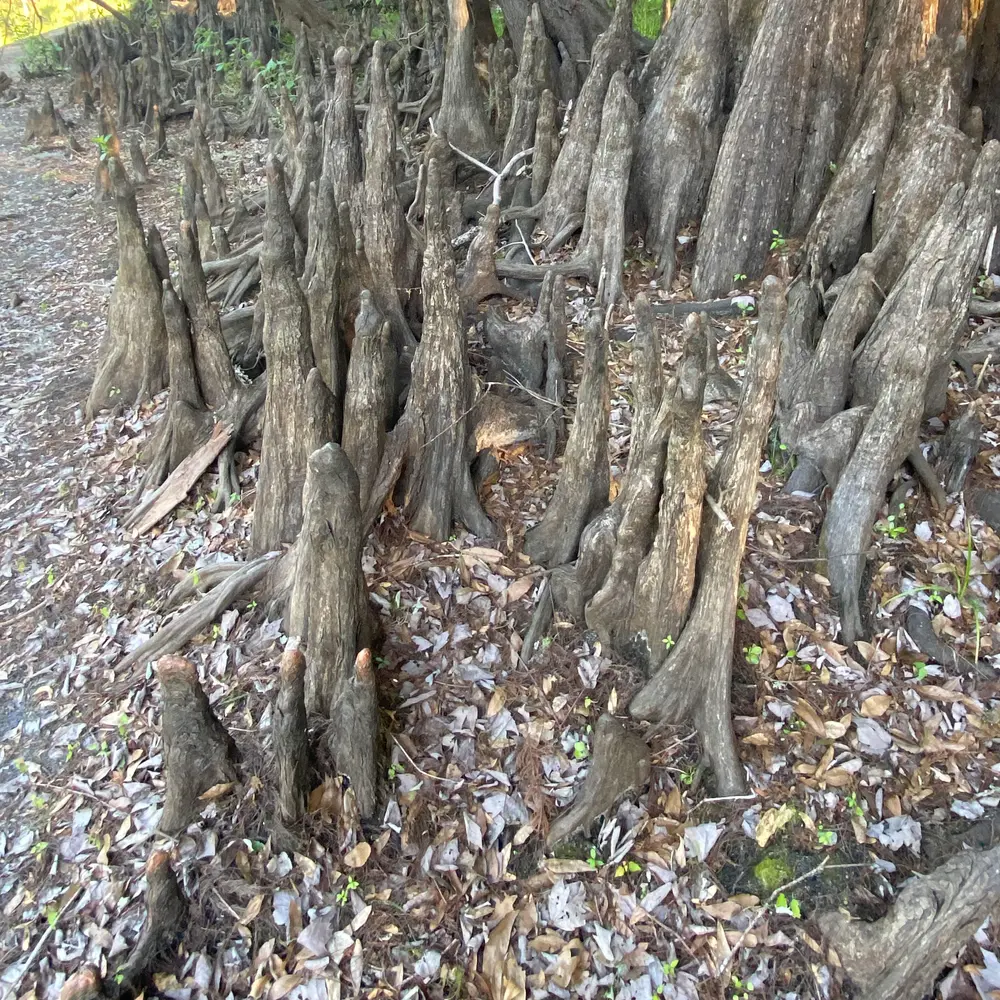
Soil structure plays a vital role in supporting the unique root system of the swamp cypress, which includes distinctive "knees." These structures not only stabilize the tree but also facilitate gas exchange in waterlogged conditions, ensuring your cypress remains healthy and vigorous.
Recommended Soil pH Levels for Optimal Growth 📏
For optimal growth, swamp cypress thrives in soil with a pH level ranging from 5.5 to 7.0, which is slightly acidic to neutral.
Maintaining this pH range is essential for nutrient availability, as it directly impacts the tree's ability to absorb vital minerals from the soil. Regular monitoring can help keep your swamp cypress flourishing.
In summary, focusing on the right soil composition and pH levels will set the foundation for a healthy swamp cypress. Next, let’s explore how to identify and resolve unhealthy soil conditions to ensure your tree continues to thrive.
Identifying and Resolving Unhealthy Soil
🚩 Signs of Unhealthy Soil
Recognizing unhealthy soil is crucial for the well-being of your swamp cypress. Look for common indicators such as poor growth or yellowing leaves, which signal that your tree isn't thriving.
Excessive water pooling or prolonged sogginess can also be a red flag. Additionally, the presence of mold or fungal growth on the soil surface indicates that conditions may be too damp and unhealthy for your plant.
🛠️ Solutions for Restoring Unhealthy Soil Conditions
If you suspect your soil is unhealthy, take action to restore it. Start by removing the affected top layer of soil to eliminate any contaminants.
Next, improve drainage by adding perlite or sand to the mix. This will help create a better environment for your swamp cypress.
After making these adjustments, allow the soil to dry out before replanting. This step is essential to prevent further issues.
To prevent future problems, regularly aerate the soil and monitor moisture levels. Keeping an eye on these factors will help maintain a healthy growing environment for your swamp cypress.
With these strategies, you can ensure your swamp cypress thrives in optimal conditions. Now, let's explore how to create a homemade soil mix tailored for your tree's needs.
Creating a Homemade Soil Mix
Step-by-Step Guide to Making a Soil Mix for Swamp Cypress 🌱
Creating the perfect soil mix for your swamp cypress is essential for its health and growth. Start by gathering your materials: peat moss, perlite, compost, and coarse sand.
Next, follow these proportions for an ideal mix:
- 40% peat moss: This will provide moisture retention and acidity.
- 30% perlite: Enhances drainage and aeration.
- 20% compost: Adds vital nutrients and organic matter.
- 10% coarse sand: Improves drainage and soil texture.
Combine all these ingredients thoroughly to ensure an even distribution. This step is crucial for creating a balanced environment for your swamp cypress.
Recommended Ingredients for an Ideal Soil Mix 🥬
Each ingredient in your soil mix plays a unique role.
- Peat moss retains moisture and contributes to the soil's acidity, which is beneficial for swamp cypress.
- Perlite is lightweight and helps improve drainage and aeration, preventing root rot.
- Compost enriches the soil with nutrients and organic matter, promoting healthy growth.
- Coarse sand aids in drainage and enhances the overall texture of the soil.
Using these ingredients will create a nurturing environment for your swamp cypress.
Tips for Adjusting Soil Texture and Moisture Retention 💧
Sometimes, you may need to tweak your soil mix to better suit your swamp cypress.
- To increase moisture retention, consider adding more peat moss.
- If drainage is an issue, incorporate additional perlite into your mix.
Testing soil moisture levels is also key. You can use a moisture meter for precision or simply perform a finger test to check how damp the soil feels. This will help you maintain the right balance for your swamp cypress.
With the right soil mix in place, your swamp cypress will thrive, setting the stage for a lush and vibrant landscape. Next, let’s explore soil amendments and enhancements to further boost your plant's health.
Soil Amendments and Enhancements
🌱 Common Soil Amendments for Improving Swamp Cypress Soil
To create the perfect environment for your swamp cypress, consider using several effective soil amendments. Organic matter, such as compost and leaf mold, is essential for enriching the soil and enhancing its structure.
Gypsum is another valuable amendment that helps improve soil structure, making it more conducive to root growth. If your soil's pH is too high, sulfur can be added to lower it, ensuring optimal conditions for nutrient uptake.
🔍 How to Test and Adjust Soil pH
Testing your soil's pH is crucial for maintaining a healthy swamp cypress. You can use pH test kits or meters available at garden centers for accurate readings.
For a DIY approach, simple methods using vinegar and baking soda can also indicate pH levels. If adjustments are needed, adding lime will raise the pH, while incorporating sulfur will effectively lower it.
🌿 Benefits of Organic Matter in Swamp Cypress Soil
Incorporating organic matter into your soil offers numerous benefits. It enhances nutrient availability and improves soil structure, which is vital for healthy plant growth.
Moreover, organic matter boosts moisture retention and aeration, creating a thriving environment for your swamp cypress. Over time, it promotes healthy microbial activity, leading to increased soil fertility and long-term plant health.
With these amendments and enhancements, your swamp cypress will flourish, setting the stage for a vibrant and resilient landscape. Next, let’s explore how to create a homemade soil mix tailored specifically for your swamp cypress needs.
⚠️ Safety First
This content is for general information and may contain errors, omissions, or outdated details. It is not medical, veterinary advice, or an endorsement of therapeutic claims.
Always consult a qualified healthcare professional before using any plant as food, medicine, or supplement.
Never eat any plant (or feed one to pets) without confirming its identity with at least two trusted sources.
If you suspect poisoning, call Poison Control (800) 222-1222, the Pet Poison Helpline (800) 213-6680, or your local emergency service immediately.
Spotted an error? Please report it here.
Ensure your swamp cypress flourishes with perfect soil conditions 🌱 by using Greg's tailored tips and moisture monitoring to create a thriving environment!