🌸 Getting Your Swamp Cypress to Bloom
Taxodium distichum
By the Greg Editorial Team
Nov 25, 2024•5 min read
This article was created with the help of AI so we can cover more plants for you. May contain errors. See one? Report it here.
- 🌳 Swamp Cypress blooms are rare; it's prized for foliage and ornamental features instead.
- 🌼 Flowering occurs in late spring; small, inconspicuous flowers follow self and external pollination.
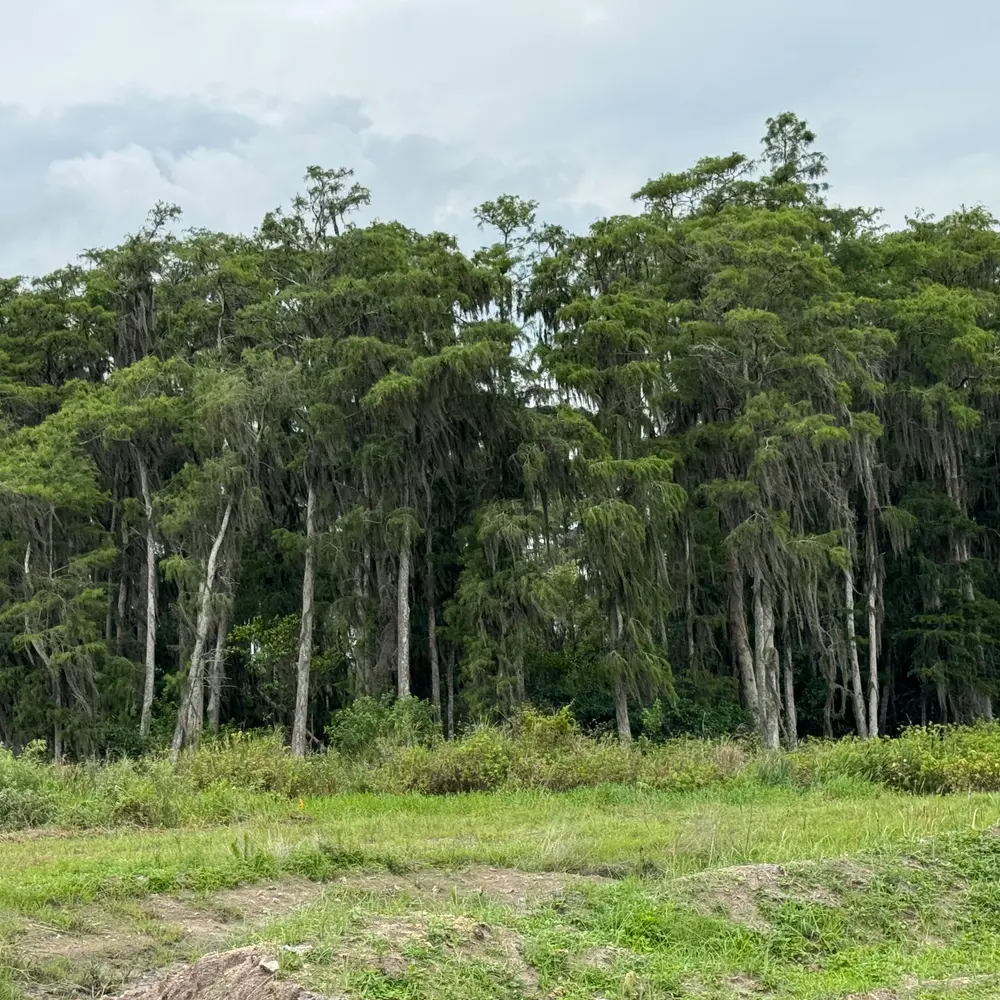
- 🌊 Thrives in wetland habitats, preventing soil erosion and supporting biodiversity.
Flowering Status
Understanding the flowering status of the Swamp Cypress is crucial for anyone interested in this unique tree. Primarily, it's important to note that the Swamp Cypress is not typically grown for its flowers; instead, it is celebrated for its stunning foliage and ornamental features.
🌿 Non-Flowering Nature
The Swamp Cypress is primarily appreciated for its lush green leaves and distinctive, flared trunk. While it may produce reproductive structures, these are not flowers in the traditional sense.
🌰 Reproductive Strategy
Instead of blooming, the Swamp Cypress reproduces through small, round cones. This unique strategy allows it to thrive in its wetland habitat, where traditional flowering may not be as advantageous.
In summary, while the Swamp Cypress may not dazzle with vibrant blooms, its beauty lies in its foliage and ecological role. Understanding this aspect sets the stage for exploring what happens if it does flower, which we will delve into next.
If Swamp Cypress Does Flower
🌼 Flower Characteristics
While the Swamp Cypress is primarily known for its stunning foliage, it can occasionally produce flowers. These flowers are typically small and inconspicuous, often overshadowed by the tree's more prominent features.
In terms of color and structure, the flowers may not rival those of more flamboyant flowering plants. They tend to be less vibrant and are often compared to the subtle blooms of other conifers, which also prioritize foliage over flowers.
🌱 Self-Pollination vs. External Pollination
Swamp Cypress employs both self-pollination and external pollination methods. This dual strategy allows the tree to maximize its chances of successful reproduction, especially in environments where pollinators may be scarce.
Pollination is crucial for seed production, as it ensures genetic diversity and the continuation of the species. Without effective pollination, the potential for new growth diminishes significantly.
🌸 Blooming Process
The blooming process of the Swamp Cypress is relatively straightforward. If flowering occurs, it typically follows a series of stages, beginning with bud formation and culminating in the opening of flowers.
Bloom time usually aligns with the warmer months, often peaking in late spring to early summer. This seasonal timing allows the tree to take advantage of favorable conditions for pollination and seed development.
From bud formation to full bloom, the process can take several weeks. Once flowers appear, they generally last for a short period, often just a few days to a week, depending on environmental conditions.
🌞 Encouraging Blooms
To encourage flowering in your Swamp Cypress, proper care is essential. Ensure the tree receives adequate sunlight, as this is vital for healthy growth and potential blooms.
Several factors influence flowering, including light, water, and soil quality. Additionally, providing the right nutrients can significantly enhance the tree's ability to produce flowers.
🌳 Post-Flowering
After flowering, the Swamp Cypress may exhibit various responses. If successful pollination occurs, the tree will focus on seed development, diverting energy from other growth processes.
It's important to note that the Swamp Cypress does not die after flowering. Instead, it continues to thrive, often entering a period of dormancy before the next growing season. This resilience is a testament to its adaptability and longevity in diverse environments.
As we explore the next section, we will delve into the fascinating aspects of the Swamp Cypress when it does not flower, highlighting its ornamental and functional features.
If Swamp Cypress Doesn't Flower
🌳 Primary Ornamental or Functional Features
Swamp Cypress trees are celebrated for their stunning ornamental qualities. Their vibrant fall colors, ranging from deep oranges to rich reds, create a breathtaking display that captivates any landscape.
Additionally, their unique bark texture adds visual interest. This tree's aesthetic appeal makes it a popular choice for gardens and parks, enhancing the beauty of wetland areas.
Beyond their ornamental value, Swamp Cypress trees play crucial functional roles in ecosystems. They contribute to soil stabilization, preventing erosion in wetland environments.
These trees also support biodiversity by providing habitat for various wildlife species. Their presence in wetlands is vital for maintaining ecological balance.
🌱 Reproductive Strategies Without Flowers
Instead of flowers, Swamp Cypress trees produce small, round cones. These cones contain seeds that are dispersed by wind and water, ensuring the continuation of the species.
This reproductive strategy allows the Swamp Cypress to thrive in its environment. Unlike flowering plants, which rely on pollination, the Swamp Cypress's method is more suited to its wetland habitat.
The absence of flowers doesn't hinder its growth or survival. In fact, this adaptation allows it to focus energy on developing robust foliage and a strong root system, essential for thriving in challenging conditions.
Understanding these unique reproductive strategies highlights the Swamp Cypress's resilience and adaptability in its natural habitat. As we explore further, we can appreciate the ecological significance of this remarkable tree.
Unique Aspects
Unusual Characteristics Related to Flowering or Non-Flowering 🌳
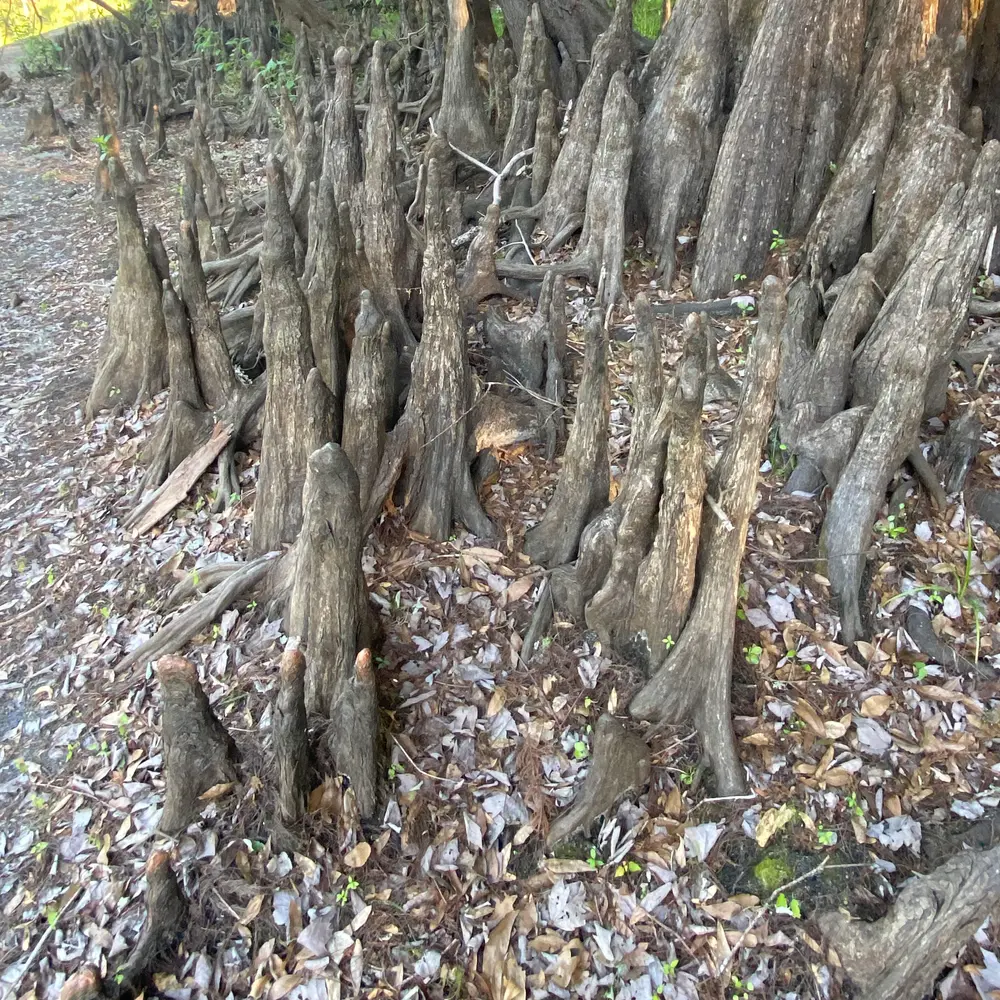
Swamp Cypress trees have fascinating adaptations that allow them to thrive in wetland environments. Their unique growth habits include the development of "knees," which are woody projections that emerge from the roots, helping to stabilize the tree in saturated soils.
These adaptations are crucial for survival in their native habitats. The Swamp Cypress plays a significant ecological role by providing shelter and food for various wildlife, contributing to biodiversity and supporting complex ecosystems.
Interesting Facts or Trivia 🤔
Historically, Swamp Cypress wood has been valued for its durability and resistance to decay, making it a popular choice for constructing boats and other water-related structures. This tree also holds cultural significance in many regions, often symbolizing resilience and longevity.
What sets the Swamp Cypress apart from other conifers is its ability to thrive in waterlogged conditions. Additionally, these trees can live for over a thousand years, showcasing their remarkable longevity and adaptability in natural habitats.
As you explore the world of Swamp Cypress, you'll discover not just a tree, but a vital component of its ecosystem, rich in history and unique characteristics.
⚠️ Safety First
This content is for general information and may contain errors, omissions, or outdated details. It is not medical, veterinary advice, or an endorsement of therapeutic claims.
Always consult a qualified healthcare professional before using any plant as food, medicine, or supplement.
Never eat any plant (or feed one to pets) without confirming its identity with at least two trusted sources.
If you suspect poisoning, call Poison Control (800) 222-1222, the Pet Poison Helpline (800) 213-6680, or your local emergency service immediately.
Spotted an error? Please report it here.
Embrace the resilience of your Swamp Cypress 🌳 by using Greg's tailored care tips to help it thrive and showcase its stunning foliage while understanding its unique beauty!