🌳 Swamp Cypress: A Perennial Plant
Taxodium distichum
By the Greg Editorial Team
Nov 25, 2024•7 min read
This article was created with the help of AI so we can cover more plants for you. May contain errors. See one? Report it here.
- 🌳 Swamp Cypress thrives in wetland areas, making it ideal for moisture-rich landscapes.
- 🍂 This deciduous tree sheds leaves in fall, conserving water during dry months.
- ⏳ With a lifespan of several hundred years, Swamp Cypress is a long-lasting garden addition.
Characteristics of Swamp Cypress as a Perennial
Key Features of Swamp Cypress 🌳
Swamp Cypress, scientifically known as Taxodium distichum, is a remarkable perennial plant native to the wetland areas of the southeastern United States. This tree is not just a beautiful addition to landscapes; it plays a vital role in its ecosystem.
One of its most striking characteristics is its deciduous nature. Each fall, the Swamp Cypress sheds its leaves, creating a stunning display of seasonal change. This leaf drop is not merely aesthetic; it helps the tree conserve water during the drier months.
Another fascinating feature is its root regeneration capability. The Swamp Cypress can regrow from the same root system each year, ensuring its survival and stability in fluctuating wetland environments. This resilience makes it a valuable asset for gardeners looking to create lasting landscapes.
In summary, the Swamp Cypress is a perennial powerhouse, showcasing unique adaptations that allow it to thrive in its native habitat. Its ability to regenerate and adapt to seasonal changes makes it an excellent choice for those interested in sustainable gardening practices.
Lifecycle and Growth Patterns
🌱 Multi-Year Lifecycle of Swamp Cypress
The lifecycle of the Swamp Cypress, or Taxodium distichum, unfolds in distinct stages. It begins with germination, where seeds establish themselves as seedlings in wetland areas.
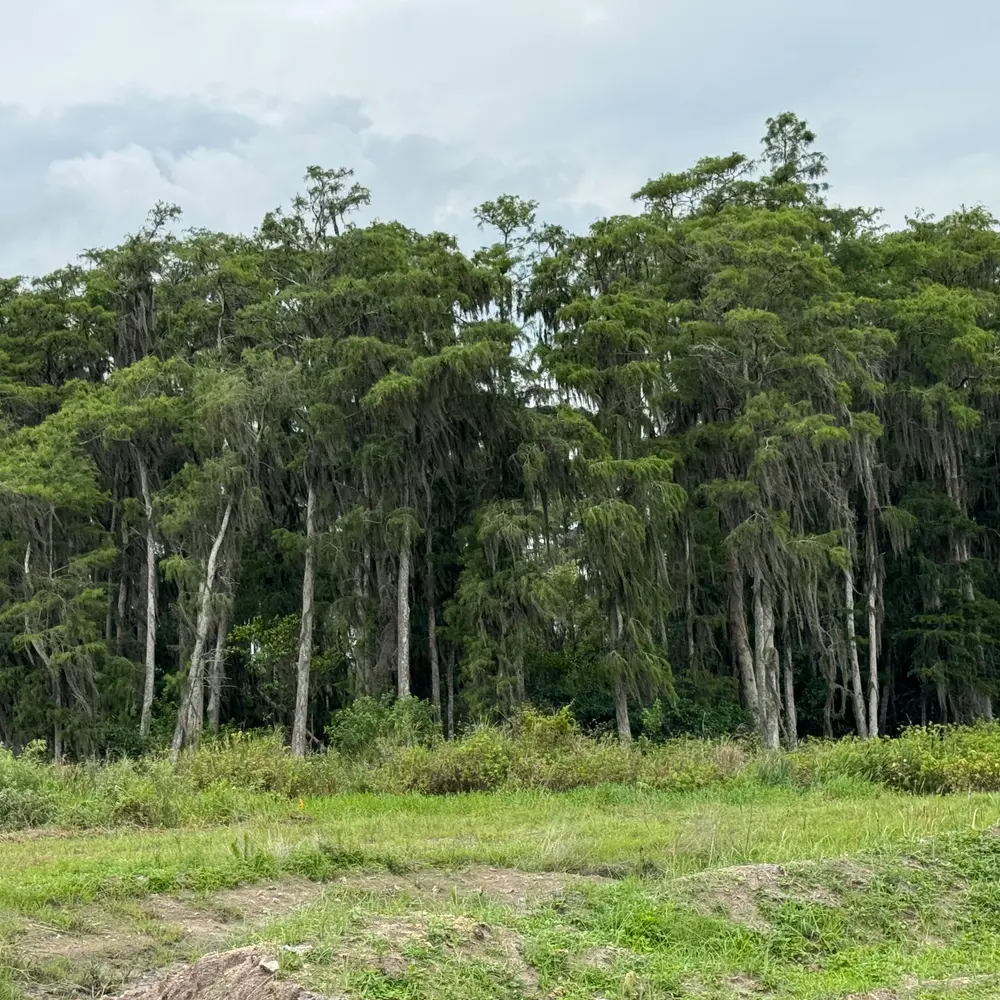
As the seedlings grow, they reach maturity, achieving impressive heights of up to 100 feet. This phase is crucial as it sets the foundation for the tree's longevity and stability.
During the reproductive phase, the Swamp Cypress produces flowers and seeds, ensuring the continuation of its species. This cycle of growth and reproduction is vital for maintaining healthy populations in their native habitats.
🍂 Growth Patterns and Seasonal Changes
Swamp Cypress exhibits unique growth patterns that align with the seasons. In spring, new leaves emerge, and the tree engages in active photosynthesis, soaking up sunlight and nutrients.
Summer marks the peak of growth, where the tree reaches its maximum height. As fall approaches, the Swamp Cypress prepares for dormancy by shedding its leaves, a strategy to conserve water and energy.
During winter, the tree enters a dormant phase, significantly reducing its metabolic activity. This period of rest is essential for the tree's health, allowing it to conserve energy until the cycle begins anew in spring.
Understanding these lifecycle stages and growth patterns helps gardeners appreciate the resilience and adaptability of the Swamp Cypress, making it a valuable addition to any landscape.
Dormancy and Seasonal Changes
🌳 Dormancy Periods in Swamp Cypress
Swamp cypress enters its dormancy phase from late fall to early spring. During this time, the tree significantly reduces its metabolic activity, allowing it to conserve energy for the upcoming growth season.
This energy conservation is crucial for survival, as it helps the tree withstand harsh winter conditions. By slowing down its processes, the swamp cypress can focus on maintaining its health until warmer weather returns.
🍂 Seasonal Adaptations and Changes
As the seasons shift, the swamp cypress showcases remarkable adaptations. In the fall, it sheds its leaves to minimize water loss, a smart strategy for coping with the changing environment.
During dormancy, the tree exhibits resilience to cold temperatures, ensuring it can endure the winter months. These adaptations not only support the tree's survival but also influence its overall growth and health throughout the year.
Understanding these seasonal changes is vital for anyone interested in cultivating swamp cypress. By recognizing its dormancy patterns and adaptations, gardeners can better plan for its care and integration into their landscapes.
As we explore the advantages of the swamp cypress's perennial nature, we’ll see how these characteristics contribute to its appeal in garden design.
Advantages of Perennial Nature
🌱 Benefits for Gardeners
Swamp cypress is a fantastic choice for gardeners looking for long-term establishment. With this perennial plant, you’ll experience less labor and lower costs since replanting is minimized.
This tree provides a consistent presence in your landscape design, adding beauty and structure year after year. Its ability to thrive in wetland areas makes it a reliable option for those tricky spots in your garden.
🌳 Established Root Systems and Their Advantages
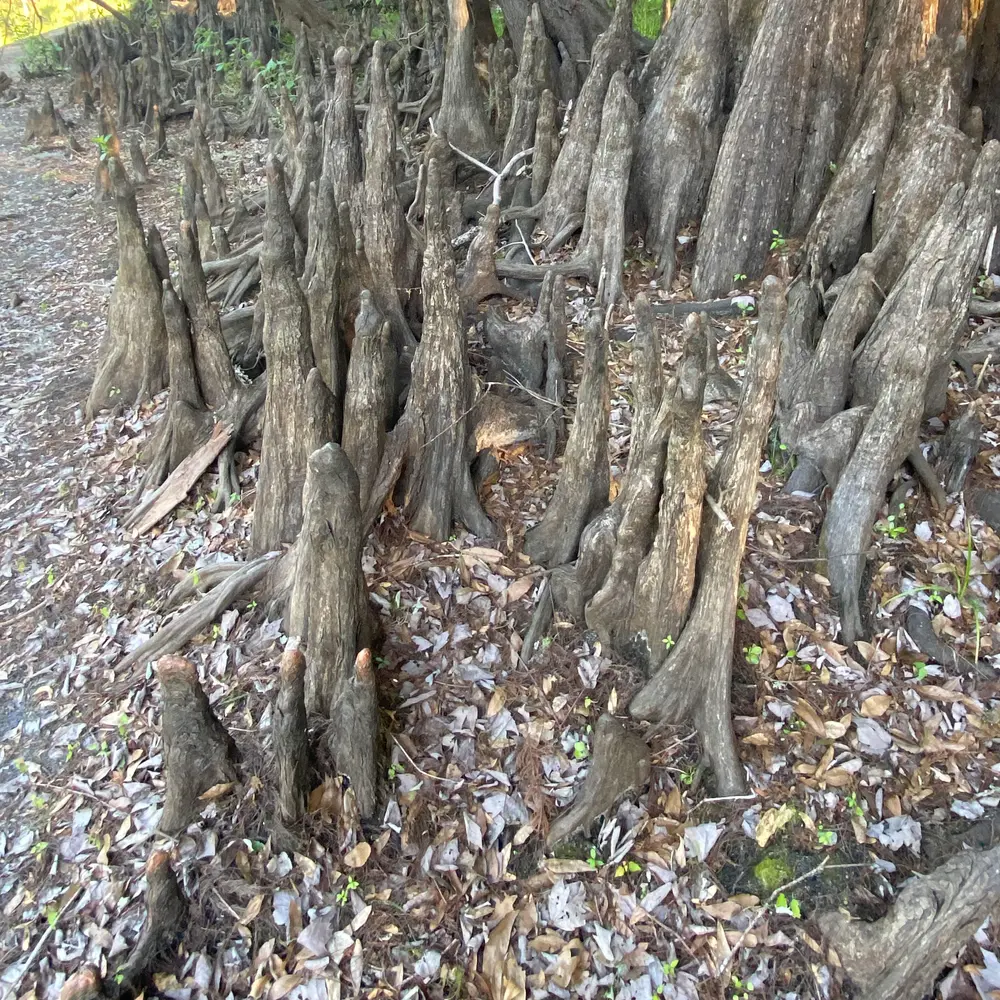
One of the standout features of swamp cypress is its deep and extensive root system. This characteristic not only provides stability but also enhances nutrient and water uptake.
Healthy root systems contribute significantly to soil health and support the surrounding ecosystem. By planting swamp cypress, you’re not just beautifying your garden; you’re also nurturing the environment.
Incorporating this resilient tree into your landscape can lead to a thriving garden that benefits both you and the ecosystem. As we explore further, let’s look at the lifespan and longevity factors that make swamp cypress such a remarkable perennial.
Lifespan and Longevity Factors
🌳 Expected Lifespan of Swamp Cypress
Swamp cypress, known scientifically as Taxodium distichum, can live for several hundred years. This impressive lifespan makes it a remarkable addition to any landscape, providing beauty and stability over generations.
📈 Growth Rate and Maturity Timeline
The growth rate of swamp cypress is moderate, with trees typically reaching maturity in 50 to 100 years. During this time, they can grow to heights of up to 100 feet, showcasing their majestic presence.
🌦️ Factors Influencing Longevity in Different Climates
🌍 Climate Zone Variations
Swamp cypress thrives in various climate zones, particularly in moist or waterlogged soils. Its adaptability allows it to flourish in diverse environments, making it a versatile choice for gardeners.
🌡️ Impact of Temperature and Precipitation
Temperature and precipitation significantly influence the growth and health of swamp cypress. Adequate rainfall and moderate temperatures promote robust growth, while extreme conditions can hinder its development.
🌪️ Influence of Environmental Stressors
Environmental stressors such as flooding, drought, and soil quality play crucial roles in the longevity of swamp cypress. These factors can either enhance or challenge the tree's resilience, impacting its overall health and lifespan.
Understanding these longevity factors helps gardeners make informed decisions when incorporating swamp cypress into their landscapes. By considering the tree's needs and environmental conditions, you can ensure a thriving, long-lasting addition to your garden.
Next, we will explore how to maximize the benefits of swamp cypress in garden planning.
Maximizing Benefits in Garden Planning
Tips for Incorporating Swamp Cypress in Garden Design 🌳
Swamp Cypress thrives in specific environments, making its placement crucial for success. Ideal planting locations include wetland areas or near water features, where it can access the moisture it loves.
Consider the sunlight and space for growth as well. Swamp Cypress prefers full sun to partial shade, so ensure it has enough room to spread its roots and branches without crowding other plants.
Long-Term Cultivation Strategies for Swamp Cypress 🌱
Maintaining a healthy Swamp Cypress involves monitoring seasonal changes and dormancy. Keep an eye on its growth patterns throughout the year to ensure it receives the care it needs during its active and dormant phases.
Enhancing root health and resilience is vital for long-term success. Regularly check the soil quality and moisture levels, as a well-nourished root system supports the tree's overall health.
Planning for Future Growth 📈
Anticipating the height and spread of your Swamp Cypress is essential for effective garden design. These trees can reach impressive heights, so plan accordingly to avoid overcrowding and ensure they have space to flourish.
Integrating Swamp Cypress with other perennial plants can enhance biodiversity in your garden. This not only creates a visually appealing landscape but also supports local ecosystems, making your garden a thriving habitat for wildlife.
Incorporating Swamp Cypress into your garden design offers both beauty and ecological benefits. With thoughtful planning and care, you can enjoy the lasting presence of this magnificent tree for years to come.
⚠️ Safety First
This content is for general information and may contain errors, omissions, or outdated details. It is not medical, veterinary advice, or an endorsement of therapeutic claims.
Always consult a qualified healthcare professional before using any plant as food, medicine, or supplement.
Never eat any plant (or feed one to pets) without confirming its identity with at least two trusted sources.
If you suspect poisoning, call Poison Control (800) 222-1222, the Pet Poison Helpline (800) 213-6680, or your local emergency service immediately.
Spotted an error? Please report it here.
Ensure your Swamp Cypress thrives for centuries 🌳 by using Greg's tailored care tips and reminders to support its growth and beauty in your landscape!