🔍 What's Eating Your Swamp Cypress
Taxodium distichum
By the Greg Editorial Team
Nov 25, 2024•5 min read
This article was created with the help of AI so we can cover more plants for you. May contain errors. See one? Report it here.
- 🌳 Swamp cypress trees attract herbivores like deer, rabbits, and squirrels, causing damage.
- 🛡️ Protect young trees with repellents, fencing, and companion planting strategies.
- 🔍 Regular monitoring for damage helps manage herbivore interactions effectively.
Description and Appeal of Swamp Cypress
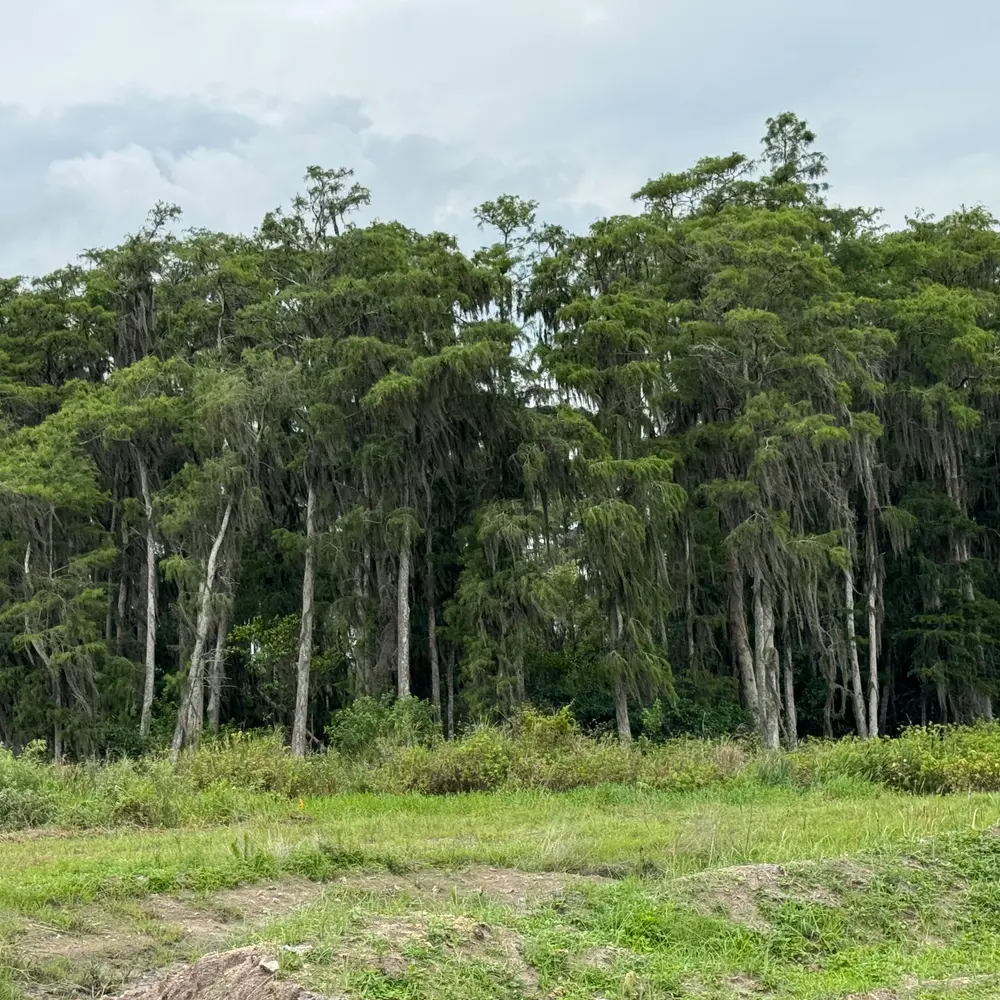
Swamp cypress trees are truly a sight to behold. Their conical shape, adorned with feathery, needle-like foliage, creates a striking silhouette against the landscape.
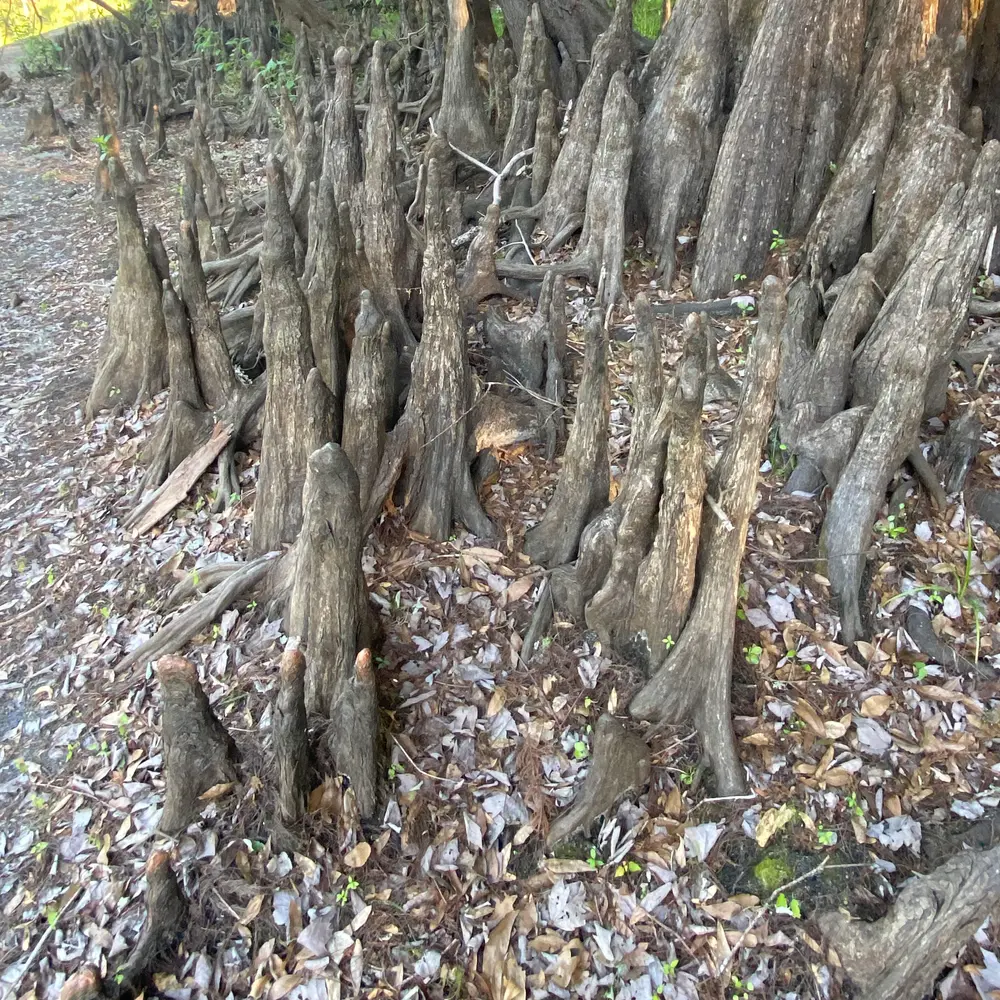
One of the most fascinating features of these trees is their unique "knees" that emerge from the water. These woody projections not only add character but also play a role in the tree's stability and respiration.
🦌 Most Appealing Parts to Animals
Swamp cypress trees offer a buffet of delights for local wildlife. Young shoots are particularly appealing, as they are tender and packed with nutrients.
Seed cones are another favorite, rich in essential nutrients that attract various herbivores. Additionally, the flowers of the swamp cypress are a magnet for pollinators, contributing to the ecosystem's health.
In summary, the swamp cypress is not just a beautiful tree; it serves as a vital resource for many animals. Its unique characteristics and nutritious offerings make it a cornerstone of its habitat, supporting a diverse range of wildlife.
Next, we will explore the common herbivores that interact with the swamp cypress and the impact they have on this remarkable tree.
Common Herbivores Affecting Swamp Cypress
🦌 Deer
Signs of presence and damage caused
Deer are often the most noticeable herbivores affecting swamp cypress. Look for hoof prints in muddy areas and evidence of browsing, where leaves are stripped from the lower branches.
Beneficial vs. harmful interaction
While deer may seem harmless, their impact can be quite detrimental. They can decimate young trees, leading to significant damage.
Deterrent methods
To protect your swamp cypress from deer, consider using chemical repellents like commercial deer sprays. Additionally, planting deer-resistant companion plants can create a natural barrier.
🐇 Rabbits
Signs of presence and damage caused
Rabbits leave distinct signs of their presence, including small, round droppings and gnaw marks on the bark. They particularly enjoy feeding on young shoots and can strip away bark.
Beneficial vs. harmful interaction
Rabbits are generally harmful to swamp cypress. Their feeding habits can severely damage young trees, stunting their growth.
Deterrent methods
To deter rabbits, use bitter-tasting chemical repellents that make the plants less palatable. Alternatively, erecting a fence that is 2-3 feet high can effectively keep them at bay.
🐿️ Squirrels
Signs of presence and damage caused
Squirrels can be tricky to spot, but their damage is evident. Look for gnaw marks on branches and seed cones, along with signs of nesting in the tree.
Beneficial vs. harmful interaction
Interactions with squirrels are mixed. While they can damage seed cones, they also aid in seed dispersal, which can benefit the ecosystem.
Deterrent methods
To manage squirrels, consider using capsaicin-based chemical repellents that deter them without harming them. Installing squirrel baffles can also help keep them from accessing the trees.
🐦 Birds
Signs of presence and damage caused
Birds often leave their mark by pecking holes in seed cones and bark. You may also find nests in the tree, indicating their presence.
Beneficial vs. harmful interaction
Birds are generally beneficial to swamp cypress. They assist in pollination and seed dispersal, contributing positively to the tree's lifecycle.
Deterrent methods
To manage birds, use non-toxic bird deterrent sprays that won't harm them. Hanging reflective objects can also discourage them from nesting in your trees.
🐭 Rodents (mice, voles, etc.)
Signs of presence and damage caused
Rodents can cause significant harm to swamp cypress. Look for signs of gnawing on the bark and small, dark droppings near the base of the tree.
Beneficial vs. harmful interaction
Rodents are generally harmful, as they can girdle trees, leading to severe damage or even death.
Deterrent methods
To protect against rodents, consider using essential oil-based rodent repellents. Trapping and introducing natural predators can also help manage their populations effectively.
Understanding the various herbivores that affect swamp cypress is crucial for maintaining the health of these trees. By implementing effective deterrent methods, you can create a thriving environment for your swamp cypress to flourish. Next, we will explore general strategies for protecting these magnificent trees from herbivore interactions.
General Strategies for Protection
🛡️ Preventive Measures for Protecting Swamp Cypress
Protecting your Swamp Cypress starts with effective preventive measures. One of the most reliable methods is fencing; installing barriers around young trees can keep herbivores at bay.
Another strategy is companion planting. By using plants that deter herbivores, you can create a natural shield around your Swamp Cypress.
⚠️ Reactive Solutions for Managing Animal Interactions
Even with preventive measures, you may still encounter animal interactions. Regular monitoring is essential; check for signs of damage frequently to catch issues early.
When you spot any signs of trouble, take immediate action. Implement deterrents as soon as you notice damage to minimize the impact on your trees.
🌱 Seasonal Variations in Animal Attraction to Swamp Cypress
Understanding seasonal variations can help you anticipate herbivore activity. In spring, expect increased activity from herbivores as they seek tender new growth.
As fall approaches, squirrels and birds become more active, foraging for seeds. Being aware of these patterns can help you adjust your protection strategies accordingly.
With these strategies in place, you can better safeguard your Swamp Cypress and enjoy its beauty for years to come. Next, let’s explore the toxicity of Swamp Cypress and its implications for animal interactions.
Toxicity and Animal Interactions
Toxic Compounds in Swamp Cypress 🌿
Swamp cypress trees produce specific compounds that can deter herbivores. These natural defenses may make the foliage less palatable, encouraging some animals to steer clear of the tree.
Implications for Herbivore Interactions 🦙
The presence of these toxic compounds has significant implications for animal interactions. Many herbivores may avoid feeding on swamp cypress, which can help protect the tree from severe damage.
Balancing the Ecosystem ⚖️
While some animals might be deterred, others may still find the tree appealing. This balance creates a dynamic ecosystem where certain species thrive while others are kept at bay.
Conclusion 📚
Understanding the toxicity of swamp cypress can inform your approach to managing herbivore interactions. By recognizing which animals are affected, you can better protect your trees and promote a healthier environment.
Next, we’ll explore general strategies for protecting swamp cypress from various herbivores.
⚠️ Safety First
This content is for general information and may contain errors, omissions, or outdated details. It is not medical, veterinary advice, or an endorsement of therapeutic claims.
Always consult a qualified healthcare professional before using any plant as food, medicine, or supplement.
Never eat any plant (or feed one to pets) without confirming its identity with at least two trusted sources.
If you suspect poisoning, call Poison Control (800) 222-1222, the Pet Poison Helpline (800) 213-6680, or your local emergency service immediately.
Spotted an error? Please report it here.
Keep your swamp cypress thriving 🌳 by using Greg's personalized care tips and reminders to fend off herbivores and ensure a healthy ecosystem!