🌊 6 Perfect Spots to Grow Swamp Cypress
Taxodium distichum
By the Greg Editorial Team
Nov 25, 2024•3 min read
This article was created with the help of AI so we can cover more plants for you. May contain errors. See one? Report it here.
- 🌊 Swamp Cypress thrives in wet soils but needs good drainage to prevent rot.
- 🌞 Ideal planting spots offer a mix of sun and shade for optimal growth.
- 🌱 Proper spacing (15-25 feet) prevents competition and supports healthy development.
Assessing the Planting Site
🕳️ Evaluating Drainage Conditions
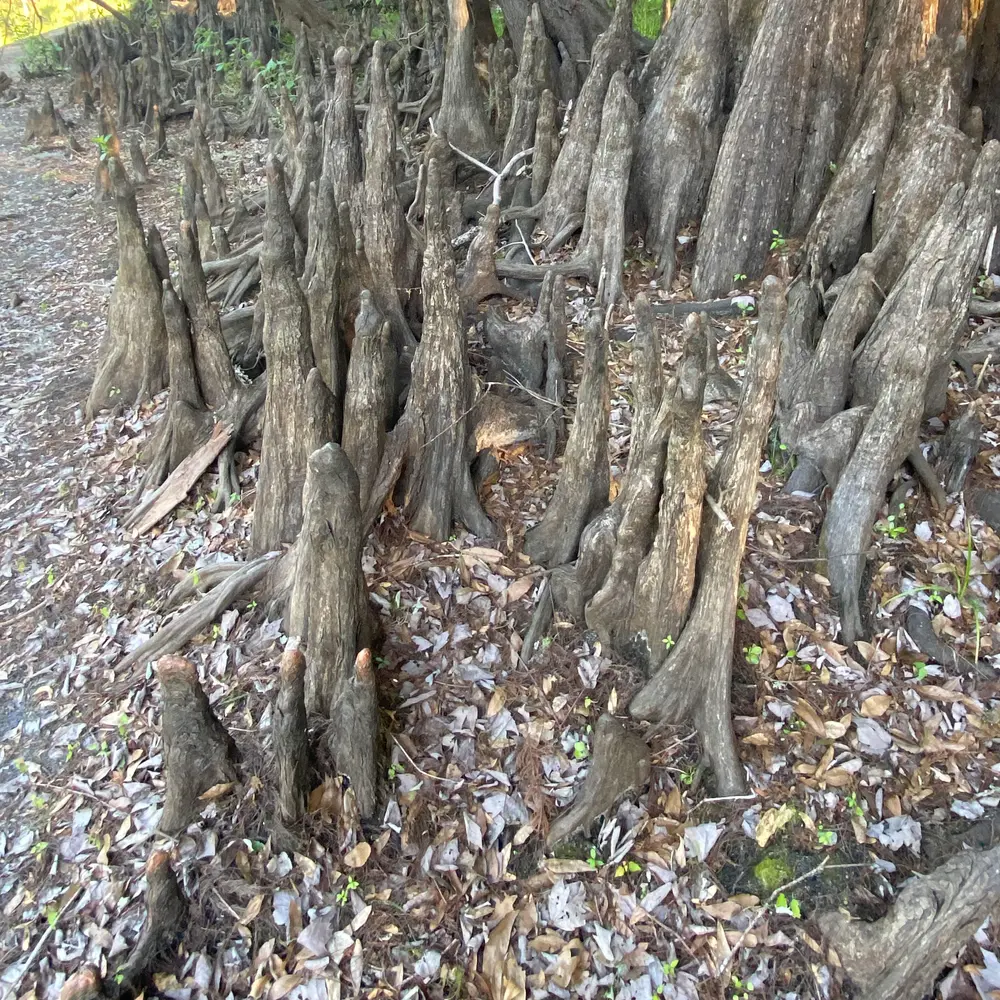
Drainage is crucial for the health of Swamp Cypress. While these trees thrive in saturated soils, they also need good drainage to prevent root rot, which can be detrimental to their growth.
To assess drainage, start with a soil test. After heavy rain, check how long it takes for water to dissipate. Additionally, conduct a visual inspection for signs of standing water or overly dry soil, which can indicate drainage issues.
🌿 Analyzing Surrounding Vegetation
The plants surrounding your Swamp Cypress can significantly impact its growth. Choosing compatible wetland plants can enhance biodiversity and promote a healthier ecosystem.
It's essential to avoid competition for resources. Aim to space your Swamp Cypress 15 to 25 feet apart to ensure they have enough room to thrive and reach their full potential.
🏢 Considering Nearby Structures
Nearby structures can affect the growth of your Swamp Cypress in various ways. Buildings can cast shade, limiting sunlight exposure, which is vital for healthy growth.
Also, consider the root space. Ensure that structures do not impede root expansion. When planning your planting site, think about the height and spread of the Swamp Cypress to avoid future conflicts with fences or buildings.
As you assess your planting site, keep these factors in mind to create an optimal environment for your Swamp Cypress. This thoughtful planning will set the stage for successful growth and a thriving landscape.
Specific Location Needs
🌳 Shade Tolerance vs. Sun Requirements
Swamp Cypress trees thrive in environments with a mix of sun and shade. They prefer areas that receive morning sunlight, which helps them grow robustly, while afternoon shade can protect them from the harshest rays.
However, be cautious of heavily shaded spots, as they can stunt growth. Finding the right balance is key to ensuring your Swamp Cypress flourishes.
🌧️ Best Practices for Planting in Wet Areas
When planting Swamp Cypress in wet areas, consider using raised beds or mounds. This technique improves drainage and prevents water from pooling around the roots, which can lead to rot.
Incorporating organic matter into the soil is another effective strategy. It enhances soil structure and provides essential nutrients, promoting healthy growth.
Timing is also crucial for successful planting. The best periods are early spring or fall when soil moisture levels are high, giving your trees the best start.
🌿 Spacing and Placement in Landscapes
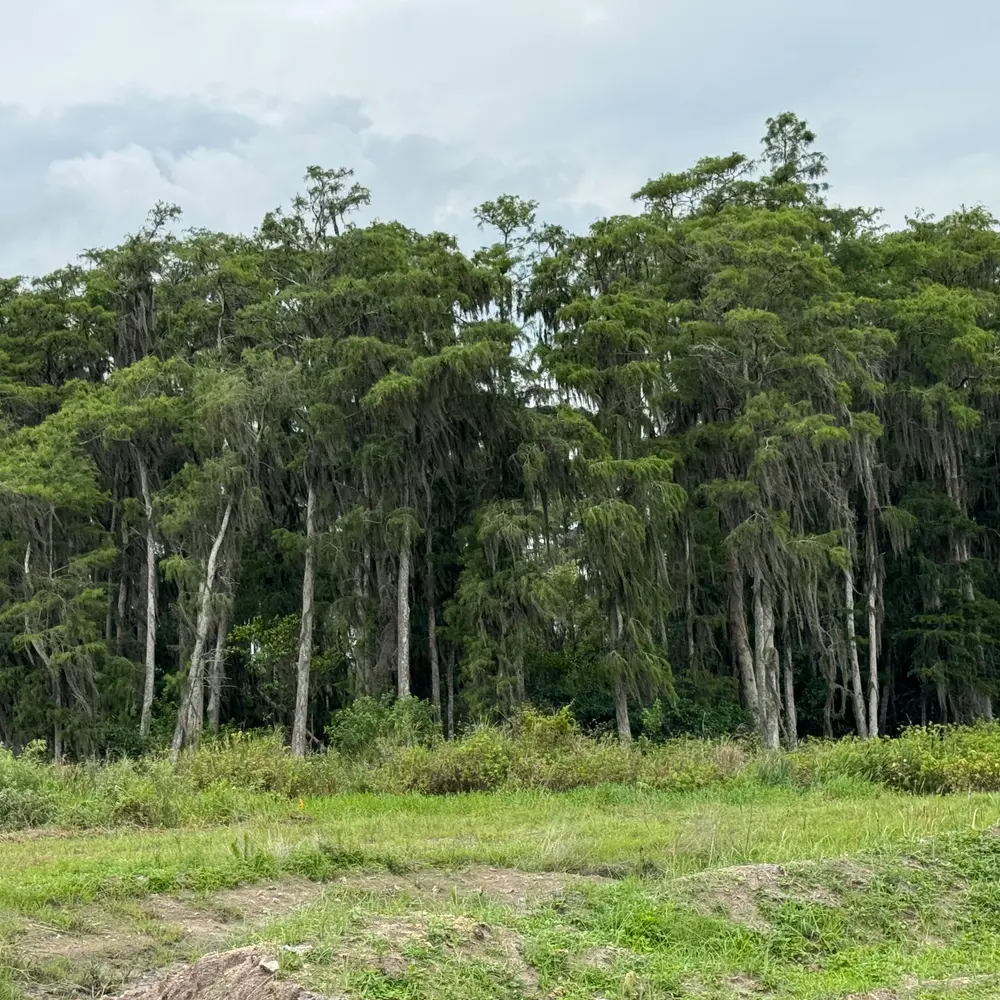
Proper spacing is vital for Swamp Cypress trees, which can reach heights of up to 100 feet. Allowing adequate room prevents overcrowding and ensures each tree has access to necessary resources.
In landscape design, consider grouping Swamp Cypress with other wetland plants. This not only creates a cohesive look but also enhances the overall biodiversity of your garden or park. Their unique structure and height can serve as stunning focal points, adding beauty and interest to any outdoor space.
With these considerations in mind, you're well on your way to creating a thriving environment for your Swamp Cypress. Next, let’s explore the best spots to grow these magnificent trees in detail.
⚠️ Safety First
This content is for general information and may contain errors, omissions, or outdated details. It is not medical, veterinary advice, or an endorsement of therapeutic claims.
Always consult a qualified healthcare professional before using any plant as food, medicine, or supplement.
Never eat any plant (or feed one to pets) without confirming its identity with at least two trusted sources.
If you suspect poisoning, call Poison Control (800) 222-1222, the Pet Poison Helpline (800) 213-6680, or your local emergency service immediately.
Spotted an error? Please report it here.
Create a thriving landscape 🌳 by planting Swamp Cypress in their ideal spots, and let Greg guide you with tailored reminders and tips for success!