🌳 Key Milestones in Swamp Cypress Growth
Taxodium distichum
By the Greg Editorial Team
Nov 25, 2024•6 min read
This article was created with the help of AI so we can cover more plants for you. May contain errors. See one? Report it here.
- 🌱 Swamp cypress seeds thrive in 20°C to 30°C with moisture and sunlight.
- 🌳 Growth stages last from 1 year for seedlings to 100 years for maturity.
- 🌊 Adaptable trees tolerate flooding, enhancing ecosystems and providing wildlife habitats.
Germination Stage
Conditions for Germination 🌱
Swamp cypress seeds thrive under specific conditions that set the stage for successful germination. The optimal temperature range is between 20°C to 30°C (68°F to 86°F), ensuring the seeds have the warmth they need to sprout.
Soil moisture is another critical factor. The soil should be consistently moist but not waterlogged, as excess water can drown the seeds. Additionally, these seeds require full sunlight exposure to achieve the best results, making a sunny spot ideal for their growth.
Duration of Germination ⏳
Germination typically takes about 2 to 4 weeks, but this can vary based on several factors. Soil type, moisture levels, and temperature all play significant roles in determining how quickly the seeds will sprout.
Understanding these conditions can help you create the perfect environment for swamp cypress seeds. With the right care, you can witness the remarkable journey from seed to seedling, setting the foundation for a thriving tree.
Next, we will explore the seedling stage, where these young plants begin to establish themselves in their environment.
Seedling Stage
🌱 Characteristics of Seedlings
Swamp cypress seedlings are quite small, typically measuring between 5 to 15 cm (2 to 6 inches) in height. Their bright green, needle-like leaves give them a distinctive appearance, making them easy to identify in their natural habitat.
The root system of these young trees is shallow but begins to establish itself as they grow. This foundational development is crucial for their future stability and nutrient uptake.
⏳ Duration of Seedling Growth
The seedling stage lasts approximately 1 to 2 years, during which the young trees focus on establishing themselves.
Environmental factors play a significant role in their growth rate, with soil conditions and water availability being key influencers. Adequate moisture and nutrient-rich soil can lead to more vigorous growth, setting the stage for the next phase of development.
As these seedlings mature, they lay the groundwork for a robust future, transitioning into the vegetative growth stage. This progression is essential for their long-term survival and contribution to the ecosystem.
Vegetative Growth Stage
Growth Patterns and Height Increase 🌱
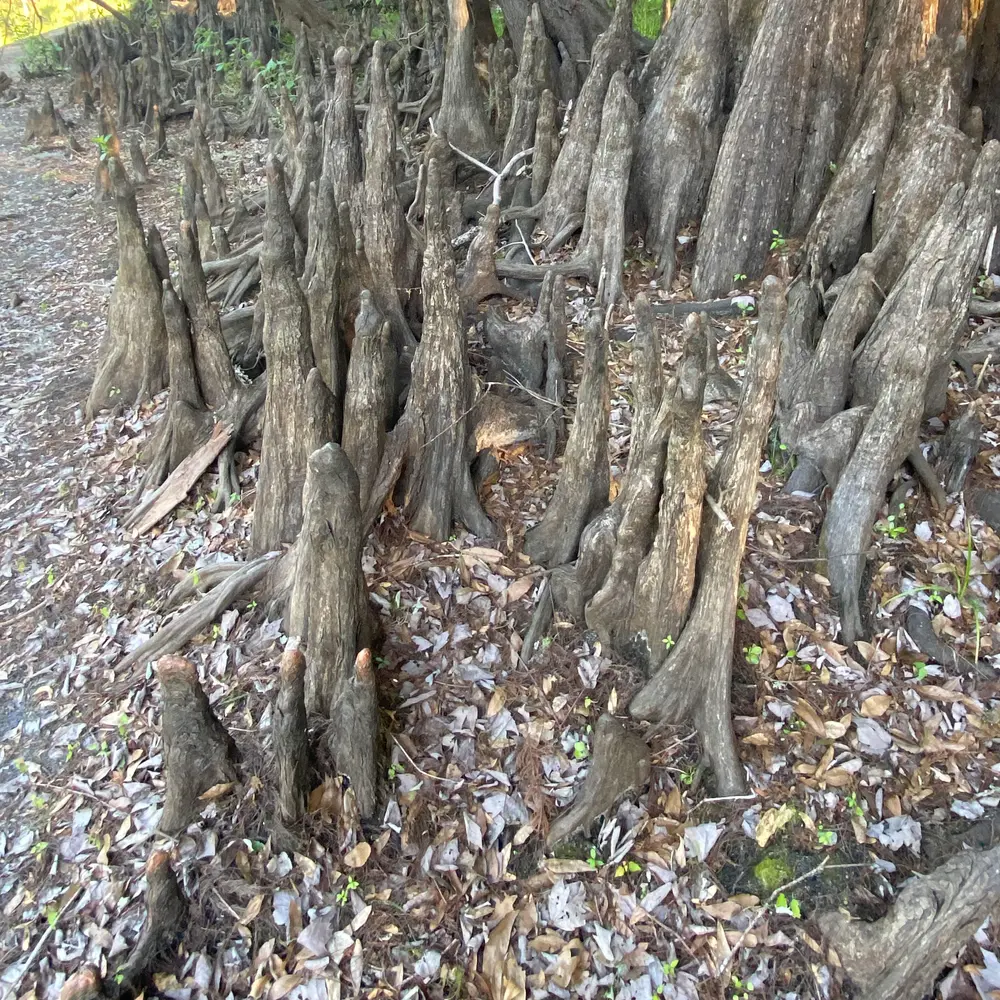
During the vegetative growth stage, swamp cypress trees experience impressive height increases, averaging between 30 to 60 cm (1 to 2 feet) each year. This growth is accompanied by the development of unique structures known as "knees," which emerge above the waterline to provide stability in their often saturated environments.
Duration of Vegetative Growth ⏳
The vegetative growth phase typically lasts from 10 to 20 years, influenced heavily by environmental conditions. Factors such as soil type—whether clay or sandy—water availability, and competition with other vegetation play crucial roles in determining the growth rate and overall health of the tree.
As these trees mature, their growth patterns not only reflect their resilience but also their adaptability to the wetland ecosystems they inhabit. Understanding these dynamics is essential for anyone interested in the life cycle of swamp cypress trees and their ecological significance.
Next, we will explore the flowering stage, where these trees begin to produce their small, yet vital, flowers.
Flowering Stage
Timing of Flowering 🌸
The flowering stage of the swamp cypress occurs from late spring to early summer, specifically between May and June. During this time, the tree produces small, inconspicuous flowers that may not catch the eye but play a crucial role in its reproductive cycle.
Pollination Process 🌬️
Swamp cypress trees primarily rely on wind for pollination. This process coincides with the flowering period and typically lasts several weeks, ensuring that pollen is effectively distributed to facilitate seed development.
As we explore the next stage, we'll delve into the fascinating world of seed production and how these trees ensure their legacy continues.
Seed Production Stage
Seed Development and Dispersal 🌬️
Swamp cypress trees produce small, winged seeds that are perfectly designed for wind dispersal. This unique feature allows the seeds to travel significant distances, increasing their chances of finding suitable locations for germination.
Seed production typically begins 3 to 5 years after the flowering stage. This timeline is crucial for the tree's lifecycle, as it marks the transition from reproductive maturity to the potential for new growth.
Duration of Seed Production ⏳
The seed production phase can last several months, usually from late summer to early fall. During this period, the tree focuses on generating seeds that will ensure its legacy.
Several factors influence seed viability, including environmental conditions and competition from other plants. Adequate moisture and nutrient-rich soil can significantly enhance seed quality, while overcrowding can hinder successful dispersal and germination.
As we explore the growth rate and maturation of the swamp cypress, it's essential to understand how these seeds contribute to the tree's long-term survival and ecological impact.
Growth Rate and Maturation
How Long Until Fully Grown? 🌳
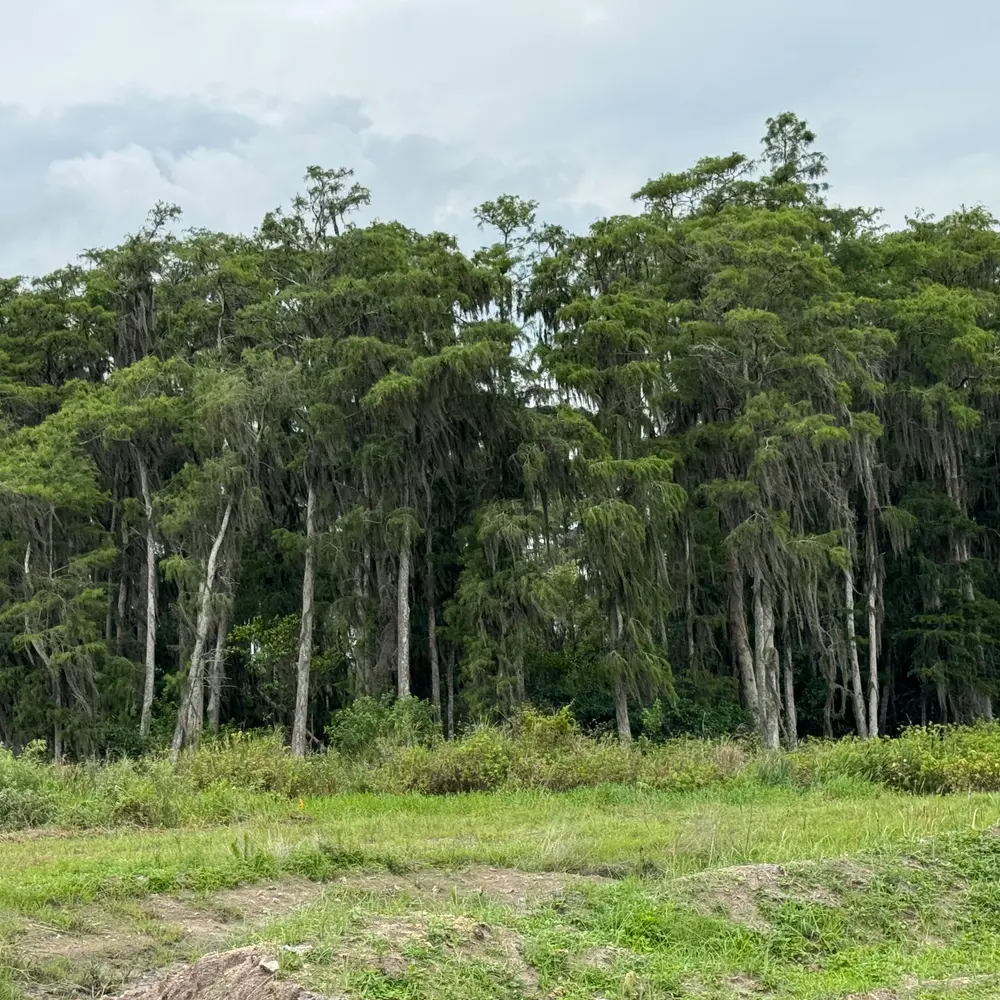
Swamp cypress trees take their time to reach full maturity, typically requiring 50 to 100 years to grow to their impressive height of up to 30 meters (100 feet). This slow but steady growth is part of what makes them such resilient and majestic trees.
Factors Affecting Growth Rate 🌱
Several factors influence how quickly these trees grow:
- Soil Quality: Nutrient-rich soils significantly promote faster growth. The more nutrients available, the better the tree can thrive.
- Water Availability: Consistent moisture is crucial for optimal growth. Swamp cypress trees flourish in wet conditions, so a reliable water source is essential.
- Competition: The presence of other vegetation can slow growth. When competing for resources, swamp cypress may struggle to reach their full potential.
Average Growth Rate Per Year 📏
Under optimal conditions, swamp cypress trees can achieve an average growth rate of 30 to 60 cm (1 to 2 feet) annually. This steady growth allows them to gradually establish their presence in wetland ecosystems.
Notable Changes Throughout Life Cycle 🌿
Physical Changes from Seedling to Maturity 🌳
As swamp cypress trees mature, they undergo significant physical transformations. They transition from needle-like leaves to a more robust canopy, providing shade and shelter.
Additionally, the trunk thickens and develops a broader base, enhancing stability. This evolution is crucial for supporting the tree's height and weight as it grows.
Changes in Ecological Role as the Tree Matures 🦉
Mature swamp cypress trees play a vital role in their ecosystems. They provide increased habitat for wildlife, offering nesting sites and food sources for various species.
Moreover, they contribute to water filtration and soil stabilization in wetland environments. Their presence helps maintain the health of these ecosystems, showcasing their importance beyond mere aesthetics.
Adaptations to Wetland Environments 🌊
Swamp cypress trees have developed unique adaptations to thrive in saturated soils. The formation of "knees"—protrusions that emerge above the waterline—provides stability in unstable conditions.
These trees also exhibit an impressive ability to tolerate flooding and can thrive in various soil types, including clay and sandy soils. Such adaptations ensure their survival and success in challenging environments.
As we explore the life cycle of the swamp cypress, it's clear that each stage is interconnected, contributing to the tree's resilience and ecological significance. Next, we'll delve into the flowering stage, where these trees begin to reproduce and continue their legacy.
⚠️ Safety First
This content is for general information and may contain errors, omissions, or outdated details. It is not medical, veterinary advice, or an endorsement of therapeutic claims.
Always consult a qualified healthcare professional before using any plant as food, medicine, or supplement.
Never eat any plant (or feed one to pets) without confirming its identity with at least two trusted sources.
If you suspect poisoning, call Poison Control (800) 222-1222, the Pet Poison Helpline (800) 213-6680, or your local emergency service immediately.
Spotted an error? Please report it here.
Unlock the secrets to thriving swamp cypress trees 🌳 with Greg's tailored care reminders and tips, ensuring your garden flourishes at every growth milestone!