💧 What Is The Best Way To Water a Bald Cypress?
Taxodium distichum
By the Greg Editorial Team
Jun 18, 2024•4 min read
This article was created with the help of AI so we can cover more plants for you. May contain errors. See one? Report it here.
- Check soil moisture - if dry an inch down, it's watering time.
- Deep water weekly during growth season, adjust with the seasons.
- Watch for over/underwatering signs, like yellowing leaves or wilting.
When to Water Your Bald Cypress
💧 Assessing Soil Moisture and Weather Patterns
To gauge soil moisture, stick your finger an inch into the ground; if it's dry, it's time to water. Weather isn't just small talk—it dictates your tree's thirst. Rainfall and heat waves should adjust your watering schedule like a thermostat.
🌱 Growth Stage Considerations
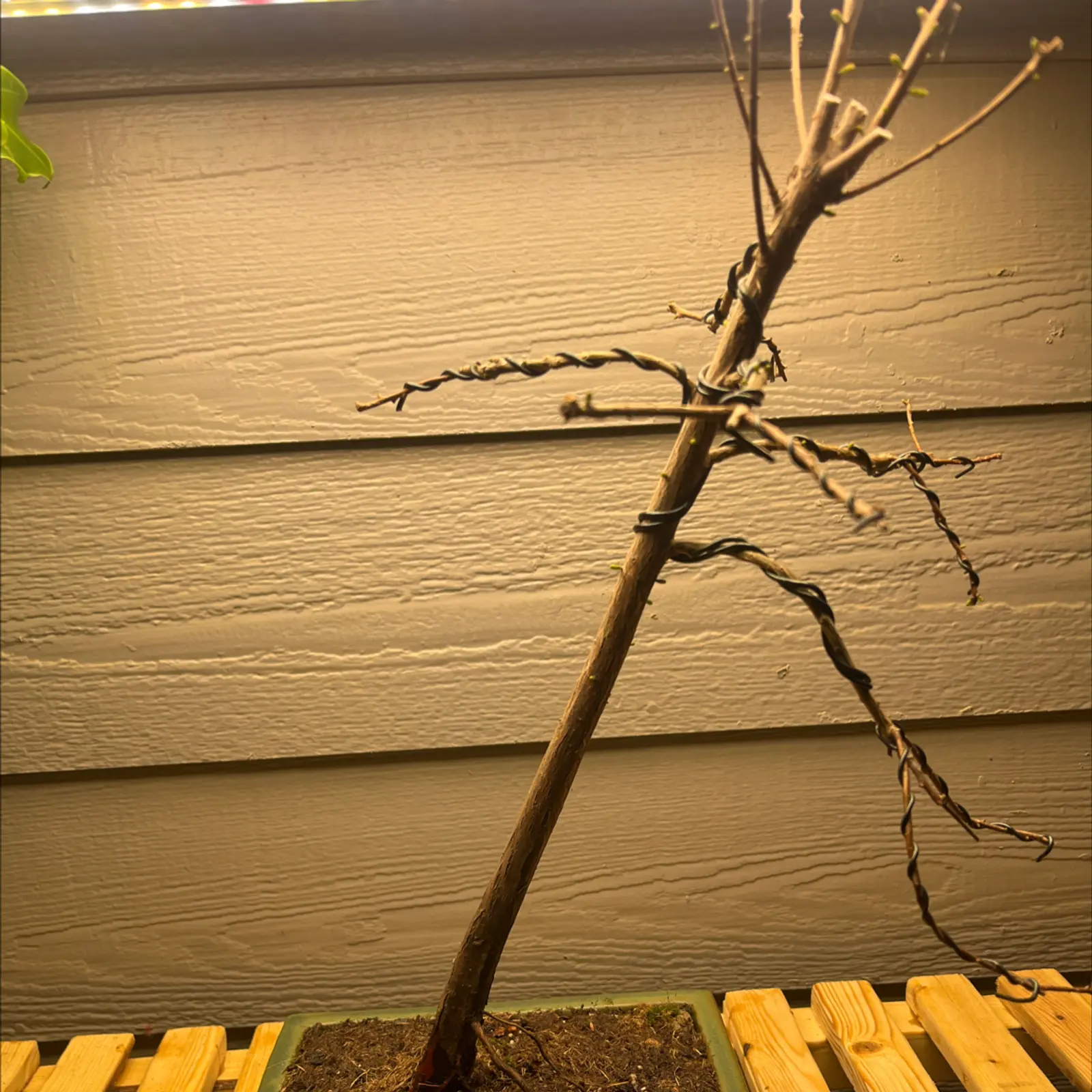
Newly planted saplings are like teens, they need consistent support—water them weekly. Mature trees are the wise elders, less needy but still deserving attention during droughts. The tree's age isn't just a number; it's a watering guide.
How to Water Your Bald Cypress Effectively
💧 Deep Watering for Healthy Roots
Deep watering is not just a suggestion; it's a necessity for the bald cypress. This technique involves saturating the soil to the depth of the root ball, ensuring that the roots extend deeply and the tree establishes a sturdy foundation. The benefits are clear: deep roots are less susceptible to drought and provide greater stability. During the growing season, aim to deep water once a week, but as the seasons change, so should your routine. In the heat of summer, your bald cypress may require more frequent deep watering sessions, while in the cooler months, you can scale back.
💦 Watering Young Trees for Strong Foundations
For those newly planted saplings, think of watering as the first chapter in their life story. Start with a step-by-step guide: water immediately after planting, ensure the entire root ball is moist, and continue to water every few days for the first few weeks. As the tree grows, you can gradually reduce the frequency. Remember, young trees are like teenagers, they need support but not smothering. Keep the soil moist but not waterlogged to prevent root rot. Mulching can be a game-changer here, helping to retain moisture and regulate soil temperature.
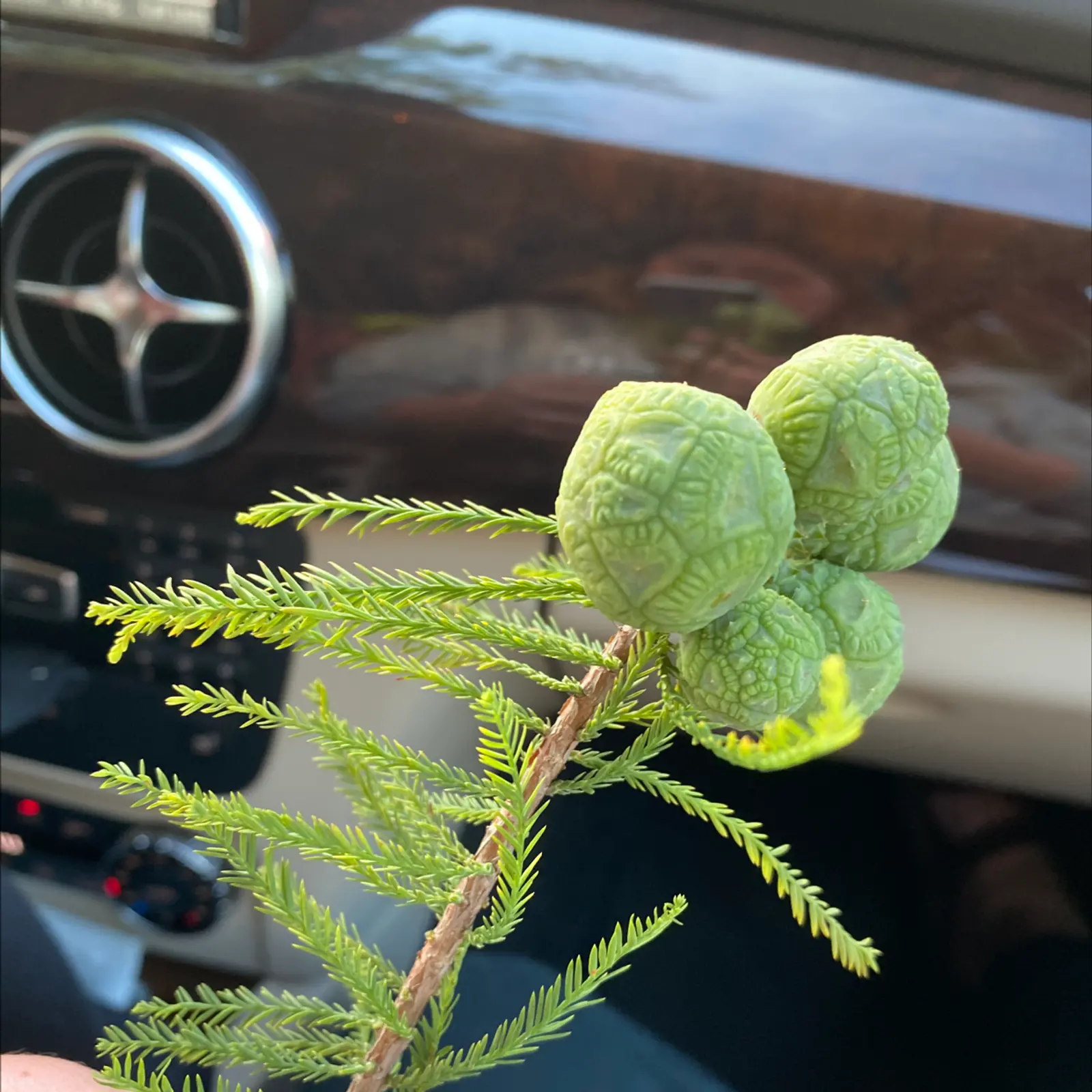
Recognizing Watering Issues
💦 Signs of Overwatering
Overwatering can turn your bald cypress's environment into a swamp it didn't sign up for. Yellowing leaves and a soggy soil that refuses to dry are the tree's way of saying, "Ease up on the hydration, buddy." If the ground feels like a wet sponge days after watering, you've crossed the line into excess. To fix this, let the soil dry out before giving it another drink. If the tree is already showing signs of root rot, like a foul smell from the soil, it's time to intervene with improved drainage or even repotting.
🏜️ Signs of Underwatering
On the flip side, underwatering leaves your bald cypress as parched as a desert wanderer. Wilting leaves and a soil that's dry enough to make a dust devil jealous are cries for help. To correct this, don't just sprinkle it with water; give it a thorough soaking so that the moisture reaches deep, where the roots can actually use it. If the soil dries out faster than you can fill your watering can, consider mulching to help retain moisture. Remember, it's a balancing act—too much or too little can send your tree into a tailspin.
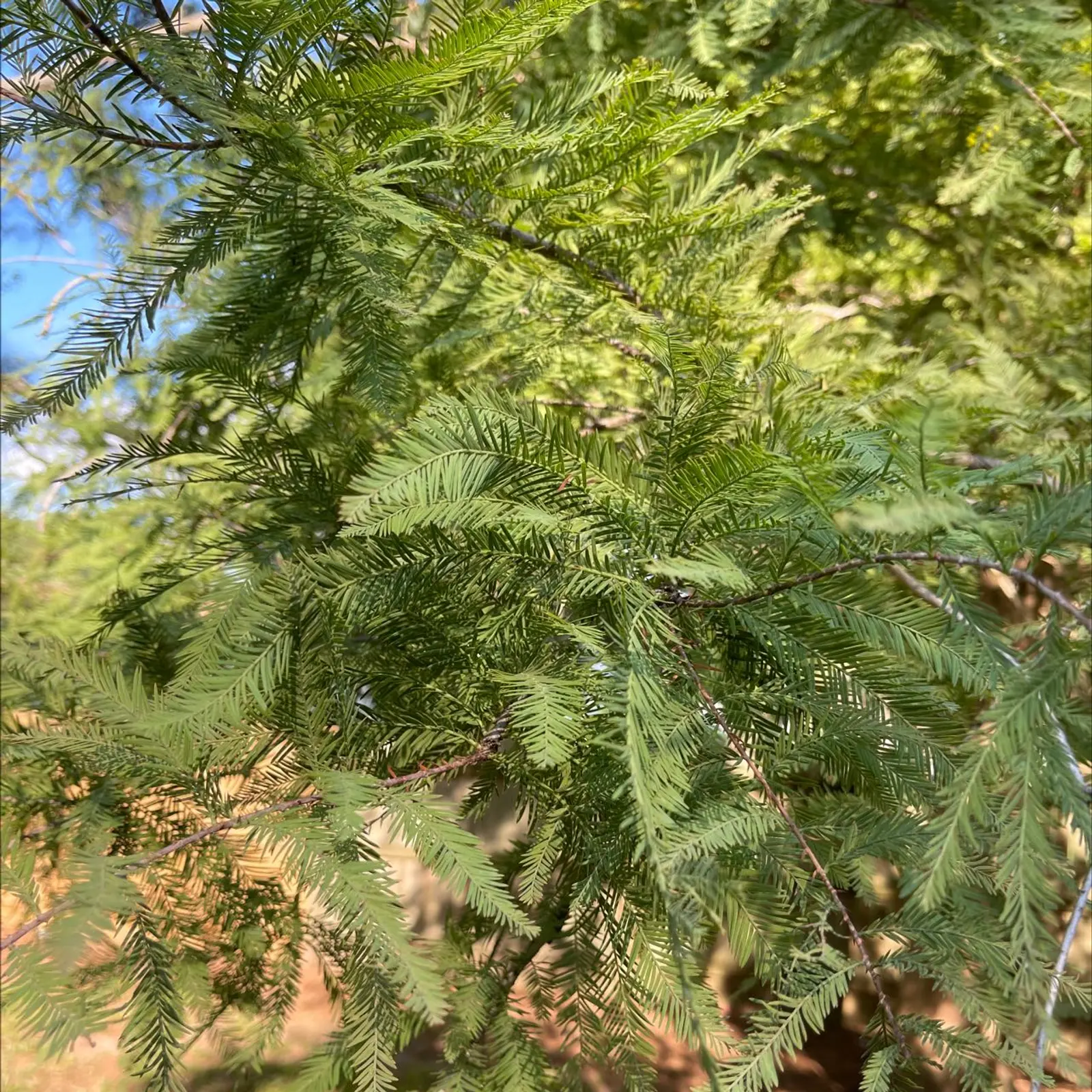
Adapting Watering Practices to Your Environment
🌆 Urban vs. Natural Settings
In an urban setting, your bald cypress may be surrounded by concrete and less natural water sources. Adjust your watering technique to compensate for the lack of natural rainfall and humidity. Consider using a drip irrigation system to provide a steady supply of moisture directly to the roots, minimizing evaporation and waste.
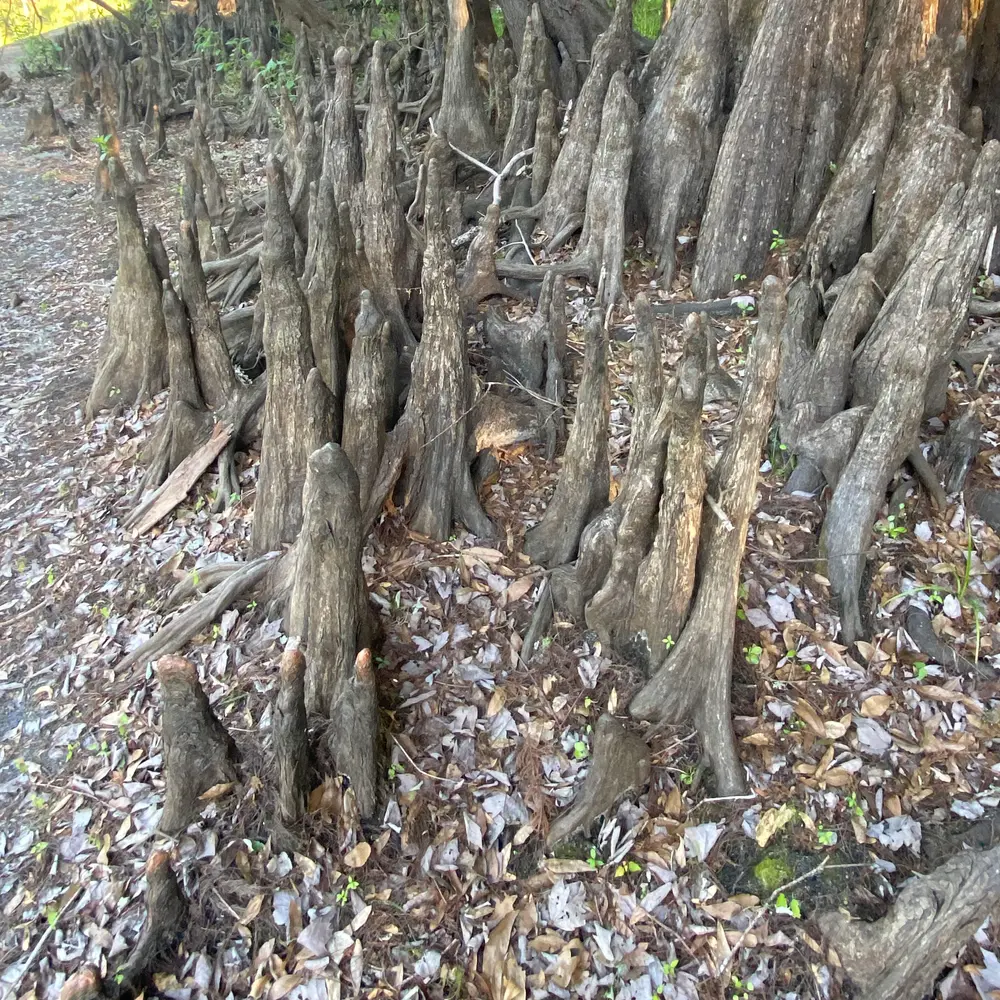
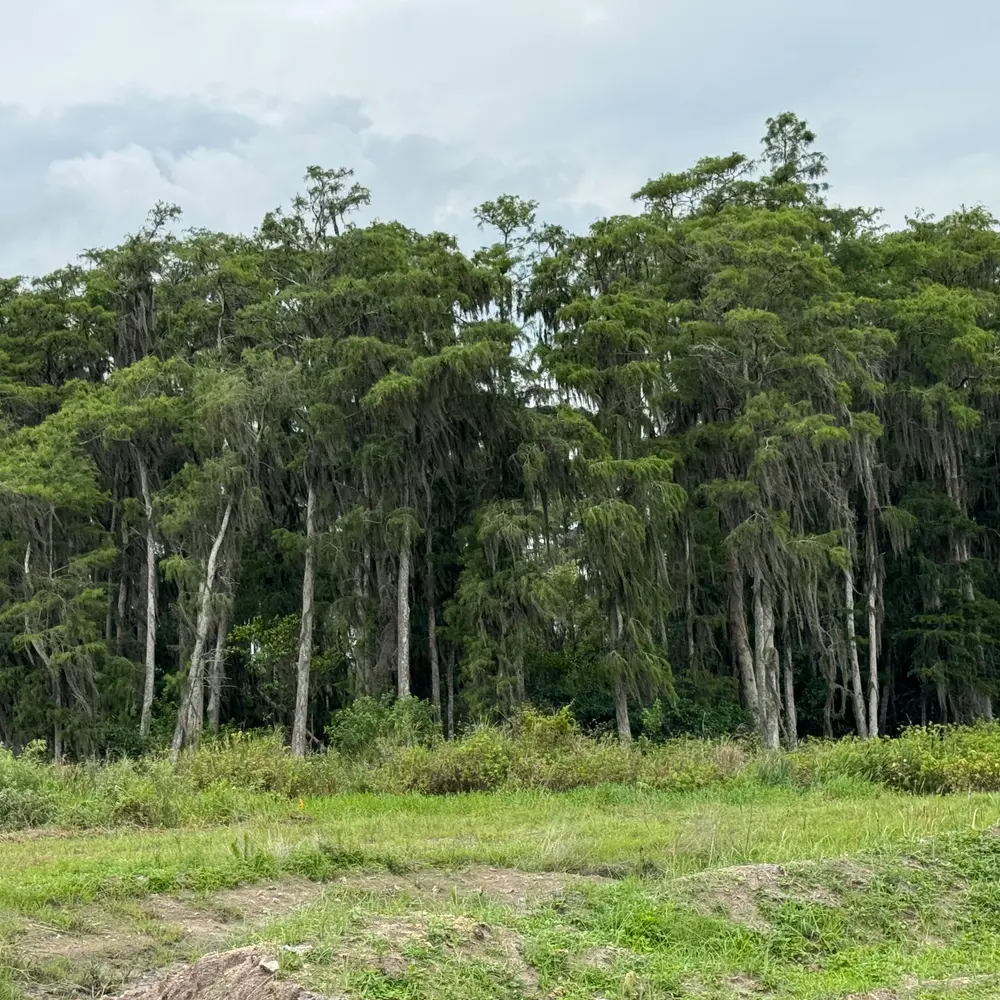
Conversely, in a natural setting, the bald cypress may benefit from nearby bodies of water and a more organic moisture cycle. Here, you might need to water less frequently, relying more on the ecosystem to maintain soil moisture. Still, during dry spells, even these trees will appreciate a helping hand.
🌱 Seasonal Adjustments
Winter months often bring a reduction in the bald cypress's water needs. Dial back on watering, as the tree's growth slows and the risk of overwatering increases. Keep an eye on the weather; if it's a particularly dry winter, you may need to water occasionally.
Come summer, the heat and longer days can dry out soil quickly. Increase watering frequency, but always check soil moisture first. Overzealous watering can lead to root rot, so let the soil's condition be your guide.
In spring and fall, transition gradually. Increase watering as temperatures rise and the tree enters its growth phase in spring. In fall, begin to reduce watering as the tree prepares for dormancy. Remember, changes in your watering routine should never be abrupt but rather a response to the tree's needs and environmental cues.
⚠️ Safety First
This content is for general information and may contain errors, omissions, or outdated details. It is not medical, veterinary advice, or an endorsement of therapeutic claims.
Always consult a qualified healthcare professional before using any plant as food, medicine, or supplement.
Never eat any plant (or feed one to pets) without confirming its identity with at least two trusted sources.
If you suspect poisoning, call Poison Control (800) 222-1222, the Pet Poison Helpline (800) 213-6680, or your local emergency service immediately.
Spotted an error? Please report it here.
Nurture your bald cypress to majestic heights 🌳 with Greg's adaptive watering reminders that respond to both your tree's needs and the whims of the weather.