How Should Bald Cypress Be Cut Back?
Taxodium distichum
By the Greg Editorial Team
Jun 18, 2024•7 min read
This article was created with the help of AI so we can cover more plants for you. May contain errors. See one? Report it here.
- Prune in dormant season for healthy growth and easy defect spotting.
- Structural and maintenance pruning shape young trees and keep mature ones healthy.
- Use proper tools and techniques, and wear safety gear for effective pruning.
Spotting the Signs: When Your Bald Cypress Needs a Trim
Pruning a Bald Cypress isn't a whimsical decision; it's a necessity. When branches start to resemble a tangled mess more than a tree, it's time to intervene. Overgrowth is your tree's subtle SOS, signaling that it's prime time for a trim.
🚩 Indicators of Pruning Time
Crossing branches are more than an aesthetic issue; they can damage your tree's health by causing wounds and inviting disease. If the central leader, the tree's main upward-growing branch, is lost, it's a clear sign to establish a new one for structural integrity.
🌲 Dormant Season: The Pruning Sweet Spot
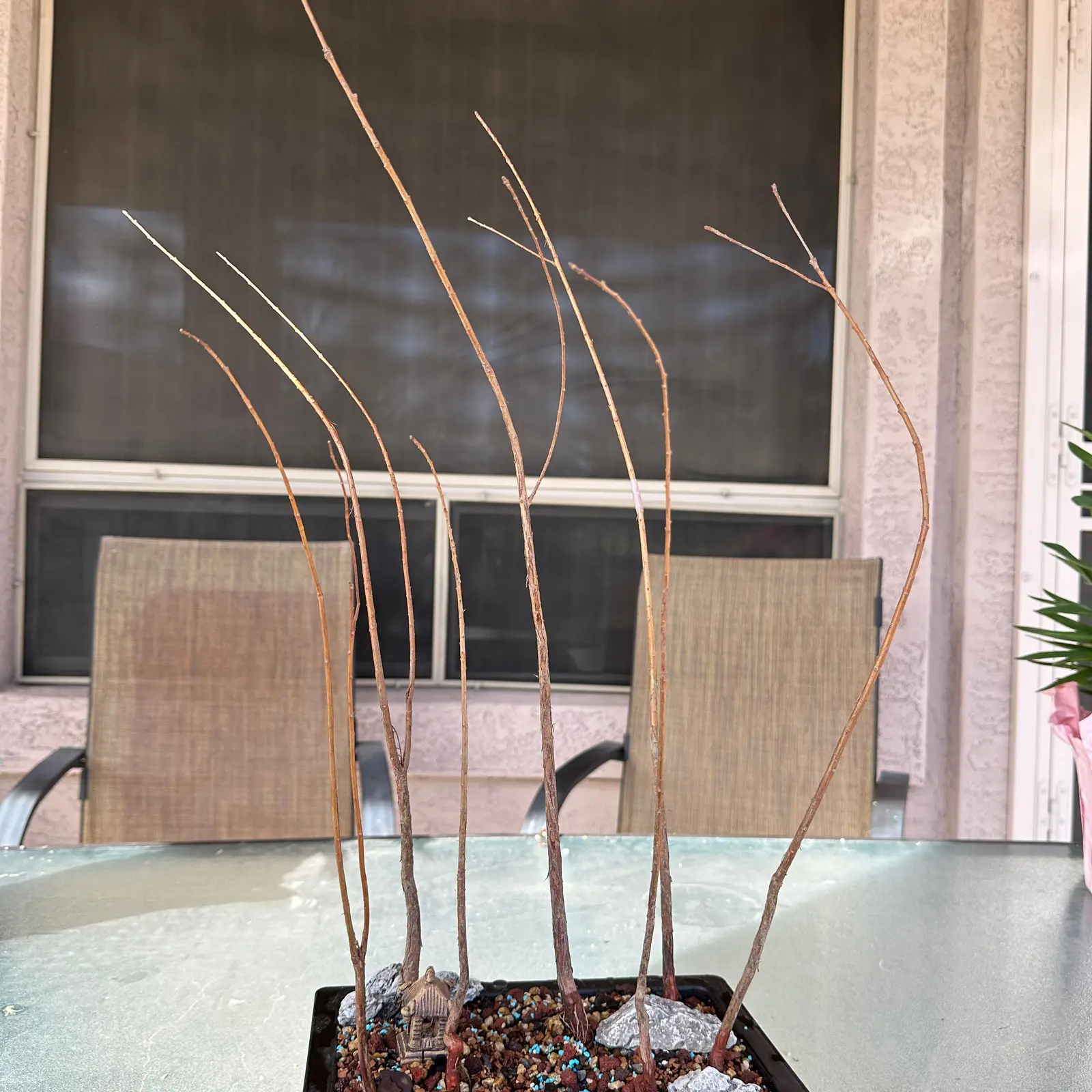
The dormant season is like the weekend for trees—a time to rest and recover. For Bald Cypress, this is typically when the leaves have fallen and the tree is not actively growing. Pruning during this period minimizes stress on the tree and sets the stage for vigorous spring growth.
❄️ Why Winter Works Wonders
Winter reveals the Bald Cypress in all its bare-boned glory, making it easier to spot defects. It's the perfect time to remove poorly formed branches and shape the tree without the leafy camouflage. Plus, the risk of transmitting diseases is lower in cold weather, giving your tree a healthier cut.
Remember, it's not just about hacking away at the overgrowth. It's about strategic cuts that respect the tree's natural form and promote its well-being. So, grab your tools when the tree is dormant, and get ready to give your Bald Cypress the trim it deserves.
Making the Cut: Pruning Techniques for Bald Cypress
🌱 Structural Pruning: Shaping Young Trees
Young Bald Cypress trees benefit from structural pruning to establish a strong foundation for future growth. This involves training the tree to develop proper branch spacing and form. Early removal of structural defects prevents more complicated issues as the tree matures.
🌿 Training for Proper Branch Spacing and Form
Aim to create evenly spaced branches around a central leader. This ensures the tree grows with a balanced structure. Remove any branches that are too close together or that cross over one another, which can lead to damaged bark and disease.
🪓 Removing Structural Defects Early On
Inspect for and promptly remove any weak or dead branches. Pay special attention to branches with narrow angles of attachment as they are prone to splitting. This proactive approach reduces the need for more intensive interventions later.
🌳 Maintenance Pruning: Keeping Mature Trees Healthy
As Bald Cypress trees reach maturity, maintenance pruning focuses on the health and aesthetics of the tree. This involves the selective removal of problematic branches and enhancing the tree's access to air and light.
🌲 Selective Removal of Problematic Branches
Identify and cut away branches that are dead, diseased, or show signs of weak attachment. This not only prevents potential hazards but also directs the tree's energy to its healthiest parts.
☀️ Enhancing Air Circulation and Light Penetration
Thinning the canopy can improve air flow and light availability, essential for the tree's overall vigor and resilience. However, avoid over-thinning, which can stress the tree and lead to excessive sun exposure.
Pruning Like a Pro: Best Practices and Tips
✂️ The Right Way to Make Cuts
Sharpness is non-negotiable. Dull blades mangle, not prune. Always use clean, sharp tools to make precise cuts that promote quick healing. When cutting, aim for a 45-degree angle to prevent water from pooling on the wound, which invites rot and disease.
Never leave stubs. They're an open invitation for pests and decay. Instead, cut close to the main stem without damaging the branch collar. This area is crucial for proper healing, so treat it with respect.
🚫 Avoiding Common Pruning Mistakes
Don't get paint happy. Covering cuts with tar or paint is like slapping a band-aid on a surgery incision—it traps moisture and breeds disease. Trees are pros at healing; let them do their thing.
Take it slow. Rushing through pruning is like speed-reading a thriller—you'll miss the important parts. Assess each branch carefully before making the cut. And remember, over-pruning is like over-plucking eyebrows; it stresses the tree and can lead to sparse growth.
Avoid the one-cut blunder. Large, thoughtless cuts can do more harm than good. Focus on removing only the damaged or dead parts, and always cut back to a lateral branch.
🌱 Pruning to Promote Plant Health
Remove crossing or rubbing branches to prevent wounds and future issues. Think of it as preemptive care—like flossing to avoid cavities.
💡 General Pruning Tips and Techniques
Use pruning shears for the small stuff, but for the big branches, bring out the lopping shears or a hand saw. And let's be clear: hedge shears are for hedges, not your Bald Cypress.
🛡️ Safety First
Protective gear is a must. Goggles and gloves aren't just fashion statements; they're your defense against flying debris and sharp tools. Always cut away from yourself—this isn't a slasher film.
🌿 More Pruning Techniques
Understand different types of cuts. There's more to it than just snipping away. Learn the difference between thinning, heading, and pinching to ensure you're not just pruning, but enhancing your tree's natural shape and health.
Gear Up: Tools and Safety for Pruning Bald Cypress
🔪 Essential Tools for Effective Pruning
Sharpness is your friend when it comes to pruning tools. Grab a pair of pruning shears for the small stuff and loppers for branches that have a bit more heft. When you encounter the big leagues of branches, a hand saw will be your go-to. Before you start, give those tools a good clean—disinfection is like a secret handshake that keeps diseases out of the club.
🛡️ Safety Tips to Protect Yourself and Your Tree
Goggles and gloves—the dynamic duo of personal protection. Don't even think about pruning without them. They're like the bouncers that keep your hands and eyes safe from harm. And remember, always cut away from yourself; this isn't an action movie where you're dodging flying debris. If you're going up against taller branches, consider a pole saw to keep things at a safe distance. Oh, and one more thing: ladders and trees can be a tricky combo, so if you're not feeling like a sure-footed mountain goat, maybe leave the high-wire acts to the pros. Safety isn't just a suggestion—it's the law of the land in pruning town.
Post-Pruning Care: Ensuring a Speedy Recovery
🌱 Immediate Aftercare Steps
Sanitize your tools after pruning; this is non-negotiable. Use rubbing alcohol or a mild bleach solution to prevent disease spread. It's like a surgeon cleaning their scalpel—basic but critical.
Avoid watering your Bald Cypress right away. Patience is key; give it time to heal before adding the stress of water. Instead, ensure it's in an environment with stable temperatures and some shelter from harsh elements.
🚨 Monitoring for Stress or Disease
Keep a vigilant eye on your tree for signs of distress. Discoloration, wilting, or unusual leaf drop can signal trouble. If you spot these, don't hesitate; adjust care or seek advice.
New growth is the thumbs-up you're looking for—it means your Bald Cypress is on the mend. Celebrate these signs of recovery, but remain observant for any setbacks.
Remember, post-pruning care isn't just a one-off; it's about consistent monitoring and maintenance. Your Bald Cypress doesn't need coddling, but it does deserve attention to bounce back stronger.
⚠️ Safety First
This content is for general information and may contain errors, omissions, or outdated details. It is not medical, veterinary advice, or an endorsement of therapeutic claims.
Always consult a qualified healthcare professional before using any plant as food, medicine, or supplement.
Never eat any plant (or feed one to pets) without confirming its identity with at least two trusted sources.
If you suspect poisoning, call Poison Control (800) 222-1222, the Pet Poison Helpline (800) 213-6680, or your local emergency service immediately.
Spotted an error? Please report it here.
Prune your Bald Cypress to majestic health 🌳 with Greg's dormant season reminders and expert care tips, ensuring a tree that's as robust as your plant care skills.