🍂 Why Is My Bald Cypress Dropping Leaves?
Taxodium distichum
By the Greg Editorial Team
Jun 18, 2024•6 min read
This article was created with the help of AI so we can cover more plants for you. May contain errors. See one? Report it here.
- Seasonal shedding is natural, but excessive drop signals distress.
- Water wisely: Too little or too much can cause leaf loss.
- Nutrients and care matter: Fertilize and inspect regularly to prevent issues.
When Leaves Say Goodbye: Natural vs. Troublesome Leaf Drop
🍂 The Expected Autumnal Shed: Seasonal Leaf Shedding
Bald Cypress trees, like many deciduous species, shed leaves as part of their natural cycle. This annual event is as predictable as the changing seasons. As daylight wanes and temperatures cool, a chemical reaction within the tree slows sap flow and chlorophyll fades, allowing for the stunning display of fall colors before the leaves gracefully descend. This process is not just about aesthetics; it's a crucial adaptation for survival through the winter months.
🚨 When It's Not Just Fall: Recognizing Unnatural Leaf Drop
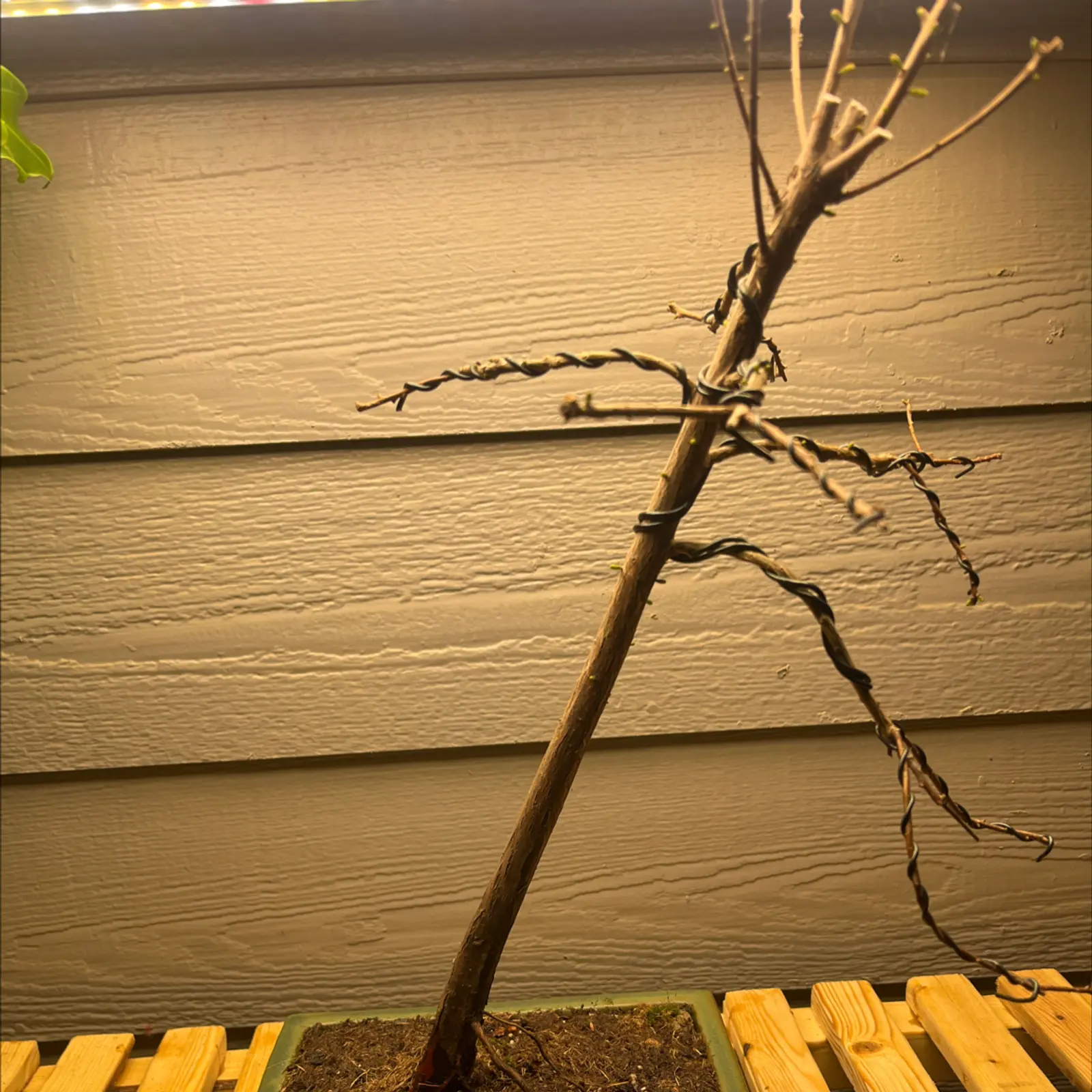
Leaf drop outside the normal autumnal timeline can signal distress. If your Bald Cypress begins to shed leaves prematurely or excessively, it's time to play detective. Look for patterns that deviate from the typical gentle cascade of fall. Erratic leaf loss, yellowing or browning without the presence of fall's shorter days, and leaves that drop without changing color are all red flags. These symptoms may point to environmental stressors, pests, diseases, or care issues that require immediate attention to prevent further damage.
Thirsty Roots or Drenched Soles: Water Stress and Leaf Drop
🏜️ The Drought Effect: Underwatering Woes
Bald Cypress trees are not cacti; they can't just shrug off a dry spell. Underwatering these trees is like sending them on a forced march through Death Valley—without a water bottle. The leaves turn crispy, then wave goodbye as they fall off. It's a survival tactic; the tree's shedding excess baggage to conserve moisture. To prevent this, check the soil's moisture by feeling the top inch. If it's drier than a humorist's wit, it's time to water. But don't just sprinkle the surface; give it a deep, thorough soaking, allowing the roots to drink their fill.
🚰 The Flooded Grief: Overwatering and Root Rot
On the other hand, overwatering your Bald Cypress is like throwing it a pool party without a lifeguard. The roots get overwhelmed. They're gasping for air in a soggy, oxygen-deprived environment. Signs of overindulgence include yellowing leaves and a base softer than overripe fruit. This can lead to root rot, a condition as appealing as week-old sushi. To avoid this, ensure the tree's soil has proper drainage. Water should be given in moderation, allowing the soil to dry slightly between waterings. Remember, roots need to breathe too, so don't drown them in your eagerness to hydrate.
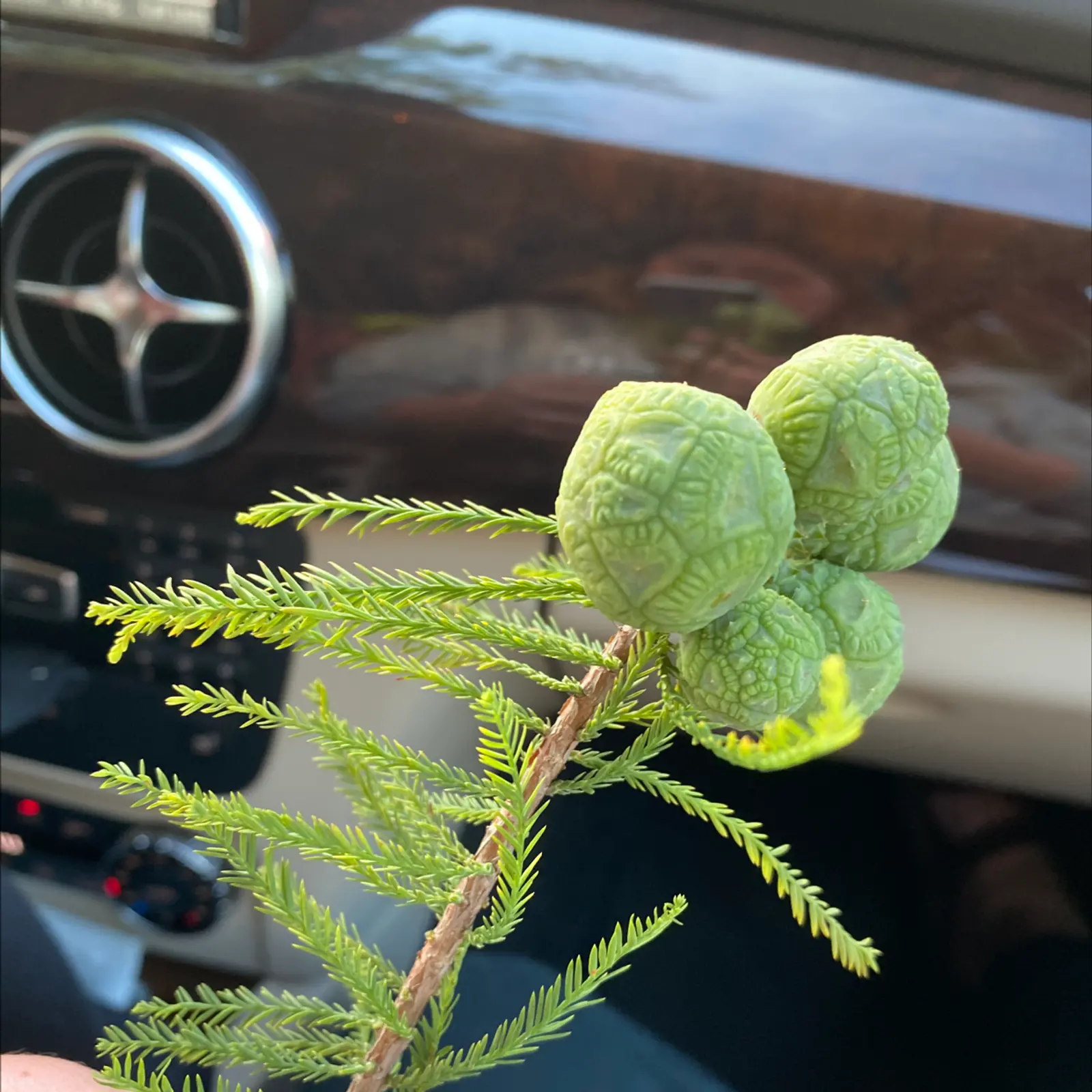
Uninvited Guests: Pests and Diseases Leading to Leaf Loss
🐛 Bug Battles: Common Pests that Target Bald Cypress
Bald Cypress trees face a barrage of pests. Spider mites are tiny vampires, draining the life from leaves until they're pale and sickly. Cypress beetles, with their yellow heads and dark bodies, aren't tree killers, but they're trouble in numbers, feasting on needles and cozying up in the crown. Bagworms are crafty, constructing camouflaged silk homes that can house a future infestation. Vigilance is key; inspect regularly and be ready to evict these critters with a blast of water or by hand-picking their homes.
🍄 Fungal Foes: Diseases that Trigger Leaf Drop
Fungal diseases are stealthy, often going unnoticed until the damage is done. Needle blights like Asperisporium and Pestalotia cause telltale spotting on needles and bark. They thrive in wet conditions, spreading like wildfire. If you spot these symptoms, it's time to act—prune affected areas and consider fungicides. Remember, prevention is better than cure; keep an eye on watering practices to fend off these fungal foes.
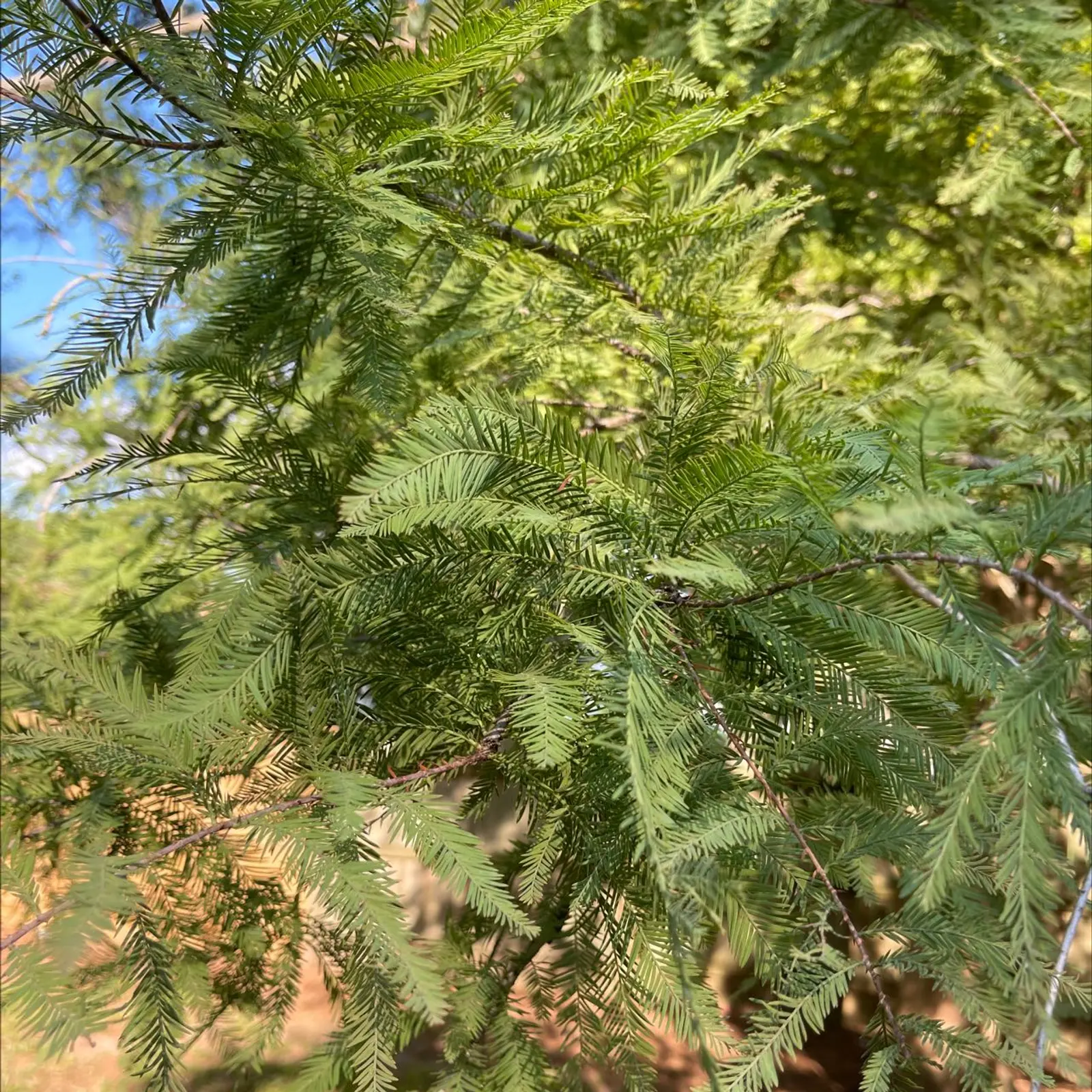
Feeding for Health: Nutrient Deficiencies and Leaf Drop
💪 The Nitrogen Necessity: Addressing Deficiencies
Bald Cypress trees, like all living things, need a balanced diet to thrive. Nitrogen is a key player in this mix, essential for the production of chlorophyll, which gives leaves their green hue. When nitrogen is scarce, leaves may turn yellow and fall off, a clear distress signal from your tree. It's like the tree is waving a flag, saying, "Hey, I'm running low on my greens here!"
To combat this, conduct a soil test to measure nutrient levels. If nitrogen is lacking, consider applying a nitrogen-rich fertilizer, but don't go overboard. It's about finding that sweet spot—too much nitrogen, and you might as well be feeding your tree junk food.
🥦 A Balanced Diet: Ensuring Proper Nutrient Intake
A Bald Cypress's diet isn't just about nitrogen. Potassium and magnesium are also part of the nutritional trinity that keeps leaves robust and firmly attached. If your tree's leaves are looking more like a worn-out pair of jeans—yellow and thinning—it's time to intervene.
Add organic matter such as compost to enrich the soil. It's like a slow-release energy bar for your tree. And remember, the pH level of the soil affects nutrient uptake, so keep it balanced. A fertilizer applied once a year in spring can provide a well-rounded meal for your Bald Cypress, but always follow the Goldilocks principle—not too much, not too little, but just right.
Prevention and Care: Keeping Your Bald Cypress Happy
💧 Water Wisdom: Mastering the Art of Irrigation
Bald Cypress trees are thirsty giants, craving deep, infrequent waterings. To prevent stress-related leaf drop, soak the soil thoroughly, reaching the entire root zone. This encourages roots to grow deep and strong, making the tree more resilient during dry spells. Avoid shallow sprinklings; they're about as useful as a rain dance in a drought.
🐜 Pest Patrol and Disease Defense: Proactive Measures
Regular inspections are your first line of defense against pests and diseases. Think of it as a routine health check-up for your tree. Spotting trouble early can save you a world of hurt. If you do find uninvited guests, act swiftly with appropriate treatments. And remember, pruning isn't just a cosmetic fix—it's a strategic strike to improve airflow and keep diseases at bay.
🌪 Shelter from the Storm: Protecting from Environmental Stress
Your Bald Cypress can take a punch, but why let it get hit? Protect it from extreme weather by providing adequate mulch to regulate soil temperature and retain moisture. In the face of scorching summers, ensure it's not getting roasted alive. And when winter rolls in, a good soaking before the freeze can be as comforting as a warm blanket.
⚠️ Safety First
This content is for general information and may contain errors, omissions, or outdated details. It is not medical, veterinary advice, or an endorsement of therapeutic claims.
Always consult a qualified healthcare professional before using any plant as food, medicine, or supplement.
Never eat any plant (or feed one to pets) without confirming its identity with at least two trusted sources.
If you suspect poisoning, call Poison Control (800) 222-1222, the Pet Poison Helpline (800) 213-6680, or your local emergency service immediately.
Spotted an error? Please report it here.
Keep your Bald Cypress thriving 🌳 with Greg's custom care reminders, ensuring you tackle underwatering, pests, and nutrient needs before leaves can fall.