🌳 Why Bald Cypress Is Not an Annual
Taxodium distichum
By the Greg Editorial Team
Sep 30, 2024•5 min read
This article was created with the help of AI so we can cover more plants for you. May contain errors. See one? Report it here.
- 🌳 Bald Cypress is a perennial, thriving for hundreds of years with unique adaptations.
- 🍂 Deciduous nature allows energy conservation by shedding leaves in winter, typical of perennials.
- 🌊 Moist, acidic soils are ideal for Bald Cypress, enhancing its growth and resilience.
Bald Cypress as a Perennial
🌱 Genetic Characteristics
Bald cypress trees possess unique genetic adaptations that contribute to their longevity and resilience. These traits allow them to thrive in challenging environments, setting them apart from many other perennial trees.
In comparison to other perennials, bald cypress showcases remarkable genetic diversity. This diversity enhances their ability to withstand environmental stressors, making them a robust choice for various landscapes.
🌳 Physiological Traits Supporting Perennial Classification
One of the defining features of bald cypress is its deciduous nature. These trees shed their leaves in winter, a strategy that conserves energy during colder months.
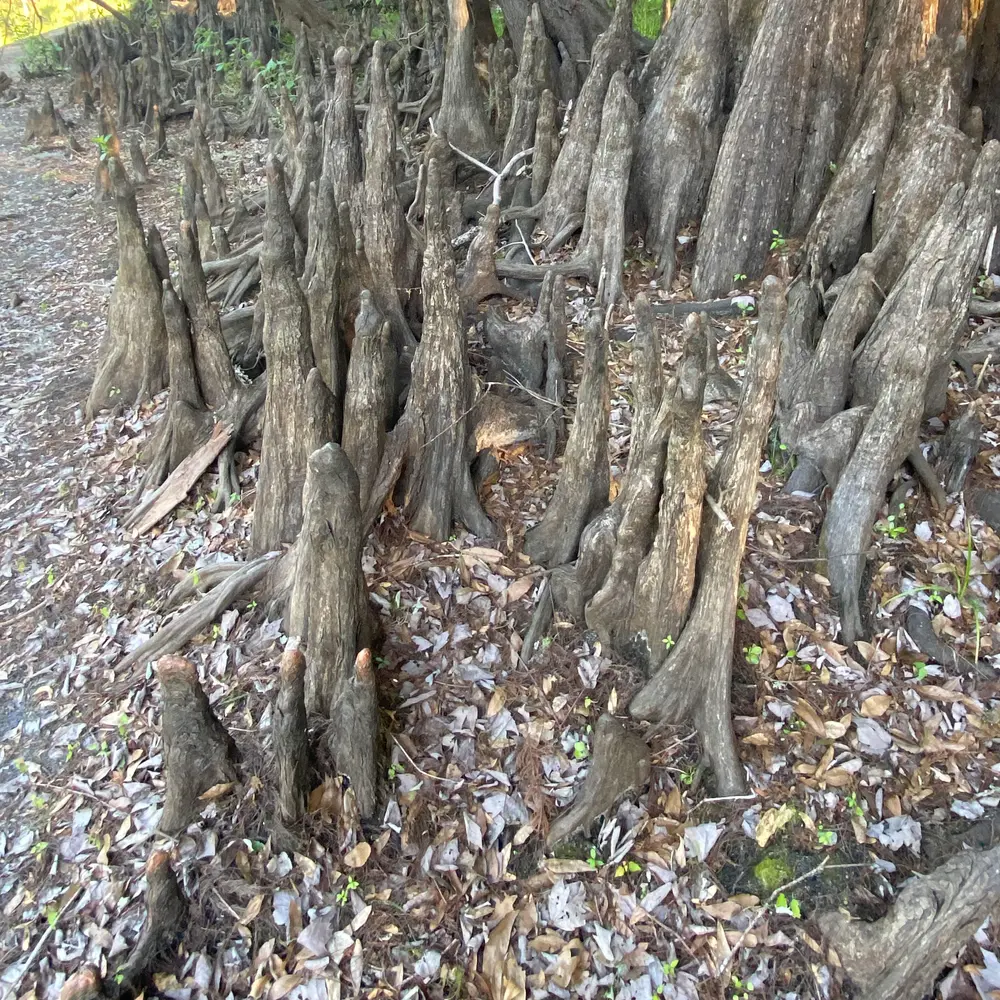
Additionally, bald cypress has unique adaptations for wetland environments. They thrive in moist, acidic soils, which further supports their classification as perennials.
⏳ Long-Term Lifecycle and Growth Patterns
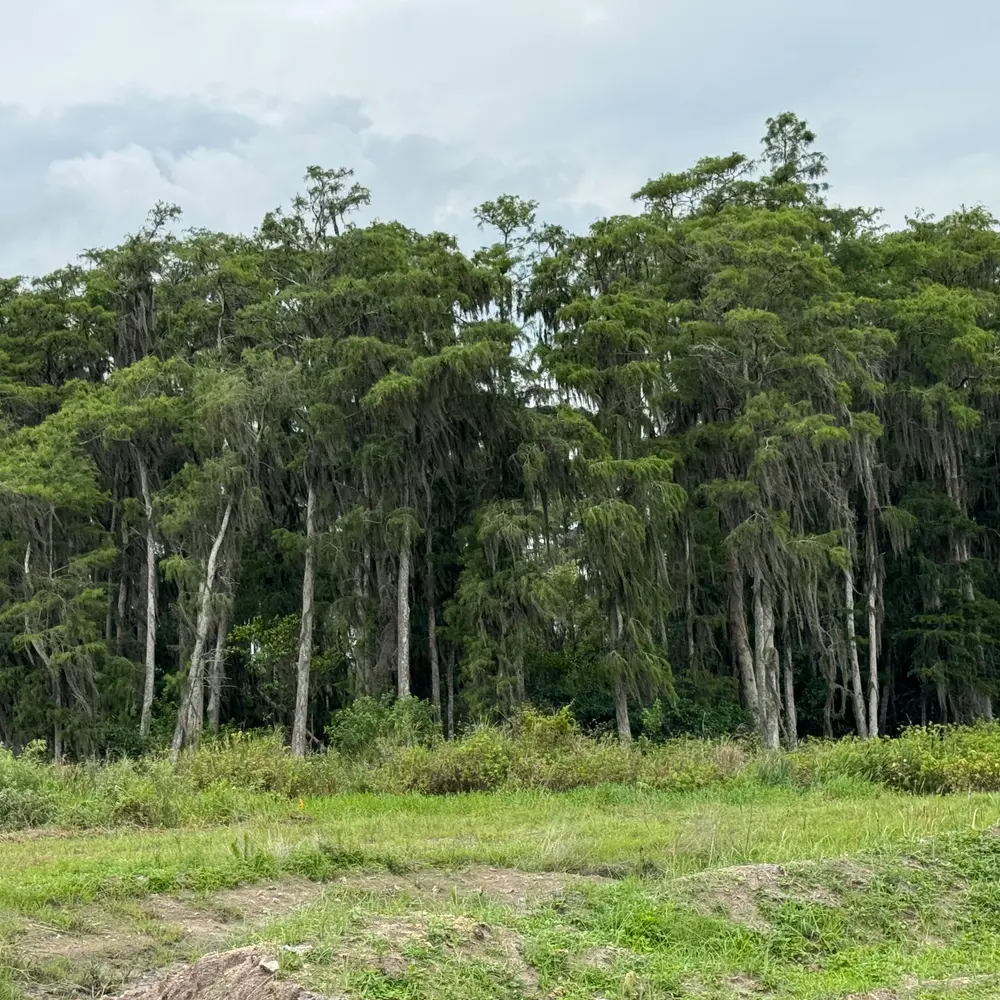
Bald cypress trees can live for hundreds of years, showcasing an impressive lifespan. Their growth patterns typically start slow, followed by a rapid expansion phase as they mature.
Seasonal changes also play a crucial role in their lifecycle. These trees enter dormancy in winter, while spring and summer bring active growth, allowing them to flourish when conditions are optimal.
This understanding of bald cypress as a perennial sets the stage for exploring its reproductive strategies and the unique flowering patterns that follow.
Reproductive Strategies
🌸 Flowering Patterns
Bald Cypress trees bloom from late spring to early summer, showcasing their unique reproductive cycle. The flowers are structured as cones, which play a crucial role in the tree's reproduction, allowing for effective seed production.
🌱 Seed Production and Dispersal Mechanisms
These trees produce a significant quantity of seeds, typically in late summer. The dispersal methods primarily involve wind and water, ensuring that seeds reach suitable environments for germination.
Bald Cypress differs from true annuals in its seed production frequency and strategy. While annuals may produce seeds multiple times a year, Bald Cypress focuses on a single, robust production cycle, emphasizing quality over quantity.
📊 Summary of Reproductive Strategies
- Timing: Late spring to early summer flowering.
- Structure: Cones facilitate reproduction.
- Seed Production: High quantity, single cycle.
- Dispersal: Wind and water as key agents.
Understanding these reproductive strategies highlights the resilience and adaptability of Bald Cypress. This knowledge is essential for anyone looking to cultivate these magnificent trees in their landscapes.
Next, we will explore the misconceptions surrounding Bald Cypress and the conditions that may lead to it being mistaken for an annual.
Misconceptions and Exceptions
🧐 Conditions Where It May Be Mistaken for an Annual
Bald Cypress can sometimes be misidentified as an annual due to environmental stressors. Drought or extreme temperatures can cause it to appear lifeless, leading observers to think it has died off for the season.
Mismanagement also plays a role in this misconception. Poor care practices, such as inadequate watering or improper soil conditions, can stunt its growth, making it seem like a short-lived plant.
🌍 Regional Variations Affecting Its Classification
Geographic factors significantly influence the growth patterns of Bald Cypress. In regions with varying climates, the tree may exhibit different characteristics, which can confuse its classification.
Soil and water availability are crucial as well. In areas where these resources are scarce, the tree's lifecycle may be altered, further contributing to misconceptions about its perennial nature.
Understanding these nuances helps clarify why Bald Cypress deserves its status as a perennial, despite occasional misinterpretations.
As we delve deeper into its reproductive strategies, we’ll uncover more about how this remarkable tree thrives in diverse environments.
Implications for Gardeners
🌳 Advantages in Garden Design
Bald Cypress trees bring a unique aesthetic to any garden with their distinctive trunks and feathery foliage. Beyond their beauty, they offer ecological benefits, attracting wildlife and enhancing soil health.
📅 Perennial Planning vs. Annual Planning
Investing in Bald Cypress is a long-term commitment. While the initial cost and effort may be higher than planting annuals, the rewards of a resilient, perennial tree are well worth it.
🌱 Tips for Maximizing Longevity and Health
Choosing the right planting location is crucial. Bald Cypress thrives in moist, acidic soils, so ensure your garden meets these conditions.
Companion planting can also enhance their growth and resilience. Pairing them with compatible plants creates a supportive ecosystem that benefits all species involved.
Incorporating Bald Cypress into your garden not only elevates its beauty but also contributes positively to the environment. With thoughtful planning and care, these trees can flourish for generations, making your garden a lasting legacy.
Management Tips
Best Practices for Maintaining as a Perennial 🌱
To keep your Bald Cypress thriving, regular monitoring of soil moisture levels is essential. These trees prefer consistently moist, acidic soils, so check the moisture regularly to ensure they aren’t drying out.
Pruning is another key practice that promotes healthy growth. By removing dead or overcrowded branches, you can enhance air circulation and sunlight penetration, which are vital for the tree's overall health.
Seasonal Considerations for Growth and Care 🌸
In spring, focus on fertilization and monitoring new growth. This is when your Bald Cypress will start to awaken from dormancy, and a nutrient boost can help kickstart its growth.
During the summer months, pay close attention to watering needs, especially during peak heat. Keeping the soil adequately moist will support the tree's health and vigor.
As fall approaches, prepare your Bald Cypress for winter dormancy. This involves reducing watering and ensuring the tree is well-established to withstand colder temperatures.
Common Challenges and Solutions 🐛
Pest and disease management is crucial for maintaining your Bald Cypress. Common issues include aphids and fungal infections, so keep an eye out for any signs of distress.
Environmental stress can also pose challenges, particularly from drought or flooding. Implementing proper drainage and mulching can help mitigate these effects, ensuring your tree remains resilient.
By following these management tips, you can enjoy the beauty and longevity of your Bald Cypress for years to come. Next, let’s explore the implications of these trees for gardeners and how they can enhance your landscape.
⚠️ Safety First
This content is for general information and may contain errors, omissions, or outdated details. It is not medical, veterinary advice, or an endorsement of therapeutic claims.
Always consult a qualified healthcare professional before using any plant as food, medicine, or supplement.
Never eat any plant (or feed one to pets) without confirming its identity with at least two trusted sources.
If you suspect poisoning, call Poison Control (800) 222-1222, the Pet Poison Helpline (800) 213-6680, or your local emergency service immediately.
Spotted an error? Please report it here.
Unlock the secrets of your Bald Cypress's longevity 🌱 with Greg's personalized care reminders and moisture monitoring, ensuring it thrives beautifully for generations to come!