Light Requirements For My Bald Cypress by Season
Taxodium distichum
By the Greg Editorial Team
Jun 18, 2024•4 min read
This article was created with the help of AI so we can cover more plants for you. May contain errors. See one? Report it here.
- Full sun needed: At least 6 hours daily for Bald Cypress health.
- Seasonal light shifts: Increase in spring/summer, reduce in fall/winter.
- Indoor care: South-facing windows ideal, grow lights for extra support.
Soaking Up the Sun: Outdoor Light Love for Bald Cypress
🌱 Spring Awakening
As spring unfurls, your Bald Cypress emerges from its winter slumber, eager for sunlight. Full sun is the name of the game, with these trees thriving in at least 6 hours of direct light daily.
To prevent sun damage during the heat of late spring, consider strategic placement. Ensure your tree isn't exposed to harsh afternoon rays without relief, especially if the foliage shows signs of distress.
🍂 Fall Transitions
When autumn chills whisper through the leaves, it's time to adjust for shorter, less intense days. Your Bald Cypress will appreciate the milder light as it prepares for dormancy.
No need for drastic changes; the tree's natural habitat has it acclimated to the gradual decline in light. Just keep an eye out for early leaf browning, which could signal stress from too much sun or other issues.
❄️ Winter Dormancy
Come winter, your Bald Cypress takes a low-light nap. Though dormant, it still benefits from exposure to the weaker winter sun.
Position your tree to maximize these gentler rays, mindful of the shorter days. No need for grow lights—the Bald Cypress is well-adapted to outdoor winter conditions, provided it's not in a container that might freeze.
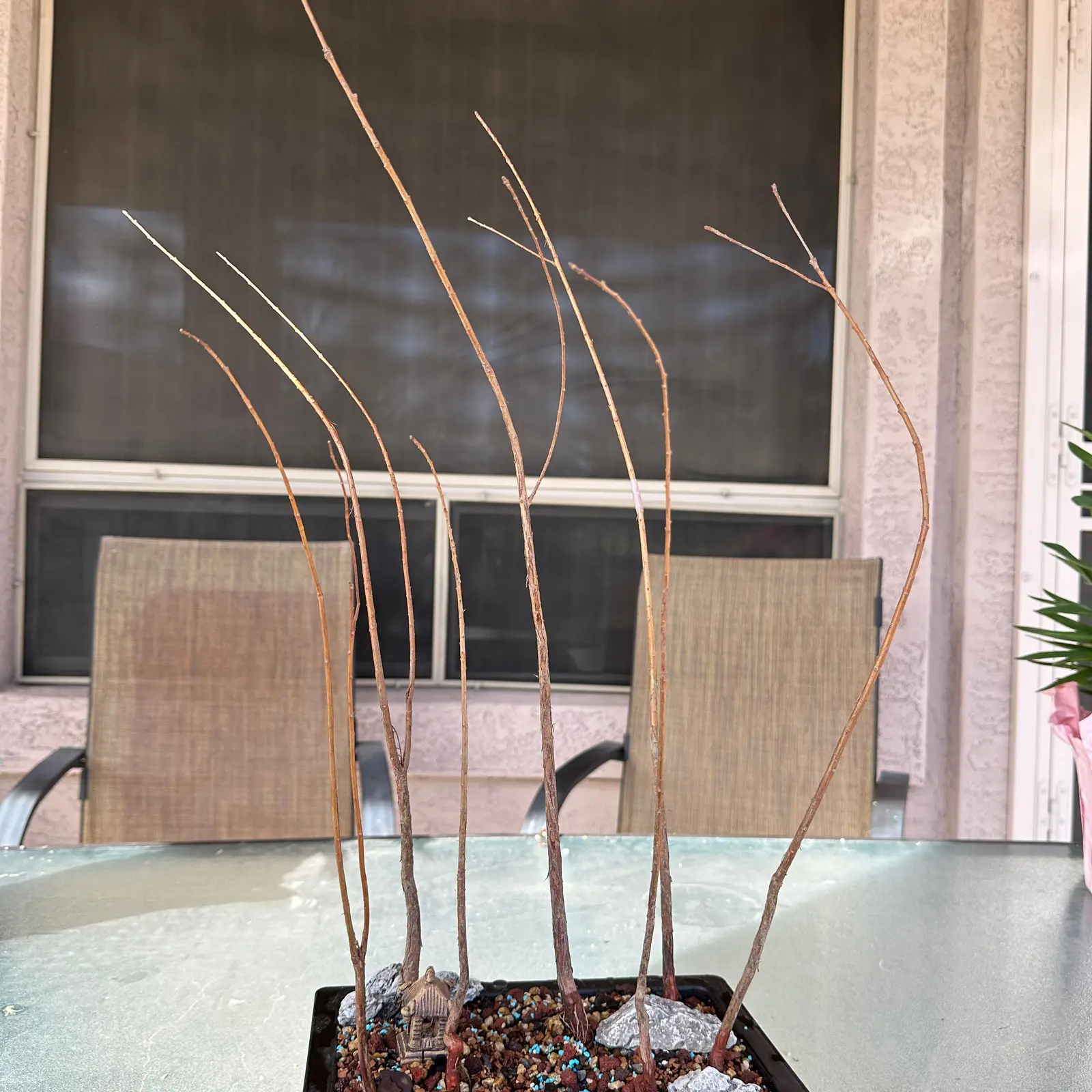
Bringing the Outside In: Indoor Light Requirements
🌞 Choosing the Right Spot
Finding the perfect spot for your Bald Cypress indoors is like setting up a bed in the sweet spot between the air conditioner and the heater. South-facing windows are your best bet, bathing your tree in that golden glow without frying its needles. If your windows are playing hard to get, placing your tree near any bright window should do the trick, as long as it's not getting roasted during lunchtime.
💡 Supplementing with Grow Lights
Grow lights are the indoor gardener's knight in shining armor when the sun just isn't enough. If your Bald Cypress is looking more like a sad Charlie Brown Christmas tree, it might be time to brighten up its life with some artificial rays. Just remember, you're not trying to signal Batman; keep the lights close enough for growth but far enough to avoid a crispy conifer.
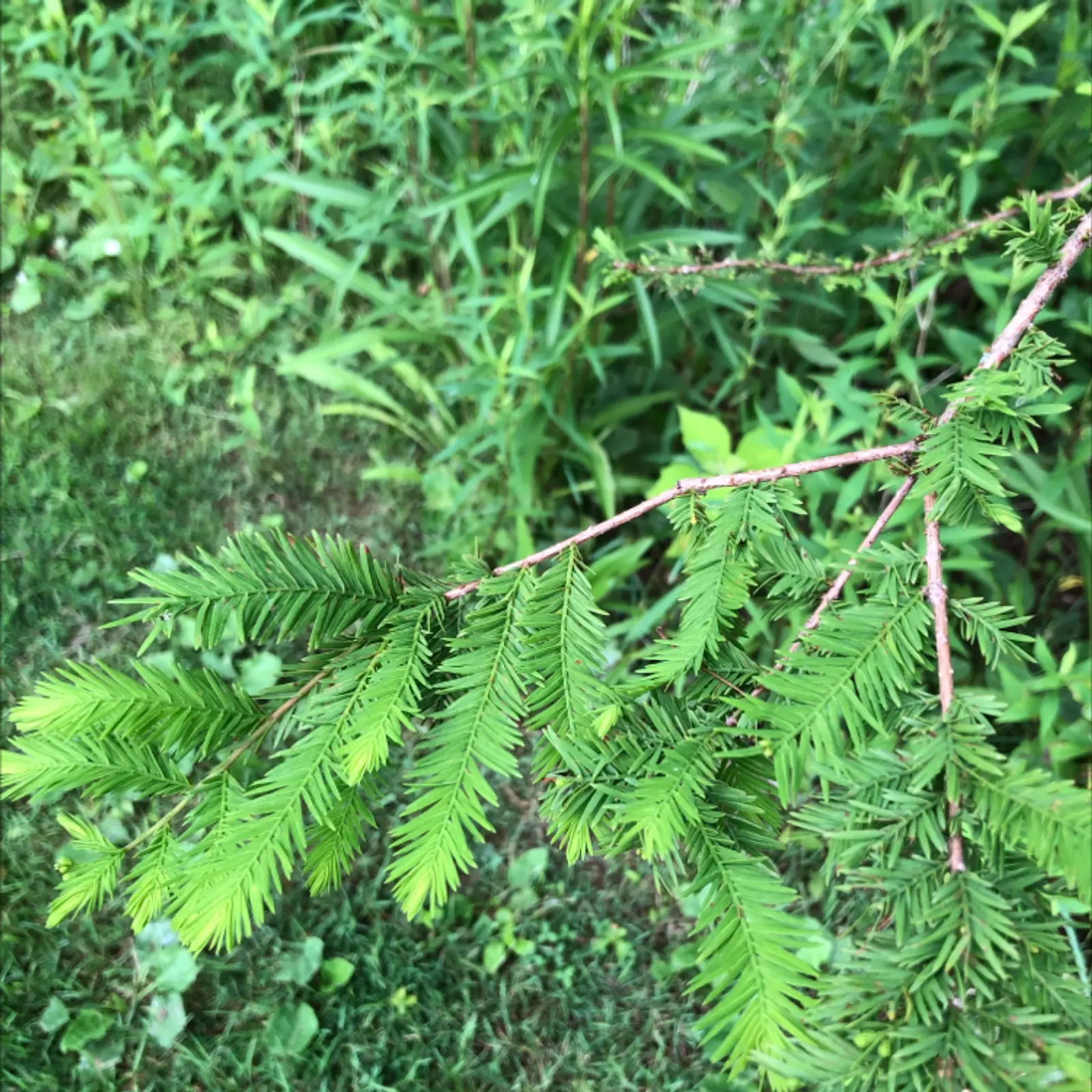
Seasonal Light Shifts: Adapting to Your Bald Cypress's Needs
🌸 Spring to Summer: Amping Up the Light
Spring marks the start of longer, brighter days. Your Bald Cypress is waking up, hungry for sunlight to kickstart its growth. Full sun is the name of the game here—aim for a spot where it can bask in direct light for most of the day. As summer approaches, keep an eye out for scorching heat waves. While Bald Cypress trees are sun worshippers, extreme heat can stress them out. Partial shade during the hottest part of the day can prevent your tree from getting a sunburn.
🍂 Fall to Winter: Dialing Down the Intensity
Come fall, your tree's light needs shift. Days get shorter, and the sun plays hard to get. This is your cue to reduce light exposure gradually. Your Bald Cypress is preparing to enter dormancy, a rest period where growth slows down. It's not just about less light; it's about the right kind of light—gentler, less intense. Winter care is straightforward: just let your tree chill. Check for snow damage occasionally, and if fall's been dry, a good watering in October will do wonders.
Remember, adapting to your Bald Cypress's light needs is like riding a seesaw—balance is key. Too much sun and your tree's leaves might throw a crispy tantrum. Too little, and you'll see a sluggish, stretching tree. Keep these shifts in mind, and your Bald Cypress will reward you with robust health and majestic beauty.

⚠️ Safety First
This content is for general information and may contain errors, omissions, or outdated details. It is not medical, veterinary advice, or an endorsement of therapeutic claims.
Always consult a qualified healthcare professional before using any plant as food, medicine, or supplement.
Never eat any plant (or feed one to pets) without confirming its identity with at least two trusted sources.
If you suspect poisoning, call Poison Control (800) 222-1222, the Pet Poison Helpline (800) 213-6680, or your local emergency service immediately.
Spotted an error? Please report it here.
Nurture your Bald Cypress to flourish 🌞 through the changing seasons with Greg's tailored reminders for perfect light placement and exposure.