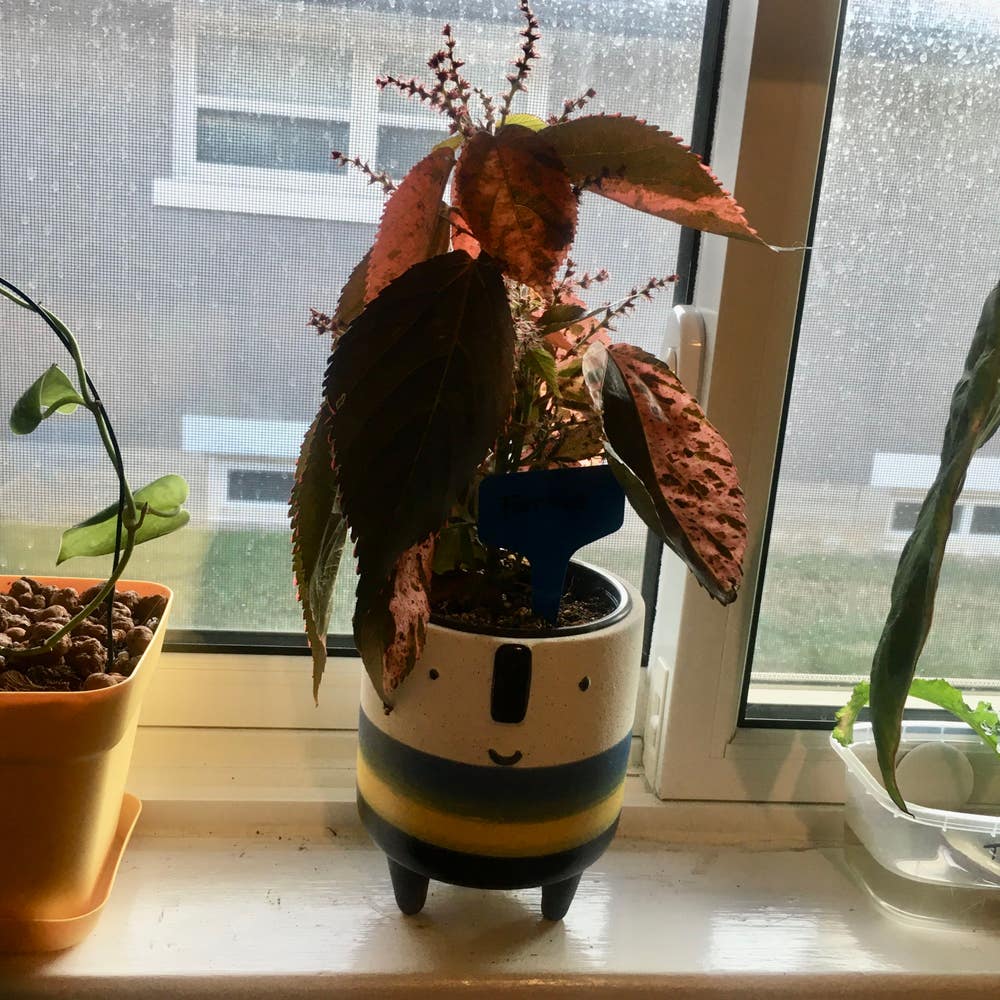
How to Cure Dropping Leaves on Your Acalypha chamaedrifolia
Acalypha chamaedrifolia
By the Greg Editorial Team
Jul 23, 2024•5 min read
This article was created with the help of AI so we can cover more plants for you. May contain errors. See one? Report it here.
Keep your Acalypha chamaedrifolia thriving with these expert care tips! 🌿💧
- 🌡️🌿 Maintain 65-75°F and 60-80% humidity for healthy Acalypha chamaedrifolia.
- 💧 Adjust watering to prevent water stress indicated by yellowing leaves or dry soil.
- 🐛 Combat pests and diseases with effective treatment and prevention for leaf health.
Optimal Growing Conditions
🌞 Light and Temperature
Acalypha chamaedrifolia flourishes under bright, direct light. Position it close to a window, but shield it from harsh midday sun to avoid scorching the leaves. The ideal temperature range to keep your plant healthy and prevent leaf drop is between 65-75°F (18-24°C). Consistency is key—avoid placing your plant in areas with drafts or fluctuating temperatures.
💧 Humidity Requirements
This tropical plant thrives in a humid environment. Aim for humidity levels between 60% to 80% to mimic its natural habitat. To achieve this:
- Use a humidifier nearby to increase moisture in the air.
- Place the plant on a tray filled with water and pebbles, ensuring the pot is not sitting in water.
- Group plants together to create a microclimate with higher humidity.
- Regularly mist the leaves, particularly if the air in your home is dry.
Watering Techniques
Recognizing Water Stress
🔍 Water stress in Acalypha chamaedrifolia manifests in several telltale signs. Overwatering often leads to yellowing leaves, a musty smell from the soil, and a wilting appearance despite moist soil, which could indicate root rot. On the flip side, underwatering results in leaves that are dry, crispy, and may curl or develop brown spots. A soil moisture check is a reliable method to diagnose water stress; if the top inch of soil feels dry, it's time to water, but if it's damp, hold off on watering.
Establishing a Watering Schedule
💧 Creating a consistent watering schedule is crucial for the health of your Acalypha chamaedrifolia. Here's how to get it right:
- Water deeply when the soil's top inch is dry, allowing moisture to reach the roots.
- Use room-temperature water to avoid shocking the plant.
- Adjust the frequency based on seasonal changes in light and temperature.
- Consider using a moisture meter to monitor soil conditions accurately.
- Set reminders to check the soil before watering to prevent overwatering.
- Ensure proper drainage to avoid waterlogging the roots.
Nutrient Balance
🌿 Identifying Deficiencies
Yellowing leaves on your Acalypha chamaedrifolia might be more than just a cosmetic issue; they're a cry for help. Nutrient deficiencies can cause leaves to drop prematurely, signaling an urgent need for a dietary change. Look out for these tell-tale signs:
- Yellowing or pale leaves often point to a nitrogen shortage.
- Brown leaf tips or edges could indicate a lack of potassium.
- Stunted growth or distorted new leaves might suggest a calcium deficit.
Remember, symptoms can overlap, so it's crucial to assess the whole plant before deciding on a course of action.
💧 Fertilization Practices
Choosing the right fertilizer for your Acalypha chamaedrifolia is like picking the perfect meal for a picky eater—it needs to be just right. Here's how to nourish your plant effectively:
- Opt for a balanced, water-soluble fertilizer with a mix of macronutrients (nitrogen, phosphorus, potassium) and essential micronutrients.
- Apply fertilizer according to the package instructions, typically during the growing season.
- Keep an eye on the plant's response; if symptoms persist, consider a soil test to fine-tune your approach.
Overfeeding can be as harmful as neglect, so moderation is key. Think of fertilization as a vitamin boost, not an all-you-can-eat buffet.
Pest and Disease Management
Common Culprits
🐛 Acalypha chamaedrifolia can fall prey to pests and diseases that cause its leaves to drop prematurely. Vigilance is key in spotting these issues early.
- Mealybugs, spider mites, and aphids are common pests that suck the sap from leaves, leading to yellowing and drop-off.
- Fungal infections, such as leaf spot and blight, manifest as discolored spots on leaves and can cause them to fall off.
Treatment and Prevention
⚔️ Effective treatment and prevention strategies are essential to maintain the health of your Acalypha chamaedrifolia.
- Remove affected leaves immediately to prevent the spread of disease.
- Improve air circulation and avoid overhead watering to keep leaves dry and reduce fungal spore spread.
- Apply insecticidal soap or a targeted organic pesticide for pest control.
- Integrate pest management (IPM) practices, including the use of natural predators and regular plant inspections.
- Maintain plant hygiene by cleaning tools and providing adequate spacing between plants to minimize disease transmission.
Maintenance and Monitoring
🕵️♀️ Routine Inspections
Routine inspections are like the pulse checks for your Acalypha chamaedrifolia. They're essential to catch early signs of distress that could lead to leaf drop. Here's what to look for:
- Browning tips or wilted leaves indicating stress or dehydration.
- Discoloration, leaf curling, or brown spots that may signal overwatering or pest issues.
Incorporate these checks into your weekly routine, and your plant will thank you with vibrant health.
✂️ Pruning and Cleaning
Pruning and cleaning are not just about keeping your plant looking good; they're vital for its well-being. Follow these best practices:
- Trim back damaged or diseased foliage to promote healthy growth and prevent energy drain.
- Clean the leaves with a damp cloth to boost photosynthesis and deter pests.
Remember, a clean plant is a happy plant. Keep those leaves dust-free, and you'll be preventing a multitude of potential problems.
⚠️ Safety First
This content is for general information and may contain errors, omissions, or outdated details. It is not medical, veterinary advice, or an endorsement of therapeutic claims.
Always consult a qualified healthcare professional before using any plant as food, medicine, or supplement.
Never eat any plant (or feed one to pets) without confirming its identity with at least two trusted sources.
If you suspect poisoning, call Poison Control (800) 222-1222, the Pet Poison Helpline (800) 213-6680, or your local emergency service immediately.
Spotted an error? Please report it here.
Banish leaf drop and keep your Acalypha chamaedrifolia thriving 🌿 with Greg's tailored reminders for light, water, and pest control, ensuring a lush, healthy plant.