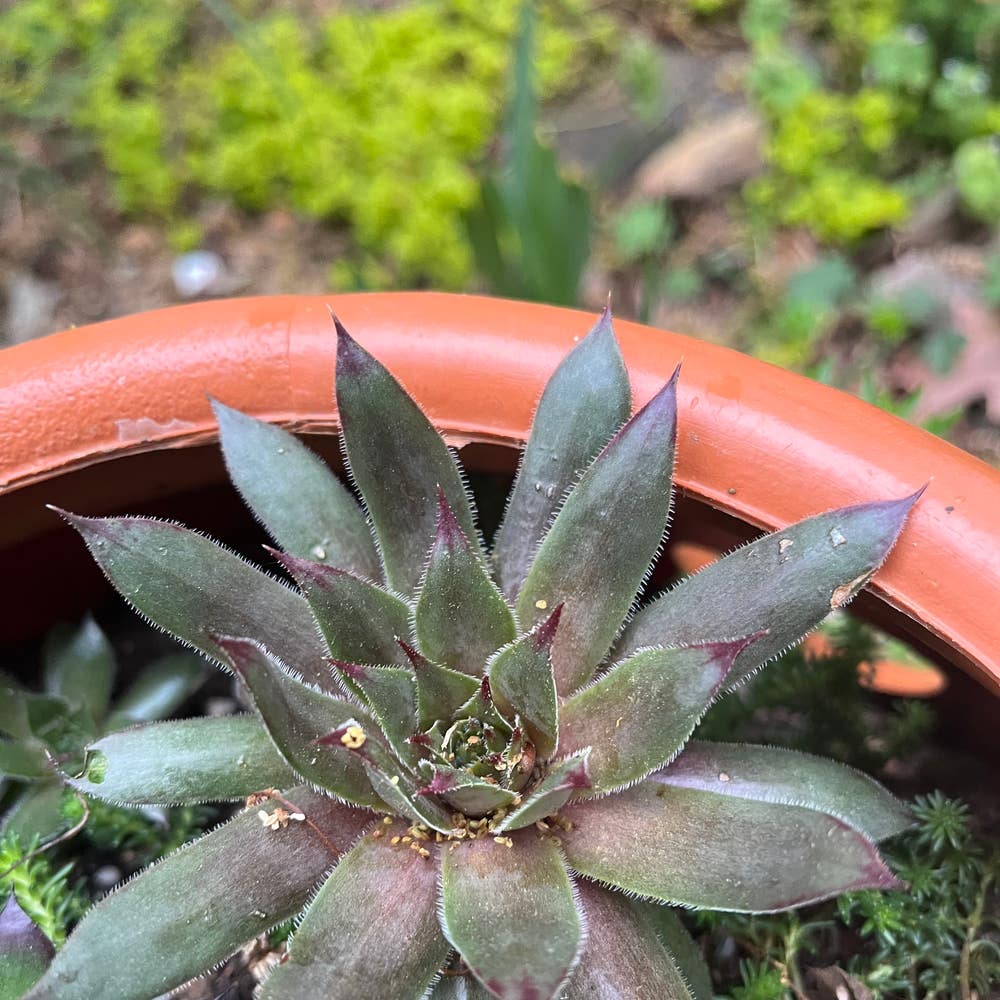
7 Ideal Locations to Plant Your Sedeveria 'Dark Elf' ⛏️
Sedeveria 'Dark Elf'
By the Greg Editorial Team
Sep 28, 2024•4 min read
This article was created with the help of AI so we can cover more plants for you. May contain errors. See one? Report it here.
Transform your Sedeveria 'Dark Elf' into a vibrant centerpiece with essential sunlight and soil tips! 🌱✨
- ☀️ Sedeveria 'Dark Elf' needs 6-8 hours of sunlight for vibrant growth.
- 🌱 Well-draining soil is crucial to prevent root rot and ensure health.
- 🌬️ Wind protection enhances growth; use barriers to shield from strong gusts.
Sunlight Exposure
Full Sun Requirements 🌞
For your Sedeveria 'Dark Elf' to truly thrive, it needs 6-8 hours of direct sunlight daily. This optimal exposure not only boosts its growth rate but also enhances the vibrancy of its stunning colors.
Partial Shade Tolerance 🌤️
While full sun is ideal, this resilient succulent can also thrive in partial shade, particularly in hotter climates. However, if you notice stretching or leggy growth along with faded colors, it might be a sign that your plant isn't getting enough light.
Understanding these sunlight needs is crucial for ensuring your Sedeveria flourishes. With the right conditions, you'll enjoy a lush, colorful display that brightens your space.
Next, let’s explore the best soil types to support your plant's growth.
Soil Type
Well-Draining Soil Preferences 🌊
For your Sedeveria 'Dark Elf' to thrive, it craves well-draining soil. Sandy or gritty soil mixes are ideal, as they allow excess water to escape, preventing root rot.
Good drainage is crucial for healthy growth. Without it, your plant may struggle, leading to stunted development or even death.
Soil pH Considerations ⚗️
The preferred pH range for Sedeveria 'Dark Elf' is between 6.0 and 7.0. This range ensures optimal nutrient uptake, allowing your plant to flourish.
Testing your soil's pH is straightforward. You can find simple kits at garden centers that make this task easy and quick.
Understanding these soil requirements will set you on the right path to cultivating a vibrant Sedeveria 'Dark Elf.' Next, let’s explore how to choose the best spot for your plant, considering its proximity to other plants and sunlight exposure.
Proximity to Other Plants
🌱 Companion Plants
When planting your Sedeveria 'Dark Elf', consider pairing it with other drought-resistant succulents like Echeveria and Agave. These companions not only enhance the visual appeal of your garden but also promote healthy growth through beneficial interactions.
🚫 Avoiding Overcrowding
To ensure your Sedeveria thrives, maintain a spacing of at least 12 inches between plants. This distance allows for adequate air circulation, reducing the risk of disease and competition for nutrients and water.
Overcrowding can lead to stunted growth and unhealthy plants. By giving each succulent room to breathe, you create a vibrant and flourishing garden space.
As you plan your garden layout, remember that thoughtful spacing and companion planting can significantly impact the health and aesthetics of your plants. Next, let's explore how to assess the best spot for your Sedeveria, focusing on sunlight patterns and seasonal changes.
Assessing the Best Spot
🌞 Evaluating Sunlight Patterns
Morning vs. Afternoon Sun
Morning sunlight is a game-changer for your Sedeveria 'Dark Elf.' This gentle light reduces heat stress, allowing your plant to thrive without the harshness of midday rays.
In contrast, afternoon sun can be intense. If you're in a particularly hot area, consider providing partial shade during these peak hours to protect your plant from potential damage.
🍂 Seasonal Changes in Light
As seasons shift, so does sunlight exposure. Keep an eye on how the light patterns change throughout the year to ensure your plant gets the right amount of sun.
Flexibility is key. Be ready to relocate your Sedeveria if you notice it's not getting enough light or if the conditions become too extreme. This adaptability can make all the difference in its growth and vibrancy.
Wind Protection and Drainage
🌬️ Importance of Wind Protection
Wind can be a silent enemy for your Sedeveria 'Dark Elf.' Strong gusts can damage leaves and disrupt their growth, making wind protection essential.
🛡️ Best Practices for Shielding from Strong Winds
To safeguard your plants, consider using natural barriers. Hedges or taller plants can effectively block wind, creating a more stable environment.
For additional protection, artificial barriers like fences or trellises work wonders. These structures can help shield your plants from harsh elements while adding visual interest to your garden.
🚰 Ensuring Proper Drainage
Proper drainage is crucial for the health of your Sedeveria. Without it, you risk root rot and other issues that can stunt growth.
Assessing Drainage in Potential Planting Spots
Look for signs of poor drainage in your garden. Puddles forming after rain or consistently waterlogged soil indicate trouble.
To test drainage, dig a hole and fill it with water. Observe how quickly the water absorbs; this will give you a clear idea of your soil's drainage capabilities.
🧪 Modifying Soil for Better Drainage
If you find your soil lacking, don’t worry—there are easy fixes. Adding perlite, sand, or gravel can significantly improve drainage.
Creating raised beds is another effective strategy. This method not only enhances drainage but also prevents water accumulation, ensuring your Sedeveria thrives.
With wind protection and proper drainage in place, your Sedeveria 'Dark Elf' will be well-equipped to flourish in its environment. Next, let’s explore how to assess the best spot for planting, focusing on sunlight patterns and seasonal changes.
⚠️ Safety First
This content is for general information and may contain errors, omissions, or outdated details. It is not medical, veterinary advice, or an endorsement of therapeutic claims.
Always consult a qualified healthcare professional before using any plant as food, medicine, or supplement.
Never eat any plant (or feed one to pets) without confirming its identity with at least two trusted sources.
If you suspect poisoning, call Poison Control (800) 222-1222, the Pet Poison Helpline (800) 213-6680, or your local emergency service immediately.
Spotted an error? Please report it here.
Cultivating a thriving Sedeveria 'Dark Elf' 🌱 is easy with Greg's tailored reminders for sunlight and soil care, ensuring your succulent gets the perfect conditions to flourish!