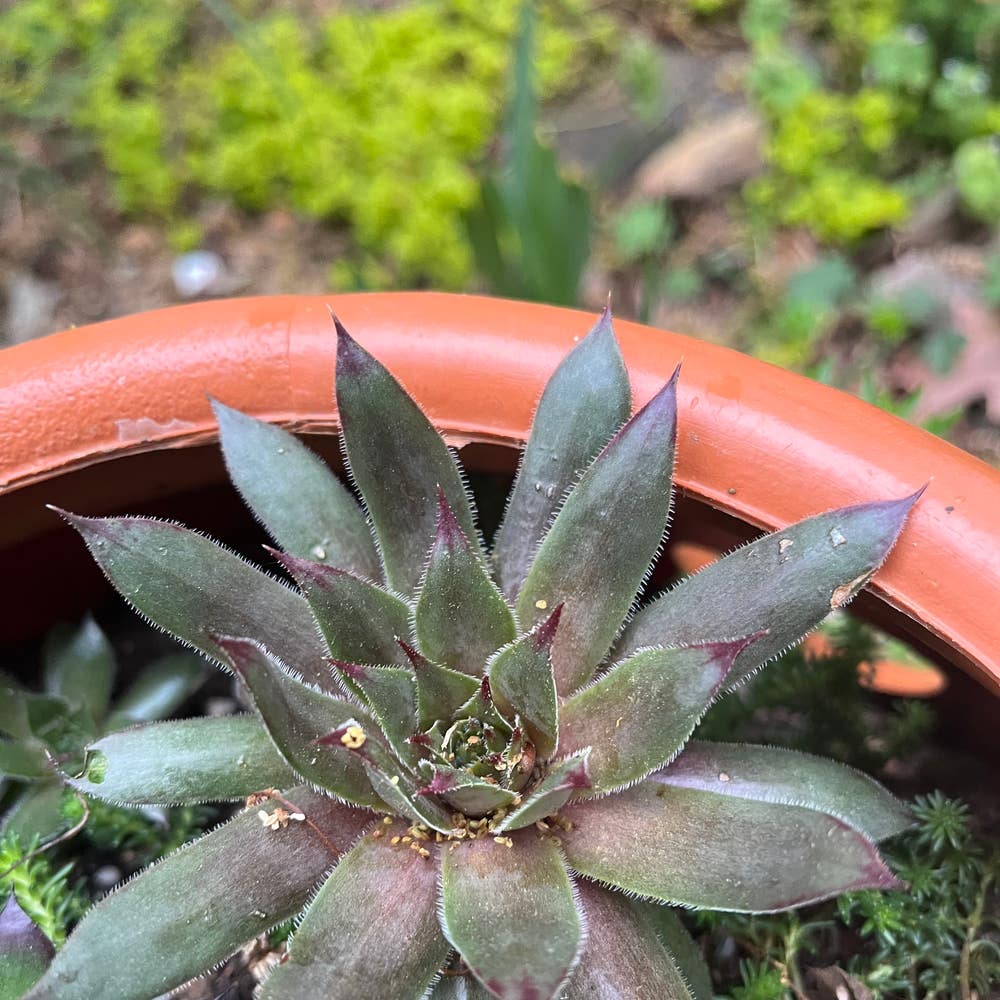
10 Outdoor Care Hacks for Sedeveria 'Dark Elf' 🧙♂️
Sedeveria 'Dark Elf'
By the Greg Editorial Team
Sep 28, 2024•6 min read
This article was created with the help of AI so we can cover more plants for you. May contain errors. See one? Report it here.
Cultivate a thriving Sedeveria 'Dark Elf' 🌱 with essential care tips for vibrant growth year-round!
- ☀️ Sedeveria 'Dark Elf' needs 6-8 hours of sunlight for optimal growth.
- 💧 Allow soil to dry completely between waterings to prevent yellowing leaves.
- 🌡️ Adjust care seasonally to protect against heat and frost for healthy plants.
Outdoor Care Essentials
🌞 Sunlight Needs and Optimal Light Conditions
Sedeveria 'Dark Elf' thrives in full sun, requiring 6 to 8 hours of direct sunlight daily. In extremely hot climates, it can tolerate partial shade, which helps prevent sunburn.
If your plant is stretching or exhibiting leggy growth, it’s a clear sign it’s not receiving enough light. Adjusting its position can make a world of difference.
💧 Watering Requirements and Frequency
For optimal health, allow the soil to dry completely between waterings. During the growing season, aim to water every 2 to 3 weeks, reducing frequency in winter.
Keep an eye out for yellowing leaves or mushy stems, as these are telltale signs of overwatering. Adjust your schedule accordingly to keep your plant thriving.
🌱 Soil Preferences and Composition
The ideal soil for Sedeveria 'Dark Elf' is a well-draining cactus or succulent mix. A slightly acidic to neutral pH, between 6.0 and 7.0, is best for promoting healthy growth.
Good drainage is crucial; it prevents root rot and ensures your plant can absorb nutrients effectively. Choose your soil wisely to set your plant up for success.
🌼 Fertilization Tips and Schedules
Fertilize your Sedeveria every 4 to 6 weeks during the growing season to keep it nourished. A balanced, diluted succulent fertilizer works wonders for promoting vibrant growth.
Watch for signs of nutrient deficiency, such as pale leaves or stunted growth. If you notice these issues, it may be time to adjust your fertilization routine.
These outdoor care essentials will help you cultivate a healthy and vibrant Sedeveria 'Dark Elf'. Next, let’s explore the best planting options for your space.
Planting Options
Benefits and Drawbacks of Container vs. Ground Planting 🌱
When it comes to planting Sedeveria 'Dark Elf', you have two primary options: container planting and ground planting.
Container Planting
Container planting offers several advantages. You gain mobility, allowing you to reposition your plants as needed. Plus, you have complete control over soil quality, ensuring optimal conditions for growth.
However, there are some drawbacks. Limited root space can restrict growth, and containers may experience temperature fluctuations, which can stress your plants.
Ground Planting
On the other hand, ground planting provides a more natural growth environment. Your plants can develop a larger root system, which often leads to healthier growth.
Yet, this method has its downsides. You have less control over soil quality, and your plants may be more vulnerable to pests and diseases.
How to Choose the Right Option for Your Space 🏡
Choosing the right planting option depends on several factors. Start by assessing the available sunlight and space in your garden.
Next, consider your local climate conditions and how they might affect your plants throughout the seasons.
Finally, evaluate your personal maintenance preferences. If you prefer low-maintenance options, ground planting may be ideal. Conversely, if you enjoy rearranging your garden, container planting could be the way to go.
With these considerations in mind, you can make an informed decision that best suits your gardening style and the needs of your Sedeveria 'Dark Elf'.
Weather Protection Strategies
🌞 Protecting from Extreme Heat
In scorching climates, providing afternoon shade is crucial for your Sedeveria 'Dark Elf.' This simple step helps prevent sunburn and keeps your plant thriving.
Using mulch is another effective strategy. It retains soil moisture and regulates temperature, creating a more stable environment for your succulent.
❄️ Protecting from Frost and Cold
When cold snaps hit, covering your plants with frost cloth can be a lifesaver. This protective layer shields them from harsh temperatures and helps maintain warmth.
For container plants, moving them indoors or to sheltered areas is essential. This not only protects them from frost but also ensures they stay cozy during chilly nights.
🌦️ Seasonal Care Adjustments Based on Climate
Monitoring local weather patterns allows for timely interventions. Being proactive can make a significant difference in your plant's health.
Adjusting watering and fertilization based on seasonal changes is equally important. Tailoring your care routine to the climate ensures your Sedeveria 'Dark Elf' remains vibrant and robust throughout the year.
With these strategies in place, your succulent will be well-equipped to handle whatever Mother Nature throws its way. Next, let’s dive into pest and disease management to keep your plant healthy and thriving.
Pest and Disease Management
Common Outdoor Pests 🐜
Outdoor plants, including Sedeveria 'Dark Elf', can attract a variety of pests.
- Aphids: Look for curled leaves and sticky residue, which indicate their presence.
- Mealybugs: These pests leave behind cotton-like masses on leaves and stems.
- Spider Mites: Fine webbing and stippled leaves are telltale signs of spider mite infestations.
Signs of Disease and Prevention 🚑
Keeping an eye on your plants can help catch diseases early.
- Root Rot: Symptoms include wilting and yellowing leaves, often due to overwatering.
- Fungal Infections: Dark spots on leaves or stems signal potential fungal issues.
- Prevention Strategies: Ensure proper watering and soil drainage to keep your plants healthy.
Organic Pest Control Methods 🌱
Using organic methods can effectively manage pests without harming your plants.
- Neem Oil: This natural remedy works against a variety of pests.
- Insecticidal Soap: Safe for succulents, it helps control pest populations.
- Encouraging Beneficial Insects: Attract ladybugs and lacewings to your garden for natural pest control.
By staying vigilant and employing these strategies, you can keep your Sedeveria 'Dark Elf' thriving. Next, let’s explore seasonal care considerations to ensure your plant remains healthy throughout the year.
Seasonal Care Considerations
🌱 Spring Care Tips
As spring arrives, it's time to kickstart your Sedeveria 'Dark Elf' care routine. Begin fertilization as growth resumes, using a balanced, diluted succulent fertilizer to promote vibrant new growth.
Inspect your plants for pests and diseases after their winter dormancy. Early detection is key to keeping your plants healthy and thriving.
☀️ Summer Care Tips and Heat Management
During the peak heat of summer, increase your watering frequency. Aim for every 2-3 weeks, ensuring the soil dries out completely between waterings.
Provide shade during extreme heat events to protect your plants from scorching sun. A little afternoon shade can go a long way in maintaining their health.
🍂 Fall Preparation for Winter
As temperatures begin to drop in fall, it's time to reduce your watering schedule. This helps prepare your Sedeveria for the cooler months ahead.
Don't forget to prepare for potential frost protection. Covering your plants or moving them to sheltered areas can prevent frost damage.
❄️ Winter Care and Protection Strategies
In winter, monitor your plants closely for signs of overwatering. The cooler temperatures can lead to slower growth, so adjust your watering accordingly.
Keep your Sedeveria dry and sheltered from harsh weather conditions. This will help them survive the winter and emerge strong in spring.
With these seasonal care tips, your Sedeveria 'Dark Elf' will flourish year-round, ready to tackle whatever Mother Nature throws its way. Next, let’s dive into pest and disease management to keep your plants in top shape!
⚠️ Safety First
This content is for general information and may contain errors, omissions, or outdated details. It is not medical, veterinary advice, or an endorsement of therapeutic claims.
Always consult a qualified healthcare professional before using any plant as food, medicine, or supplement.
Never eat any plant (or feed one to pets) without confirming its identity with at least two trusted sources.
If you suspect poisoning, call Poison Control (800) 222-1222, the Pet Poison Helpline (800) 213-6680, or your local emergency service immediately.
Spotted an error? Please report it here.
Keep your Sedeveria 'Dark Elf' thriving year-round 🌞 with Greg's tailored watering reminders and pest alerts to make plant care a breeze!