Is My Sedeveria 'Dark Elf' Getting Too Much Direct Sunlight? ☀️
Sedeveria 'Dark Elf'
By the Greg Editorial Team
Jun 18, 2024•5 min read
This article was created with the help of AI so we can cover more plants for you. May contain errors. See one? Report it here.
Shield your Sedeveria 'Dark Elf' from sun damage and maintain its lush beauty! 🛡️🌿
- 🌞 Sunburn, leaf damage, and fading indicate too much sun for Sedeveria 'Dark Elf'.
- Morning light is best; avoid intense midday sun to prevent leaf burn.
- Use sheer curtains and strategic positioning to shield from harsh rays.
Spotting the Signs: Is Your Sedeveria 'Dark Elf' Sun-Struck?
🌞 Telltale Symptoms of Too Much Sun
☀️ Sunburn and Leaf Damage
If your Sedeveria 'Dark Elf' looks like it's been in a tanning bed too long, sunburn may be the issue. Leaves may display brown or white spots, particularly where the light hits hardest. These spots are the plant equivalent of a nasty sunburn. Crispy, dry leaves are crying out for relief from the intense rays.
🎨 Discoloration and Fading
A Sedeveria 'Dark Elf' with faded colors is a Sedeveria in distress. Overexposure to sunlight can cause vibrant greens to wash out, leaving your plant looking more like a ghost of its former self. If the leaves are losing their rich, dark tones, it's a sign to dial back on the sunbathing.
When the Sun is Just Right
Ideal Sunlight Conditions for Vibrant Growth
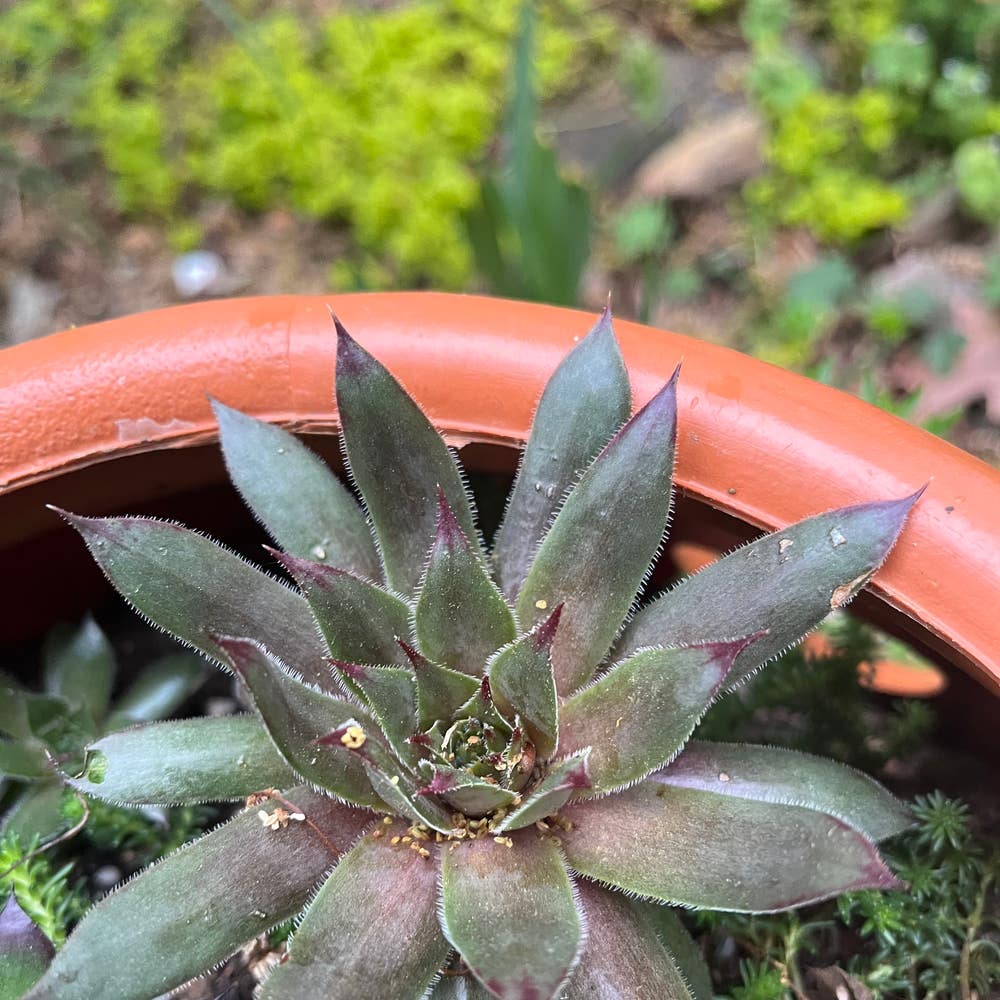
Your Sedeveria 'Dark Elf' thrives in bright, indirect light. When the sunlight is just right, you'll notice a plant that's robust, with leaves flaunting their characteristic dark hues. The plant should exhibit even growth without any signs of reaching or leaning desperately towards the light source.
Recognizing a Happy, Healthy Plant
A content Sedeveria 'Dark Elf' stands out with its spiraled rosettes and lush, colorful appearance. When the sunlight is balanced, the leaves won't show signs of distress like curling or wilting. Instead, they'll maintain their plump, hydrated look, and the soil will be dry to the touch between waterings. Keep an eye out for these signs of a plant that's basking in just the right amount of sunshine.

Sedeveria 'Dark Elf' and the Sunlight Balancing Act
🌅 Morning Bliss and Afternoon Chill
The best times for your Sedeveria 'Dark Elf' to soak up the sun are during the early hours. Morning light is gentle and nurturing, providing the warmth your plant craves without the harshness of later rays.
🕶️ The Perils of Midday Sun
Beware the midday sun; it's the archenemy of your 'Dark Elf'. This time of day can be brutal, with intense light and heat that can lead to leaf burn and wilting. It's the equivalent of stepping out without sunscreen at noon – a definite no-go.
🌞 Acclimatizing Your Plant to Sunlight
Introduce your 'Dark Elf' to sunnier spots gradually. Start with a spot that gets filtered morning light and slowly increase exposure. It's like easing into a hot bath, giving your plant time to adjust without the shock.

Windows and Hemispheres: Navigating the Sun's Path for Your 'Dark Elf'
🌞 Direction Matters: Window Placement Tips
North-facing windows are the introverts of the plant world, offering a low-key vibe with the gentlest light. Your Sedeveria 'Dark Elf' won't get overwhelmed here, making it a safe bet for consistent, indirect sunlight.
South-facing windows are the life of the party, soaking in rays all day long. In the Northern Hemisphere, they're the front-row seats to the sun's daily show. But watch out, they can turn into a sun trap, so you might need to pull back a bit to avoid sunburn.
East-facing windows serve up a breakfast of morning sun, then switch to a light diet of indirect light as the day goes on. It's a balanced choice for your 'Dark Elf' to enjoy a sun-kissed morning without the scorching afternoon sequel.
West-facing windows are the afternoon thrill-seekers, catching those intense PM rays. If your 'Dark Elf' is a bit of a sun worshipper, this might be its jam, but keep an eye out for signs of too much fun in the sun.
🌍 Hemisphere Hacks
Northern Hemisphere plant parents, remember: south-facing windows are your gold standard for sunlight. Position your 'Dark Elf' accordingly to avoid a sun-starved succulent.
Southern Hemisphere folks, flip the script: north-facing windows become the sun-drenched stages. But don't let your 'Dark Elf' get too carried away with the spotlight; it might need some shade to keep its cool.
Whether you're in Alaska or Australia, understanding your windows' orientation is key to keeping your Sedeveria 'Dark Elf' in its happy place. Keep an eye on the sky and adjust your plant's position with the seasons—your 'Dark Elf' will thank you with healthy growth and vibrant colors.

Shielding Your Sedeveria 'Dark Elf' from Too Much Sun
🎨 Creative Shading Techniques
Sheer Curtains and Blinds: Your Plant's Sunscreen
Sheer curtains are the MVP of plant sun protection. They soften harsh sunlight, letting your Sedeveria 'Dark Elf' bask without the burn. Think of them as a gentle filter, a barrier between your succulent and the sun's fiercest rays.
Strategic Plant Positioning: Avoiding the Sun's Peak Hours
Position your plant to dodge the sun's peak hours. Morning light? Yes, please. Afternoon blaze? Hard pass. It's all about location, location, location—find that sweet spot where the light is bright but not brutal.
🕵️ Monitoring and Adjusting
Keeping an Eye on Temperature and Light Changes
Stay vigilant. If your Sedeveria 'Dark Elf' starts looking like it's had a rough day at the beach, it's time to reassess its sunbathing habits. Rotate the pot to prevent uneven growth and consider a move away from the window if the heat is on the rise. It's a game of observation and subtle shifts, ensuring your plant gets its light without the fight.
⚠️ Safety First
This content is for general information and may contain errors, omissions, or outdated details. It is not medical, veterinary advice, or an endorsement of therapeutic claims.
Always consult a qualified healthcare professional before using any plant as food, medicine, or supplement.
Never eat any plant (or feed one to pets) without confirming its identity with at least two trusted sources.
If you suspect poisoning, call Poison Control (800) 222-1222, the Pet Poison Helpline (800) 213-6680, or your local emergency service immediately.
Spotted an error? Please report it here.
Keep your Sedeveria 'Dark Elf' thriving 🌿 with Greg's PlantVision, ensuring it gets just the right amount of sunlight without the guesswork.