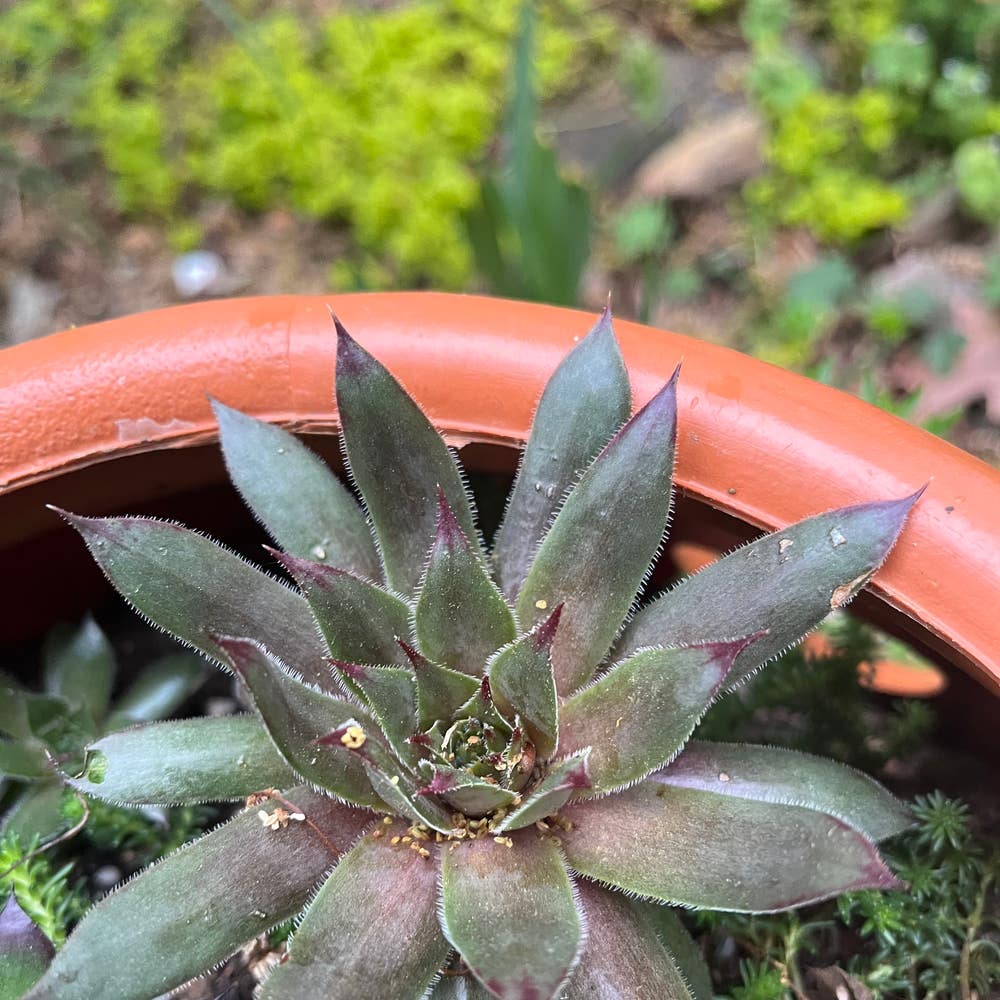
6 Tips for How to Plant Your Sedeveria 'Dark Elf' 🧚
Sedeveria 'Dark Elf'
By the Greg Editorial Team
Sep 28, 2024•4 min read
This article was created with the help of AI so we can cover more plants for you. May contain errors. See one? Report it here.
Elevate your garden with Sedeveria 'Dark Elf' 🌱 by mastering essential planting and care tips for vibrant growth!
- 🌱 Best time to plant Sedeveria 'Dark Elf' is spring or early summer for optimal growth.
- 🌞 Ensure at least 6 hours of sunlight daily for healthy Sedeveria development.
- 💧 Allow soil to dry completely between waterings to prevent root rot.
Planting New Sedeveria 'Dark Elf'
🌱 Optimal Timing for Planting
Spring or early summer is the best time to plant your Sedeveria 'Dark Elf.' During these months, temperatures are mild, aligning perfectly with the plant's active growth phase for optimal establishment.
🌿 Selecting the Right Soil Mix and Containers
For your Sedeveria, a well-draining cactus or succulent mix is highly recommended. Terracotta pots are ideal due to their breathability, but make sure they have drainage holes to prevent waterlogging.
📏 Proper Depth and Spacing for Planting
When planting, ensure the base of the rosette is level with the soil surface. Space your plants 6-12 inches apart to allow for growth and adequate airflow.
☀️ Maintaining Ideal Growing Conditions
Sedeveria thrives in full sun to partial shade, requiring at least 6 hours of sunlight daily. Watering should be done carefully; allow the soil to dry out completely between waterings to prevent root rot.
🌤️ Hardening Off Process Before Outdoor Planting
Before moving your Sedeveria outdoors, acclimatization is crucial. Start by introducing the plant to outdoor conditions for 1-2 hours, gradually increasing exposure over 7-10 days to help it adjust.
By following these steps, you'll set your Sedeveria 'Dark Elf' up for success. Next, let's explore how to transplant established plants for continued growth and vitality.
Transplanting Established Sedeveria 'Dark Elf'
🌱 Optimal Timing for Transplanting
Transplant your Sedeveria 'Dark Elf' in early spring or fall when temperatures are cooler. This timing aligns with the plant's growth cycle, allowing for better recovery and establishment.
🛠️ Step-by-Step Instructions for Transplanting
Removing the Plant from Its Current Location
- Water the plant a day before transplanting to reduce stress on the roots.
- Use a trowel to gently loosen the soil around the roots.
- Carefully lift the plant, ensuring minimal disturbance to the root system.
Preparing the New Planting Site
- Select a location with well-draining soil and plenty of sunlight.
- Amend the soil with sand or perlite to enhance drainage and promote healthy growth.
Ensuring Proper Placement and Spacing
Center the plant in the new hole, making sure the roots are spread out evenly. Maintain a spacing of 6-12 inches between plants to ensure good airflow and room for growth.
💧 Tips for Watering, Mulching, and Support
After transplanting, lightly water the plant but avoid overwatering, as this can lead to root rot.
Mulch with gravel or small stones to improve drainage and regulate temperature. If your plant is taller, consider using stakes for support until it establishes itself.
With these steps, your Sedeveria 'Dark Elf' will thrive in its new home, setting the stage for vibrant growth and beauty. Next, let’s explore how to troubleshoot common issues that may arise during this process.
Troubleshooting Common Issues
🌱 Identifying Transplant Shock
Transplant shock can be a real concern for your Sedeveria 'Dark Elf'. Look out for symptoms like wilting, yellowing leaves, and stunted growth, which indicate your plant is struggling.
The main culprits behind transplant shock are root disturbance and sudden environmental changes. Understanding these factors can help you mitigate their effects.
🛠️ Solutions for Establishment Problems
To combat establishment issues, focus on your watering practices. It's crucial to avoid soggy soil, as this can lead to root rot and other complications.
Additionally, keep an eye on light conditions. If your plant is getting too much or too little light, adjust its placement to ensure it thrives.
🌼 General Care Tips for Newly Planted or Transplanted Sedeveria 'Dark Elf'
Regularly check your Sedeveria for pests and diseases. Early detection can save your plant from serious issues down the line.
Maintain a consistent watering schedule based on environmental conditions. This will help your plant establish itself more effectively.
After about a month, consider using a succulent fertilizer to promote growth. This can give your Sedeveria the boost it needs to flourish in its new home.
With these tips in hand, you'll be well-equipped to nurture your Sedeveria 'Dark Elf' through its initial stages. Next, let’s explore how to ensure your plant continues to thrive long-term.
⚠️ Safety First
This content is for general information and may contain errors, omissions, or outdated details. It is not medical, veterinary advice, or an endorsement of therapeutic claims.
Always consult a qualified healthcare professional before using any plant as food, medicine, or supplement.
Never eat any plant (or feed one to pets) without confirming its identity with at least two trusted sources.
If you suspect poisoning, call Poison Control (800) 222-1222, the Pet Poison Helpline (800) 213-6680, or your local emergency service immediately.
Spotted an error? Please report it here.
Plant your Sedeveria 'Dark Elf' with confidence 🌟 by using Greg's tailored watering alerts and expert tips to ensure it flourishes in its new home!